Last updated November 21, 2026
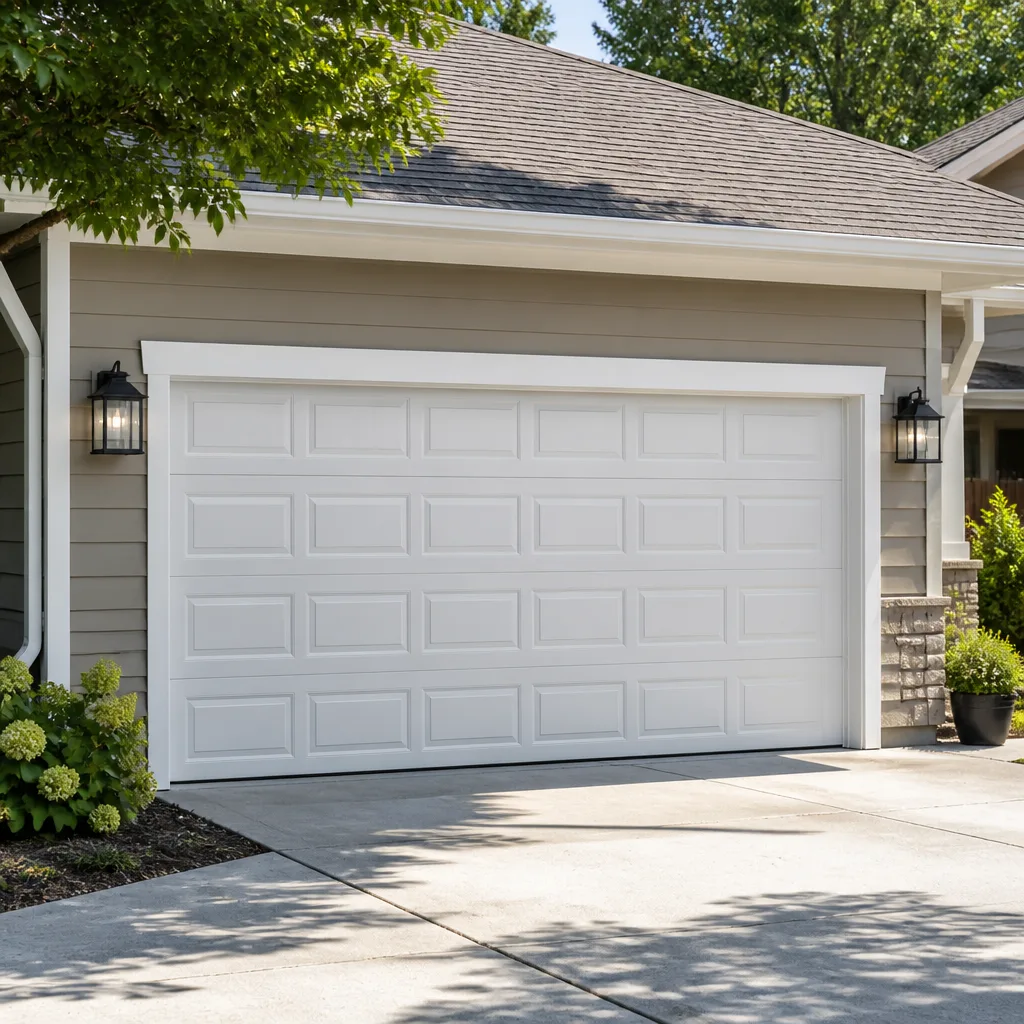 Raised-panel steel
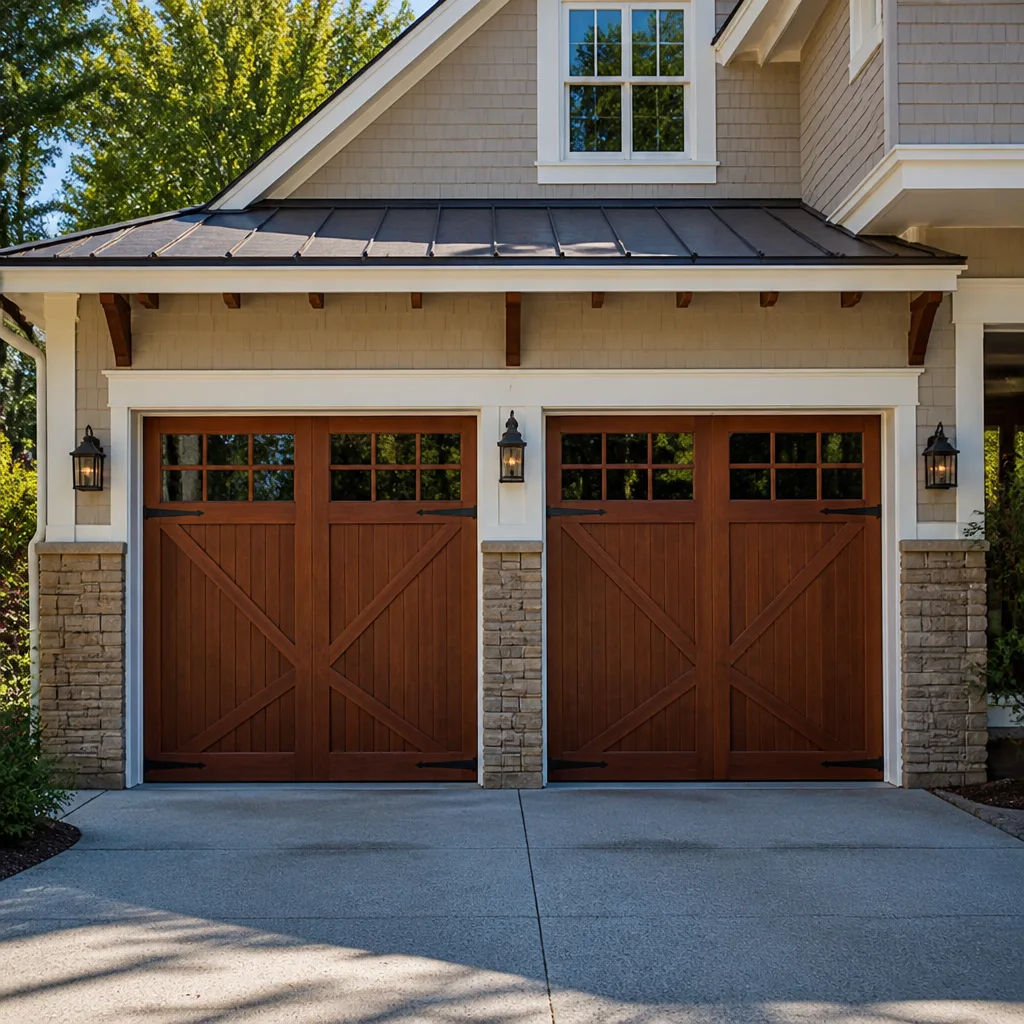 Carriage house
 Modern flush
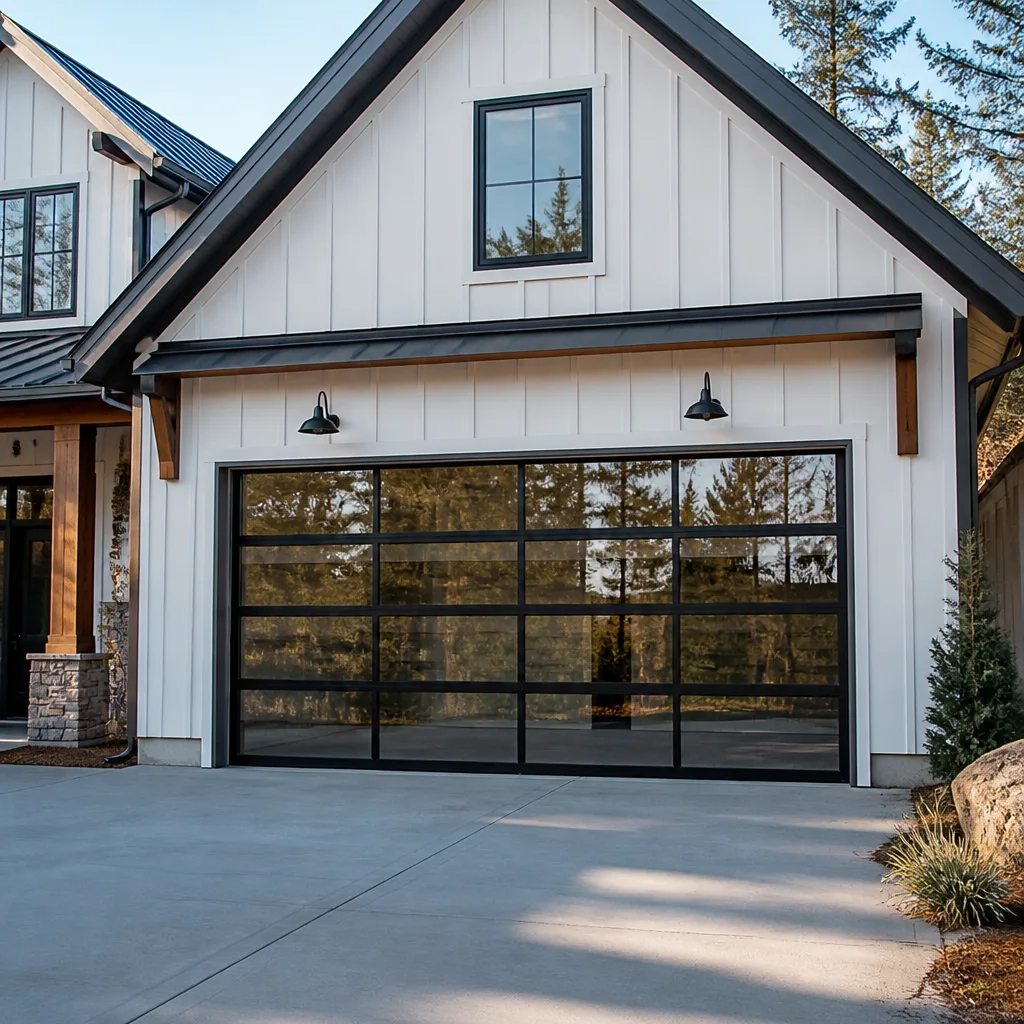 Full-view glass
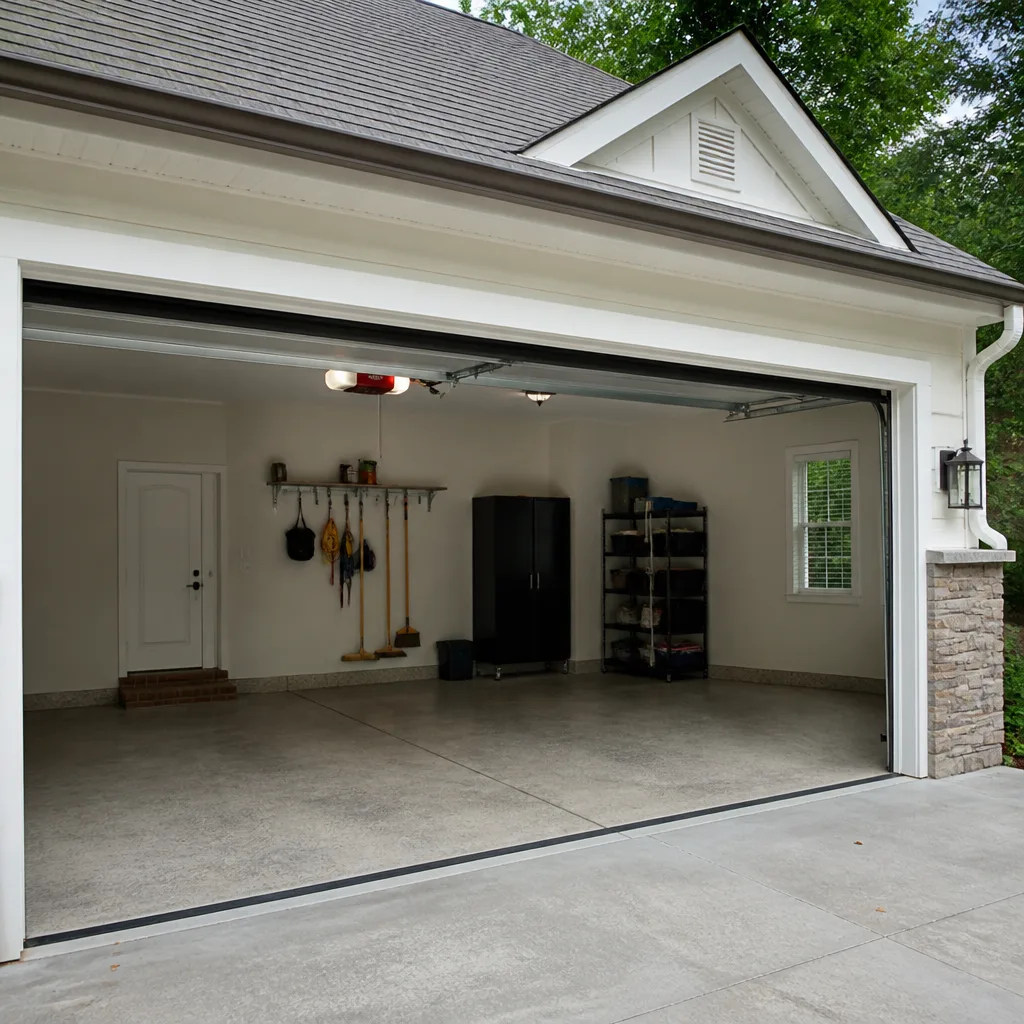 LiftMaster openers
 Chamberlain openers
Full 25-point door and opener safety check with every visit - springs, cables, rollers, tracks, and your LiftMaster or Chamberlain opener included
You get a price before we start. It does not change when the pro arrives.
Get your free estimateGarage Door Repair Maintenance Checklist for Kempsville Homeowners
The number-one cause of premature garage door failure isn’t a broken part. It’s deferred lubrication and tension drift that compound quietly until something snaps. A 20-minute routine, run twice a year, eliminates the majority of emergency service calls we hear about in Kempsville. What follows is a maintenance guide that’s task-specific and tool-specific, and honest about which steps you can actually do yourself versus which ones need a technician. You’ll learn the exact lubrication points (and why WD-40 is the wrong answer for most of them), how to run a balance test that tells you what’s happening to your opener motor, a no-tools inspection sequence, and a simple record format that helps any technician diagnose faster if something does go wrong.
Quick Answer
A garage door maintenance checklist in Kempsville should cover lubrication of springs, hinges, rollers and tracks twice a year, a balance and safety-reverse test, a visual inspection of the bottom seal, weatherstripping and cables, and a written log of what you checked. Skip the spring, cable and torsion adjustments: those are the dangerous parts of the system and belong to a trained technician.
Styles & brands we work with
- Raised-panel steel
- Carriage house
- Modern flush
- Full-view glass
- LiftMaster openers
- Chamberlain openers
Table of Contents
- Why Twice a Year Matters in Kempsville
- The Exact Lubrication Points (and the Right Products)
- How to Run a Balance Test
- Testing the Safety Reverse Feature
- A No-Tools Visual Inspection Sequence
- What to Log Each Time You Do Maintenance
- Which Items You Should Never Do Yourself
- When to Call a Professional
Why Twice a Year Matters in Kempsville
Kempsville’s climate swings between humid summer stretches and cold snaps, and that matters for a garage door more than most homeowners realize. A wooden or composite door absorbs moisture in the muggy months and contracts when the air dries out. Metal components expand and contract with temperature changes. A steel door on a house near the Kempsville Historic District may sit under summer heat that softens seals and thins lubricant more quickly than a door on a shaded lot in a nearby neighborhood.
That cycle of expansion and contraction does two things. First, it lets fasteners loosen. Second, it changes the tension in the counterbalance system just enough that the opener begins working harder than it should. The motor doesn’t complain loudly. It just ages faster. By the time a homeowner notices a problem, a spring is often on the edge of failing or an opener gear set has worn unevenly.
Twice-yearly attention, usually in spring and fall, catches both issues. It’s also when most garage door manufacturers expect you to do their recommended checks, which matters for keeping a warranty intact on a Clopay or Amarr door. A garage door is one of the few home systems your car depends on every single day, and it carries more load than its quiet operation suggests.
- Spring check: humidity loosens lubricant faster; reapply at the start of the season
- Fall check: pre-winter inspection of seals and cables before cold air moves in
- Post-storm check: after any wind event, re-check alignment and hardware
The Exact Lubrication Points (and the Right Products)
Most garage door maintenance failures happen at the lubrication stage, and they happen for two reasons: homeowners lubricate the wrong parts, or they use the wrong product. WD-40 as a general-purpose spray is the most common mistake. It’s a light solvent that displaces moisture, not a lasting lubricant. Applied to hinges and rollers, it attracts grit and leaves moving parts drier than before. Over a season, that grit acts like sandpaper.
Here’s the right product and the exact steps, in order. Use a lithium-based or garage-door-specific silicone lubricant, not WD-40.
- Hinges. A light spray on each hinge pivot point. Work the hinge by hand after applying so the lubricant disperses. Do this twice a year.
- Rollers. If your rollers are nylon, skip them. If they’re metal, one drop of lubricant per roller stem is plenty. Metal rollers need this every six months.
- Springs. This is the point most homeowners get wrong. Springs under tension should be wiped or lightly sprayed along the coil, never handled. Do this with the door fully down and the torsion bar released, and only if you’re comfortable. When in doubt, have a technician do it.
- Track. Wipe the inside of each vertical track with a dry cloth. Don’t lubricate the track itself; it collects dust and clogs the rollers.
- Lock and latch. A few drops of lubricant on the moving parts, once a year.
In Kempsville, the humidity piece is worth repeating. A light coat applied in spring may need a touch-up five months later, not because the product failed but because moisture and use wear it down. That’s the rhythm the climate sets. A general garage door repair call is often just a maintenance appointment that was skipped too long.
How to Run a Balance Test
A balance test tells you whether the springs, cables and door weight are still in agreement. A door that’s “close enough” is silently burning through your opener’s motor. Here’s why: when the counterbalance is off, the motor has to make up the difference, and every open and close pulls harder on the gear set, drive belt and logic board. A door that needs slight help from the opener all day, every day, shortens the life of that opener substantially.
The test takes under a minute and requires no tools. Follow this sequence exactly.
- Disconnect the opener from the door. On most openers, pull the red release handle down and back. This frees the door.
- Raise the door to about waist height by hand.
- Let go.
- If the door stays put, the door is balanced. If it drifts down or up, the springs are out of adjustment or failing.
A door that drifts a few inches either direction needs a technician’s attention. Don’t attempt to adjust the springs yourself. Those springs are under significant tension and the most dangerous component in the entire garage door system. We’ve seen a spring slip and cause serious injury in Kempsville, and it’s the reason we offer spring repair as a standalone service. A balance test isn’t a repair instruction, it’s a diagnostic: it tells you what to tell your technician.
Testing the Safety Reverse Feature
Every modern garage door opener has two safety features: a mechanical reverse when the door meets an obstruction, and an optical sensor (the two small units near the floor on either side of the opening) that stops the door when the beam is broken. These are the last line of defense against injury, and they should be tested monthly if someone parks in the garage or a child uses the space.
Testing the optical sensor is simple. With the door open and the opener engaged, wave a hand through the beam. The door should either reverse or refuse to close. Test the mechanical reverse by placing a 1.5-inch block of wood flat on the floor in the door’s path and closing the door with the wall control or remote. The door should contact the block and reverse within a couple of seconds. If it doesn’t, the opener’s travel limits are wrong and need adjustment.
That’s usually a job for a technician unless you have the manual for your specific opener. If you’re on a Craftsman or a LiftMaster, the adjustment is doable, but the manual is essential, and the wrong adjustment makes the door less safe. A proper garage door opener repair visit includes this test anyway, and it’s one reason we recommend a professional look at least once a year even if you handle the rest of the checklist.
A No-Tools Visual Inspection Sequence
You can do a meaningful inspection of any door in about five minutes with nothing more than your eyes. Walk through this sequence in order, every time you do the twice-yearly routine. The order matters because problems earlier in the sequence often cause damage visible later in the sequence.
- Weatherstripping. The rubber or vinyl strips around the sides and top of the door. Look for cracks, missing pieces, gaps at the corners. Feel along the perimeter with your hand; a breeze coming through means it’s failing.
- Bottom seal. The rubber strip along the bottom edge. Lay on the floor and look under a closed door. Any daylight means the seal has compressed or broken. That’s the piece that keeps weather and pests out and reduces energy loss.
- Cables. Look at the two cables running down either side of the door. You’re looking for fraying (fuzzy spots), kinks or rust. A frayed cable can snap. Stop using the door and call a technician if you see one.
- Rollers. Look for flat spots, chips or wobble as the door moves. Worn rollers are a common cause of a noisy or uneven door.
- Track. Check for bent sections or debris. Note any screws sitting loose.
- Frame and panels. Check for wood rot around the frame and any panel damage. A Clopay or Amarr steel panel should look even; dents and rust spots are worth photographing.
If anything on this list looks off, note it in your log along with the date. A technician who has your record can diagnose much faster than one walking in cold.
What to Log Each Time You Do Maintenance
A diagnostic record is the single most useful thing a homeowner can keep about their garage door. It takes five minutes to fill out and saves a technician hours of guessing. Keep a small notebook or a note in your phone; the format below works whether you own a Wayne Dalton, a Craftsman or an older wood door.
- Date and season. Summer, fall, spring or winter.
- Balance test result. “Stays put”, “drifts down 4 inches”, “drifts up 2 inches”.
- Safety tests. “Optical sensor passes”, “Mechanical reverse passes”, or note a failure.
- Lubrication completed. Which parts got lubricant, which product used.
- Visible damage. Cables frayed? Rollers worn? Seal cracked? Note the location.
- Noise notes. Grinding, squeaking or rattling, and when it happens.
- Opener behavior. Any hesitation, missed openings, or blinking lights on the opener.
Snap a photo of each check on your phone. If a spring starts to go, the difference between a two-day repair and a two-week one is usually whether the homeowner has noticed a symptom early. Fast, accurate diagnosis is what we aim for, and a homeowner’s log is the best starting point we can get.
Which Items You Should Never Do Yourself
This is the part of the checklist most guides leave out. Several garage door maintenance tasks are safe for a homeowner, and several are not. These are the dangerous ones: if the item appears here, stop and call.
- Torsion spring adjustment. The spring is under significant tension. Even small adjustments require the right winding bars and a technician who knows the safe sequence. A spring can slip with serious injury as the result.
- Extension spring replacement. Same rule. Not a homeowner task.
- Cable replacement. Cables are under tension every time the door cycles. Replacing or adjusting them incorrectly can cause the door to fall.
- Panel replacement on a sectional door. Wrong panel alignment can compromise the whole door’s structure and void the manufacturer’s warranty.
- Opener electrical work. Wiring an opener to your home’s electrical panel requires a licensed electrician in most jurisdictions. Don’t attempt it.
- Track and hinge realignment after impact. A door that’s been hit or shifted needs a technician to inspect the whole door framing.
If you’re unsure whether a task is in your territory, the answer is that it’s not. We’ve spent years handling the parts of this job that demand specialized training and tools, and we’d rather tell you to stop than have you take a risk. Springs are the most dangerous component in your garage door system. Here’s how we handle them safely: our technicians arrive with the correct tools, follow a defined sequence and test the whole door after the repair.
Some repairs are pulled forward by wear, not by a breakdown. If your inspection finds a bottom seal that’s dried out, a roller that’s flat, or hinges that have gone noisy even after lubrication, those are still homeowner or technician jobs depending on your comfort. A general maintenance visit will handle them at the same time. Our garage door repair service covers both scheduled maintenance and mid-cycle issues so you’re not coordinating between a handyman and a door specialist.
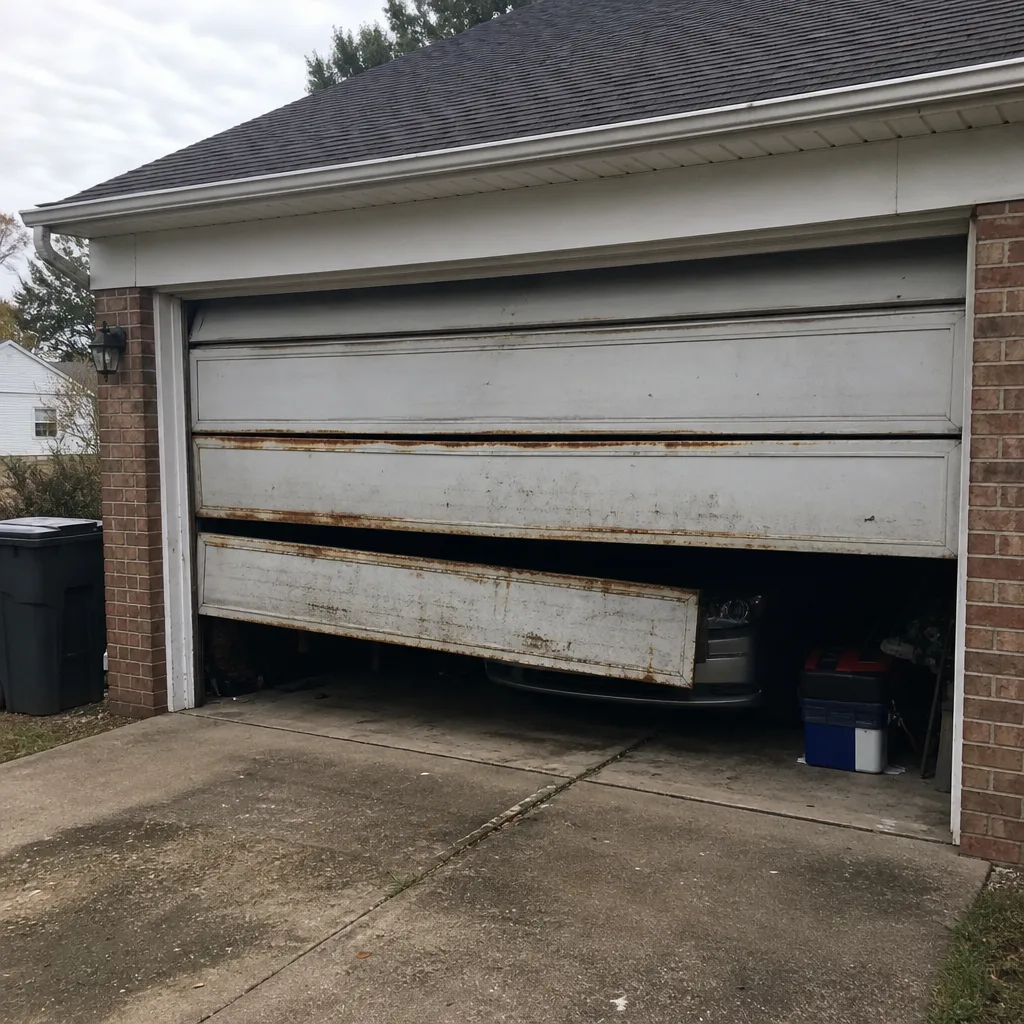
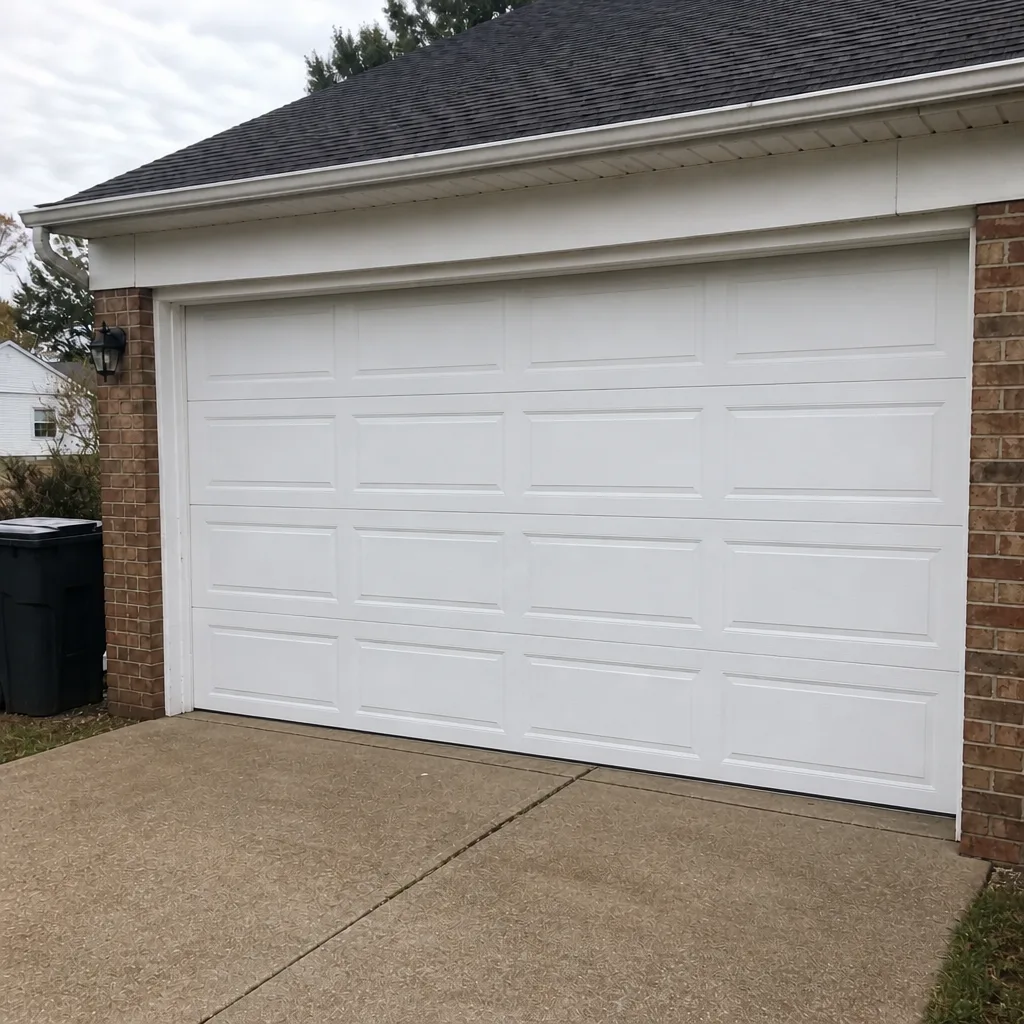
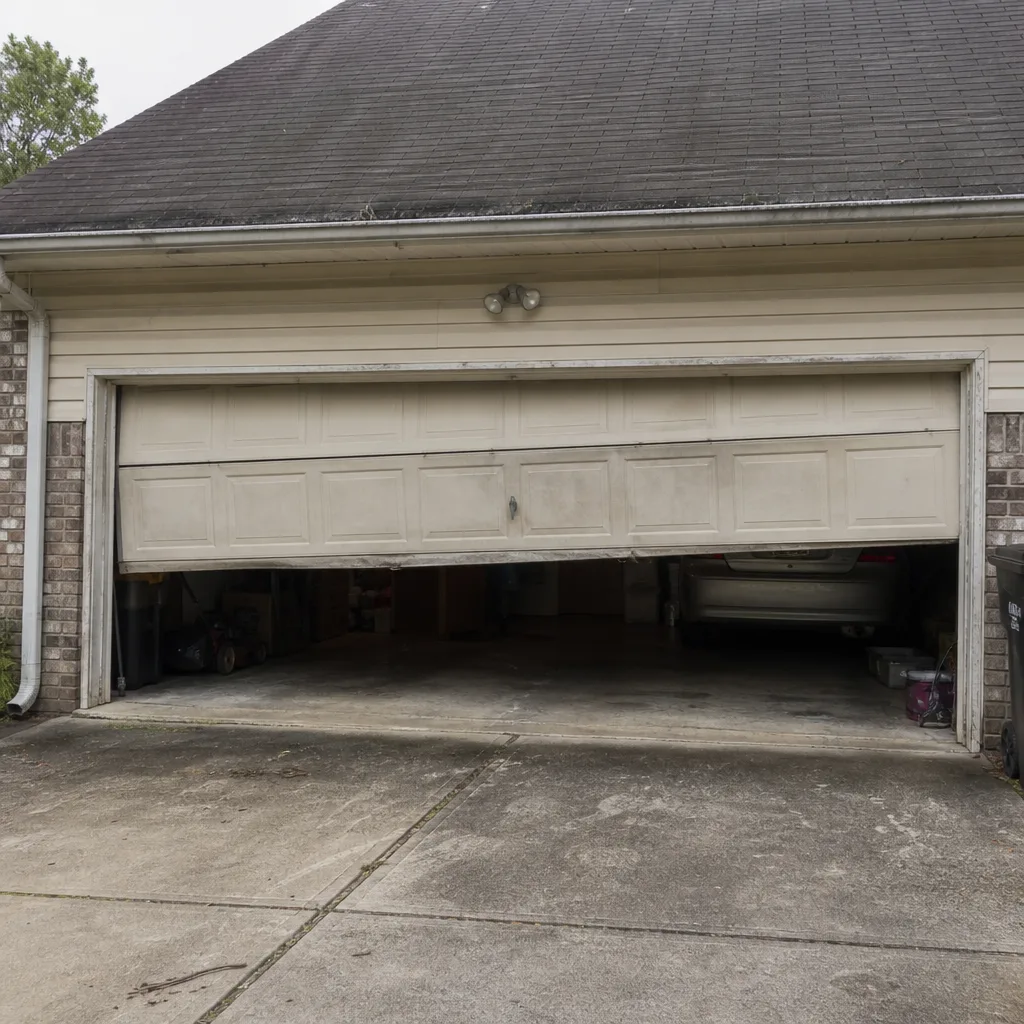
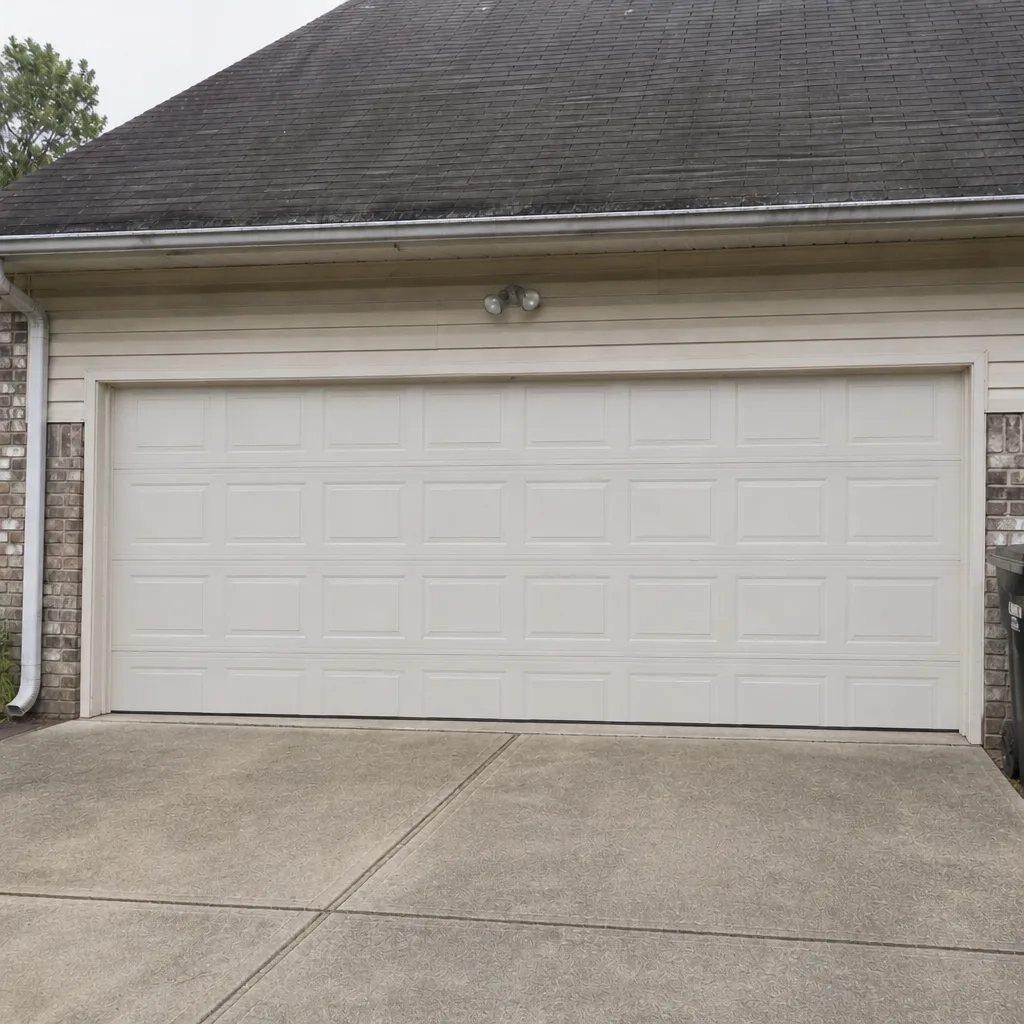
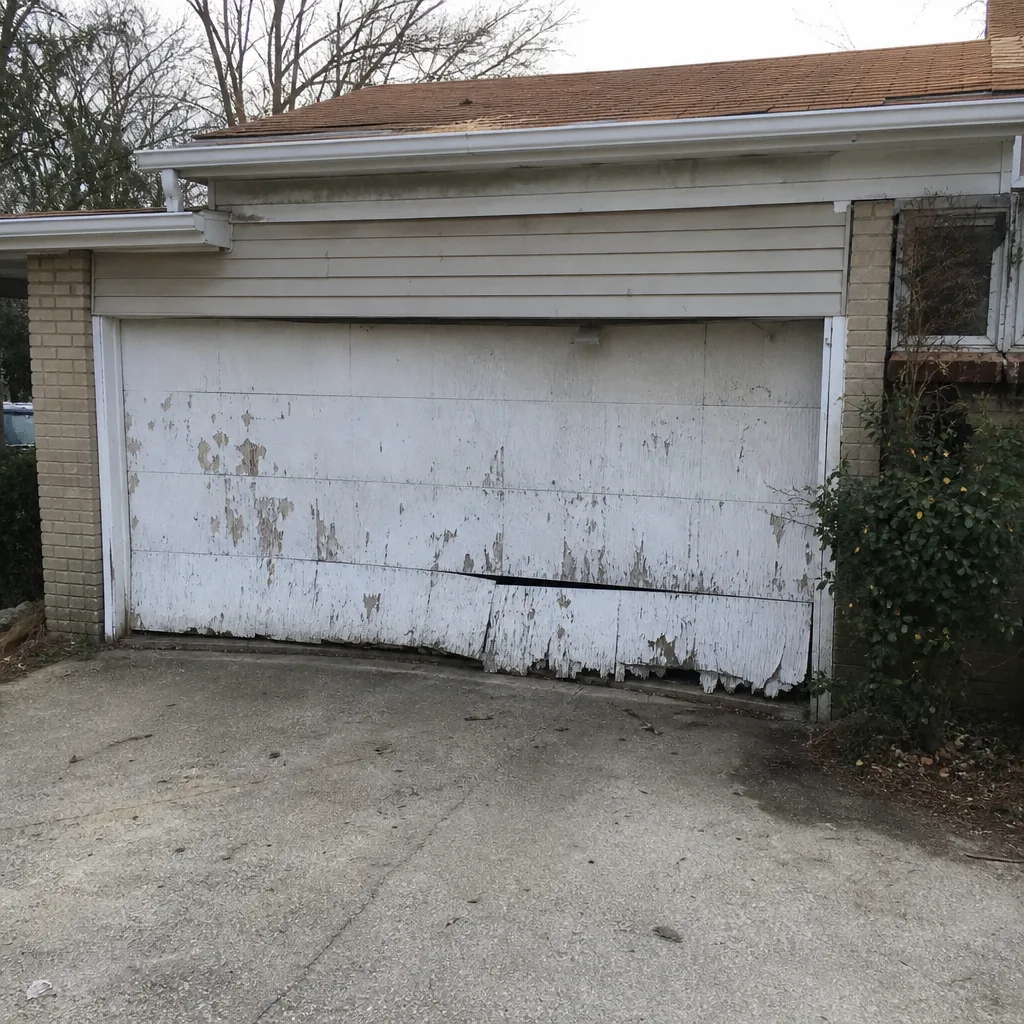
See the difference
 Before
 After
 Before
 After
 Before
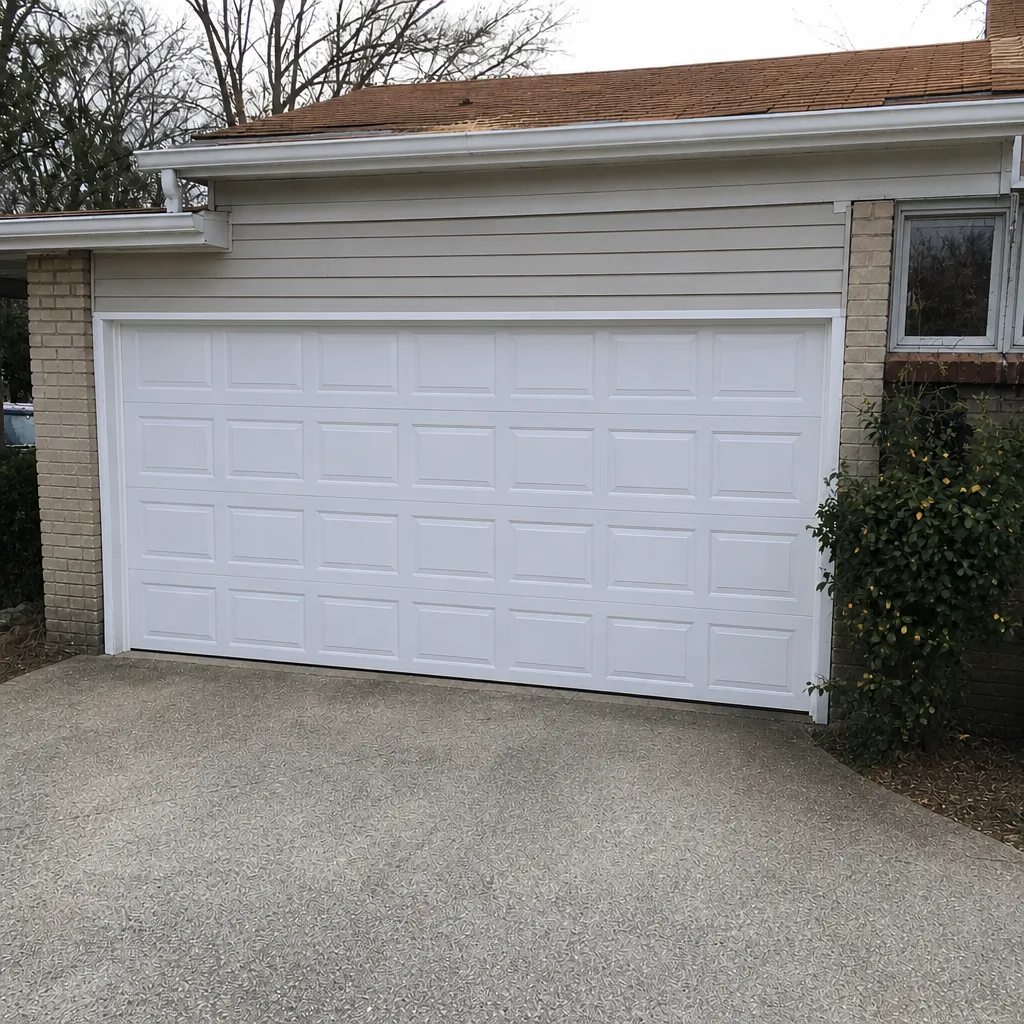 After
Common Mistakes to Avoid
- Using WD-40 on hinges and rollers. It’s the most common substitution and the worst for moving parts. It’s a solvent, not a lasting lubricant, and attracts grit over time. Use a lithium or silicone product instead.
- Skipping the balance test because the door “seems fine”. A door that drifts slightly calls on the opener motor continuously, which shortens its life. In a humid Kempsville summer, that drift can progress faster than you’d expect.
- Spraying lubricant on the track. It seems logical. It isn’t. Oil and dust collect in the track and bind the rollers. Wipe the track clean with a dry cloth instead.
- Ignoring frayed cables until they snap. A frayed cable is not a “wait and see” item. It’s a stop-use-the-door item and a call-a-technician item.
- Adjusting the springs to “fix” an unbalanced door. This is the mistake that leads to injury. Spring tension is not a homeowner adjustment.
- Never logging anything. When a technician arrives, a homeowner with a written record gets a faster, cheaper diagnosis than one describing a sound from memory. Write it down.
- Bypassing the safety reverse because the door “closes fine”. A door that closes on a toy, a pet or a child because the reverse failed is a real hazard. Test monthly, call when it fails.
When to Call a Professional
Call a professional any time your balance test fails, your safety reverse test fails, you see a frayed or kinked cable, or your door has taken an impact from a car or storm. Also call if a spring is visibly broken, if the door won’t open or close at all, or if the opener is making a grinding noise or operating intermittently. These are the conditions where further DIY effort creates risk. In our experience, homeowners who’ve been running the checklist catch most things early, and the call becomes a scheduled maintenance visit rather than an emergency.
Garage Door Repair Kempsville offers free estimates in Kempsville – call (844) 697-8393. We work with the door and opener you already have, including Clopay, Amarr, Wayne Dalton and Craftsman systems, and we can handle a full garage door installation if the door has reached the end of its life. Our technicians have up to 8 years of experience, and they’ll quote a price before any work starts.
Frequently Asked Questions
Twice a year is the standard recommendation, typically in spring and fall. In Kempsville’s humid summers, a mid-season touch-up on hinges and rollers is often worthwhile. Use a lithium or silicone product, not WD-40.
No. Garage door springs are under significant tension and are the most dangerous component in the system. Adjustment requires the correct tools, a defined sequence and training. Call a technician for any spring work.
Disconnect the opener, raise the door to waist height, and let go. A balanced door stays put. A door that drifts up or down is out of balance and needs a technician’s inspection. The result is a diagnostic, not a repair instruction.
Log the date, season, balance test result, safety test result, what you lubricated, any visible damage and any new noise. Photos help. A written record lets a technician diagnose faster when something goes wrong.
Yes on most name-brand doors. Clopay, Amarr and other major manufacturers typically expect documented maintenance. Keep your log: it supports warranty claims if the door fails prematurely.
Check the opener’s power and the red release handle first. If the opener runs but the door doesn’t move, or the door is stuck, don’t force it. That’s a call-in situation: a technician diagnoses it in minutes, and a forced door often needs more repair than the original problem.
Don’t. If the safety reverse fails, the door is hazardous to anyone in the path. Park outside and call for service. Keep the door from closing until a technician inspects it.
The Bottom Line
A twice-yearly routine of lubrication, a balance test and a no-tools visual inspection is what keeps a garage door out of the emergency-service column. Correct lubricant, exact points, a documented log, and a clear stop-line where you hand the work to a technician: that’s the whole checklist. In Kempsville, the humid summers make the spring and fall checks worth holding to. When something crosses the line into professional territory, or when the door simply isn’t behaving, our team handles Garage Door Repair Kempsville calls with upfront pricing and a written estimate before any work starts. Reach us at (844) 697-8393.
Written by the team at Garage Door Repair Kempsville.