Last updated November 21, 2026
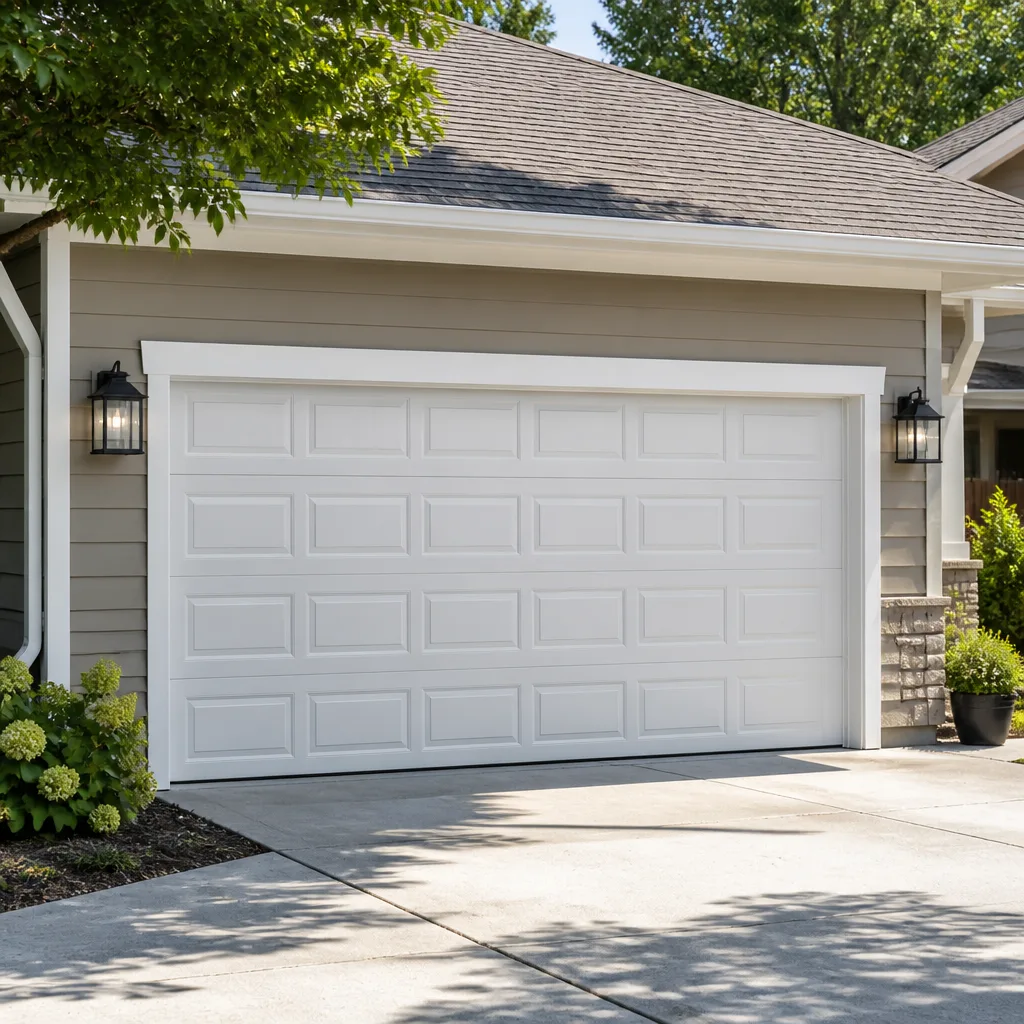 Raised-panel steel
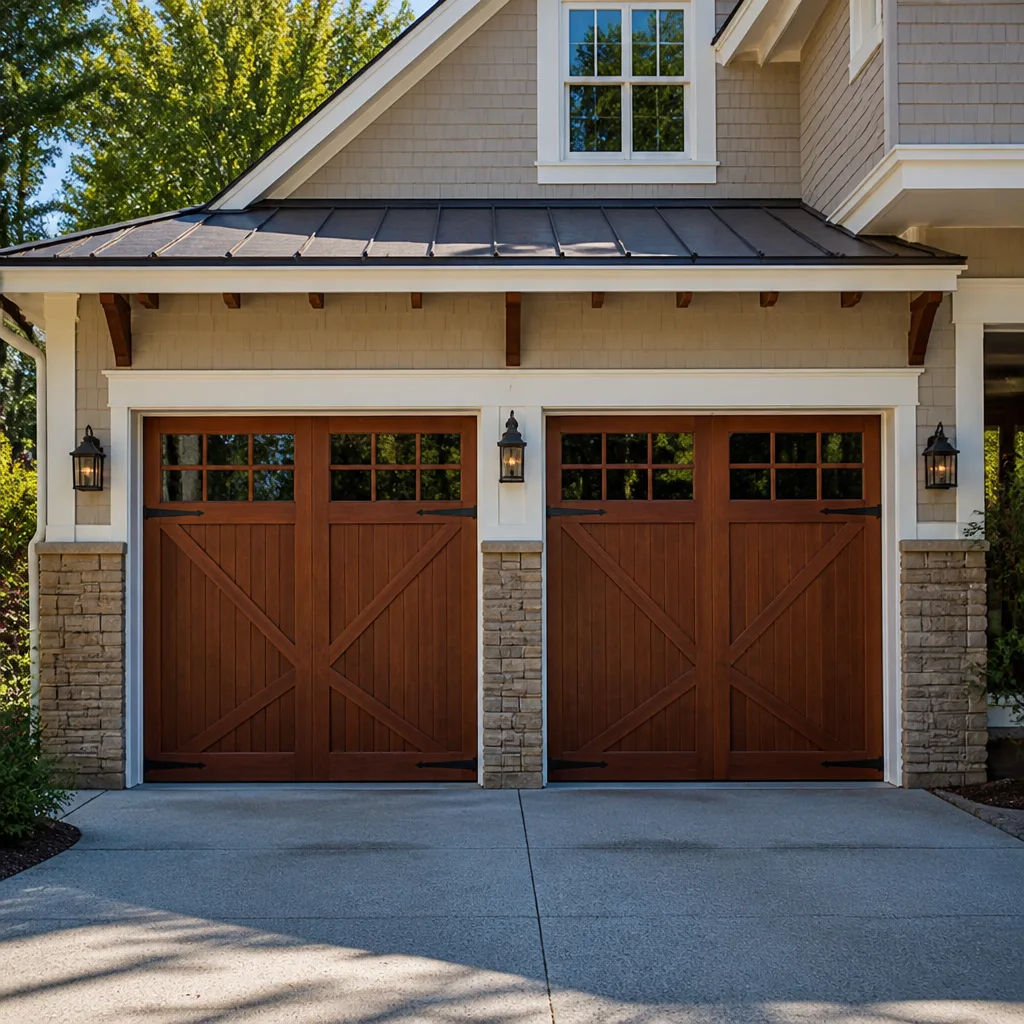 Carriage house
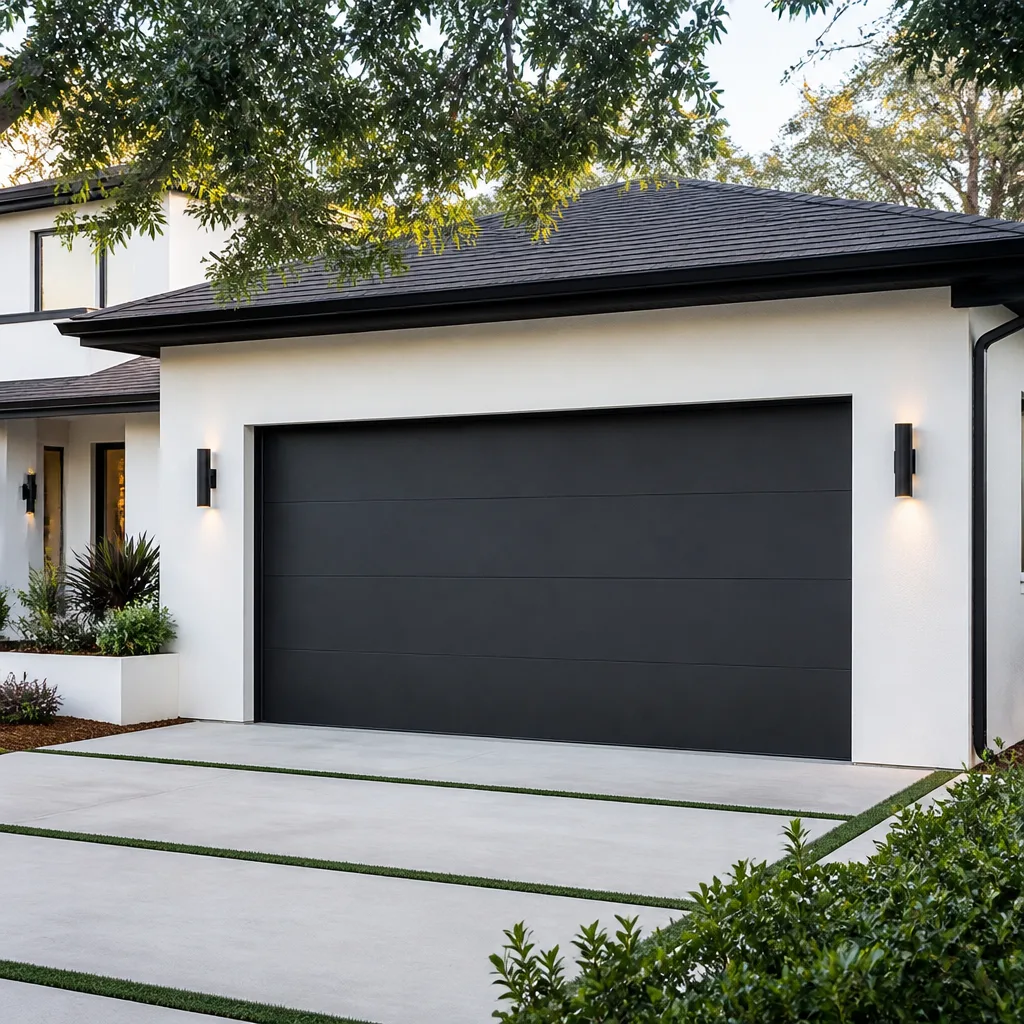 Modern flush
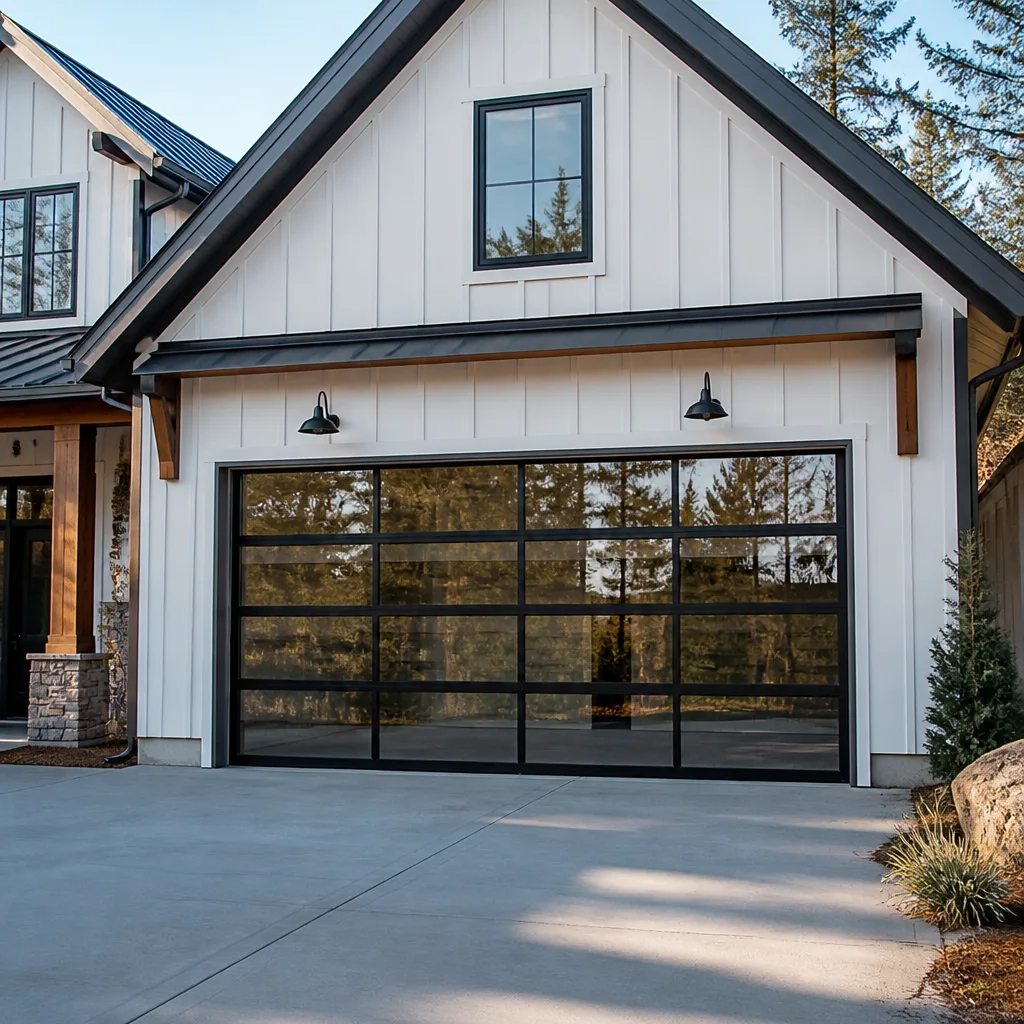 Full-view glass
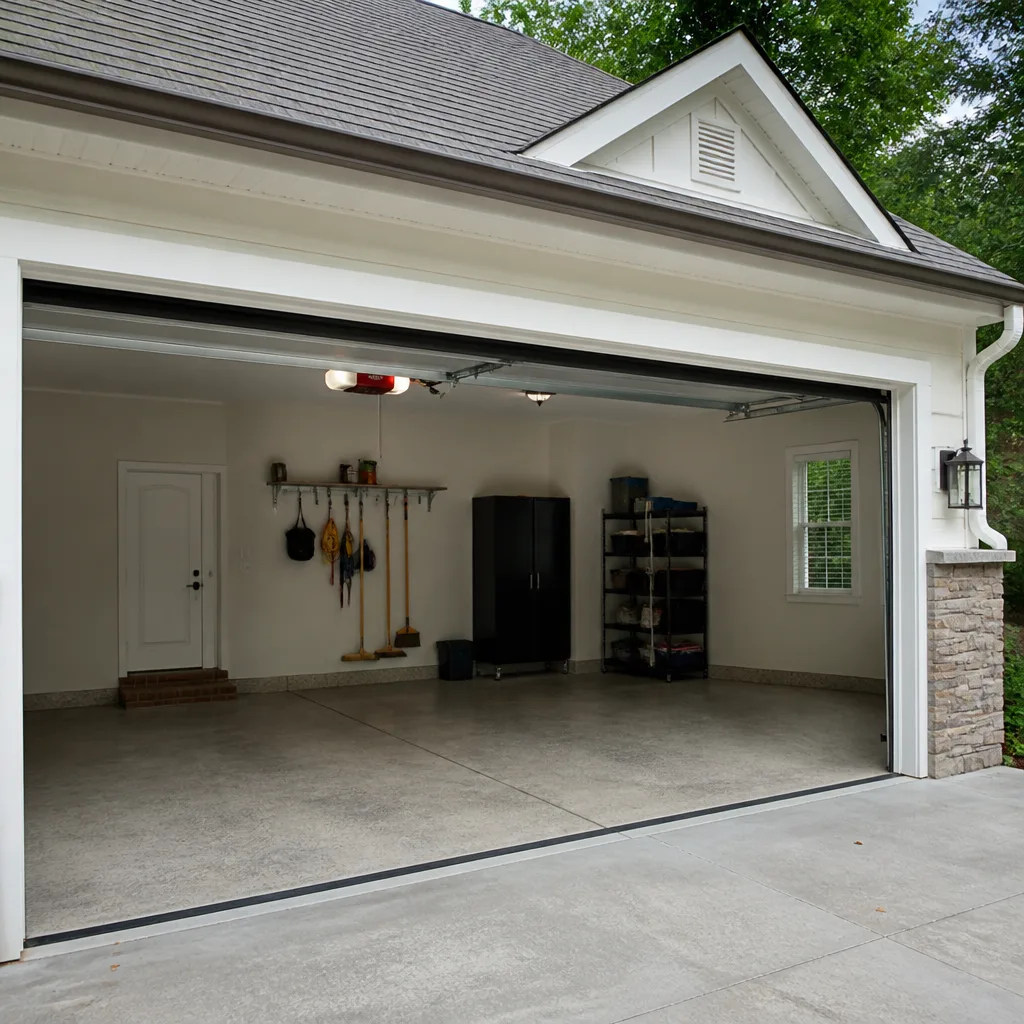 LiftMaster openers
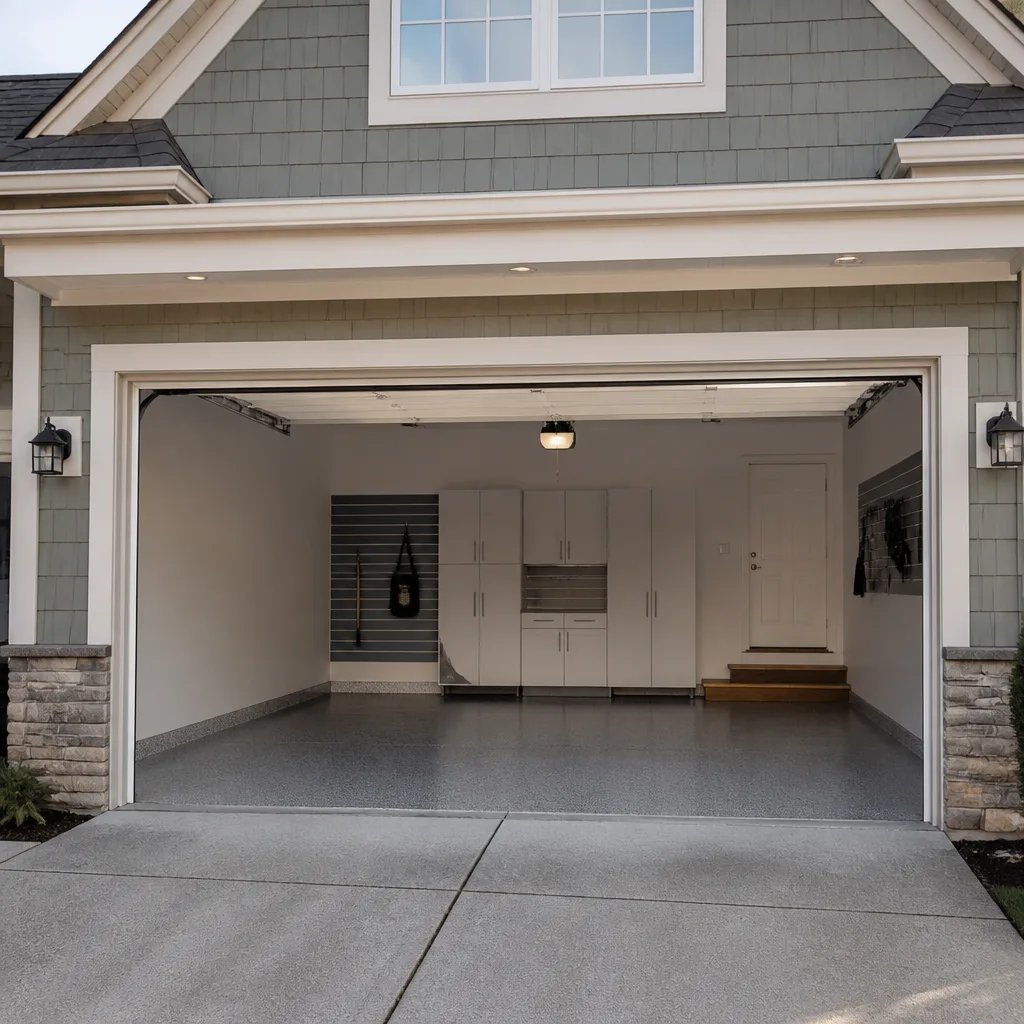 Chamberlain openers
Full 25-point door and opener safety check with every visit - springs, cables, rollers, tracks, and your LiftMaster or Chamberlain opener included
You get a price before we start. It does not change when the pro arrives.
Get your free estimateSeasonal Garage Door Care for Kempsville: Year-Round Homeowner’s Guide
Most seasonal garage door guides assume a tidy four-season calendar, with a hard winter that shuts everything down and a gentle spring that wakes it back up. Kempsville doesn’t work that way. We sit in a humid subtropical pocket where July heat and humidity push against the door, where winters are mild but damp enough to keep metal sweating and wood swelling, and where the hurricane season from June through November sets its own inspection deadlines. Springs are rated for temperature ranges, and the thermal swing between a Kempsville July afternoon and a January night is wide enough to measurably shift spring tension, so the balance that felt right in summer can have your opener straining by February. This guide maps the tasks that actually matter to Kempsville’s weather calendar, season by season, and shows you what to check, what to leave alone, and when to call.
Quick Answer
Garage door care in Kempsville follows the local weather, not a generic four-season template: reinforce and test the door before hurricane season, watch humidity damage through summer, do the high-value tune-up in fall before temperatures drop, protect seals through damp winters, and inspect exposed hardware in spring for winter wear. The single most useful habit is a twice-yearly balance and safety test, with a professional tune-up each fall. Anything involving springs, cables, or the counterbalance system belongs to a trained technician.
Styles & brands we work with
- Raised-panel steel
- Carriage house
- Modern flush
- Full-view glass
- LiftMaster openers
- Chamberlain openers
Table of Contents
- Why Kempsville’s Climate Rewrites the Maintenance Calendar
- Pre-Hurricane Season Checklist for Virginia Beach-Area Homes
- Summer Humidity: Wood, Weatherstripping, and Sensor Drift
- Why Fall Is the Highest-Value Maintenance Window in Kempsville
- Winter: Freezing Rain, Bottom Seals, and a Frozen Door
- Spring Post-Winter Inspection: Hardware and Wear
- The Twice-Yearly Test You Can Do Yourself
- Common Mistakes to Avoid
Why Kempsville’s Climate Rewrites the Maintenance Calendar
National garage door guides are written for a climate that has one long cold season and one short warm one. Kempsville lives in a humid subtropical zone, and that changes which parts of your door take the most punishment and when. Heat and humidity dominate for months. Winter arrives as damp cold rather than deep freeze. And hurricane season overlays all of it, running from the start of June into the end of November, which means the months when your door is most likely to face wind-driven rain are also the months when it’s hot enough that people forget to look at the hardware.
Here’s what that means in practice for a Kempsville home:
- Springs work across a wide thermal range. A torsion spring’s tension changes with temperature. A door balanced in the heat of summer can feel heavy or sluggish on a cold January morning, and that extra resistance transfers straight to your opener.
- Humidity is a year-round factor, not a summer-only one. Wood door sections, weatherstripping adhesive, and painted steel all respond to moisture that stays in the air longer here than in drier regions.
- Wind events cluster in the warm months. The hurricane season window shapes when you should inspect tracks, hinges, and anchors rather than when you should winterize.
- Freezing rain is a real winter visitor. It bonds bottom seals and thresholds to the slab and can make a door impossible to lift until it’s freed correctly.
The useful frame is not spring-summer-fall-winter in equal quarters. It’s a front-loaded schedule: get the door storm-ready in late spring, manage moisture through summer, do the real maintenance in fall, defend seals in winter, and assess wear in early spring. For a homeowner in Kempsville, that rhythm keeps the door working and keeps small problems from becoming replacements. If something is already broken rather than merely seasonal, our garage door repair team handles the diagnosis and fix.
Pre-Hurricane Season Checklist for Virginia Beach-Area Homes
Hurricane season runs from June 1 through November 30, and for Kempsville homes the right time to inspect is late May, before the window opens. A garage door is the largest opening in most houses. When wind-driven rain and pressure hit, a door that isn’t structurally sound can flex, lose its seal, or in serious cases fail inward. What a wind-rated door actually requires to perform as rated is the part most guides skip: the rating assumes the door is properly installed, the tracks are straight and anchored to sound framing, the hinges and rollers are intact, and the door is fully closed and latched. A rated door on a bent track or with loose anchors is not performing as rated.
Work through this before the season starts:
- Look at the tracks. They should be straight, parallel, and firmly attached to the wall framing. Any bend, gap at the mounting points, or wobble when you push sideways is a flag.
- Check hinges, rollers, and fasteners. Rusted or loose hinges and worn rollers let panels shift. Tighten what’s meant to be tight and note anything that looks fatigued.
- Test the bottom seal. It should sit flat against the slab across the full width. Daylight or a visible gap means wind-driven rain can get under it.
- Confirm the door closes fully and latches. A door that stops short of the floor is not sealed against weather.
- Test the opener’s force and travel settings. The door should reverse on contact and stop at the correct travel points. If it strains to close, fix that before the season rather than during it.
- Clear the area around the door inside and out. Anything blocking travel or that could become airborne belongs elsewhere.
If a wind rating matters to your insurance or your peace of mind, confirm the specifics of your door with the manufacturer or a technician rather than assuming. If any of the checks above turn up something that needs a hands-on repair, that’s the moment to book it, not the day a storm is forecast. When a door fails suddenly and blocks a car or leaves the house open, our emergency service exists for exactly that; keep Garage Door Repair Kempsville saved for when it can’t wait.
Summer Humidity: Wood, Weatherstripping, and Sensor Drift
Kempsville summers are hot and humid, and that combination does specific things to a garage door that drier climates don’t see to the same degree. Three components take most of the strain.
Wood door components
If your door is wood or has wood sections, humidity makes the material swell. A panel that fitted cleanly in dry weather can bind against its neighbor, and a door that tracks fine in March may start to rub in July. Watch for sticking panels, paint cracking along seams, or swelling at the bottom edge where moisture collects near the slab. The fix is to keep the finish intact and address any binding before it warps the track alignment.
Weatherstripping adhesion
Heat softens the adhesive under perimeter weatherstripping and gaskets, and humidity works on the material itself. If you see seals peeling at the corners, drooping, or leaving gaps, that’s summer heat doing its thing. Replacing perimeter seals is a small job that protects the gap between the door and the frame from water intrusion.
Photo-eye sensor alignment
Safety sensors sit in the path of heat, glare, and the vibration of a door that’s working harder. Summer is when alignment problems show up as a door that closes partway and reverses, or won’t close at all. Before you assume the opener is failing, check that the two sensors face each other, that the lenses aren’t dusty, and that nothing is blocking the beam. That one check resolves a surprising share of summer service calls. When the problem is really in the opener itself, our garage door opener repair service covers all the major brands, including LiftMaster and Chamberlain units that many Kempsville homes already have.
Why Fall Is the Highest-Value Maintenance Window in Kempsville
In a climate with a long hot summer and a damp cold winter, fall is the maintenance window that pays you back the most. Here’s why: it’s the point when summer’s heat and humidity stress is over, before freezing rain and cold-morning tension swings begin, and before you’re relying on the door most heavily to keep out wet weather. A tune-up in fall catches what summer wore down and gets ahead of what winter will stress. It’s also when scheduling is calmest, before the first cold snap drives everyone to the phone at once.
What a fall maintenance pass should accomplish:
- Balance and tension check. A door that’s out of balance forces the opener to compensate, and the compensation gets worse as temperatures fall. A technician checks the counterbalance and adjusts tension so the door lifts and lowers evenly.
- Lubrication done correctly. Rollers, hinges, and tracks need the right lubricant in the right places. Tracks themselves should be clean, not greasy; the rollers and hinges need the oil.
- Hardware inspection. Bolts and fasteners worked loose by a summer of vibration get tightened, and worn rollers or hinges get flagged.
- Seal and threshold review. This is your last easy chance to replace a bottom seal or threshold before it has to hold back freezing rain and cold air.
- Opener settings. Force and travel get re-checked so the opener isn’t overworking as the door stiffens in colder weather.
Whether your door is a Clopay, an Amarr, or a Craftsman system, the steps are the same because the physics are the same. The door system is what’s being adjusted, not a specific brand. If you’re planning a larger change, like replacing aged panels or the whole door, fall is also the sensible time to get that measured and scheduled through our garage door installation service; installation is a scheduled job, not a same-day fix, so getting the measure done early avoids a mid-winter scramble.
Winter: Freezing Rain, Bottom Seals, and a Frozen Door
Kempsville winters are mild but damp, and that’s a different kind of stress than deep cold. The real problem is freezing rain and overnight cold that bonds your bottom seal to the slab. When water gets under the seal and freezes, the door can be stuck fast in the morning, and forcing it is how seals tear and panels get damaged.
How to free a frozen door without hurting it:
- Don’t force the opener or lift hard. If the door doesn’t move with gentle hand pressure, assume it’s frozen and stop.
- Check for the obvious. Look for visible ice at the bottom of the door where it meets the threshold.
- Loosen the bond gently. Free the seal at the bottom with gentle heat or de-icing, working along the width rather than at one spot.
- Check the tracks for ice and grit. Ice in the track will jam rollers even once the bottom is free.
- Test travel slowly. Once freed, run the door a short distance by hand before letting the opener take over.
The better answer is prevention. A bottom seal in good condition sits flatter and seals better, and replacement before winter is how you avoid the frozen-stuck scenario altogether. While the door is closed through winter, check that the threshold and perimeter seals aren’t cracked or pulled away; those gaps let cold air and moisture in and start the cycle again. If the door has been forced and the seal or a panel is now damaged, that’s a repair, not a finish adjustment.
Spring Post-Winter Inspection: Hardware and Wear
Spring is the season to look at what winter did to exposed hardware and the door as a whole. Damp cold and temperature swings work on metal and seals quietly, and problems that start small become failures over a hot summer. This is the inspection that catches wear before it turns into a breakdown.
What to assess in early spring:
- Rust and corrosion on hardware. Hinges, rollers, fasteners, and track mounting points can show surface rust after a damp winter. Light surface rust is a cleanup-and-lubricate item; pitting or seized rollers are replacements.
- Seal condition at the bottom and sides. Winter is hard on seals. Cracked or flattened seals need replacing before the wet spring.
- Door balance. If the door feels heavier than it did in fall, the counterbalance needs a look. This is a technician job.
- Track alignment. Temperature movement and vibration can shift tracks out of parallel. Look for gaps at the mounts and any bend.
- Opener behavior. Any change in how the door reverses, how fast it travels, or how noisy it is tells you something’s worn.
For a homeowner in Kempsville, spring is also the moment to get ahead of the year’s biggest stress window. If the inspection turns up a balance issue, a worn spring, or a door that won’t travel smoothly, address it now rather than waiting for the buildup to hurricane season. Hardware that’s assessed early is hardware that doesn’t fail on a day you need the door most.
The Twice-Yearly Test You Can Do Yourself
Between professional tune-ups, there’s a safety and balance test you can run at home safely. Do it twice a year, ideally in fall and spring, and stop at anything that involves the springs, cables, or brackets. Springs and cables are under extreme tension and can cause serious injury if handled without the right training and tools. A trained professional should handle anything in that part of the system.
The safe test:
- Disconnect the opener. With the door closed, pull the release handle to disengage the opener, and keep the door from moving.
- Lift the door halfway by hand. Use the handle or a safe grip point, not the panels.
- Let go gently. A properly balanced door should hold in place, roughly where you left it. If it drops or rises on its own, the balance is off, and that’s a call-a-technician signal.
- Reconnect and test the safety reverse. With the opener engaged, place a roll of paper towels or a piece of wood flat in the door’s path on the floor. The door should reverse when it contacts it. If it doesn’t, the safety setting needs adjusting.
- Test the photo-eye sensors. With the door closing, wave an object between the sensors. The door should reverse immediately.
That’s the whole test, and it’s safe to do because you’re not touching the counterbalance system. What you’re checking is whether the door is balanced and whether the safety features work. If the door fails any of these steps, stop using it and get it looked at. The result tells you whether to book a tune-up or whether something more urgent is going on.
Common Mistakes to Avoid
- Treating the door as a spring-and-fall chore. In Kempsville’s climate, the calendar matters more than the season name. Hurricane season and winter cold both demand attention at specific times, and a generic schedule misses those windows.
- Greasing the tracks. Tracks should be clean, not lubricated. Lube goes on rollers and hinges, and greasy tracks attract grit that jams the door.
- Forcing a frozen door. If it doesn’t lift with gentle pressure on a cold morning, it’s frozen at the seal. Forcing it tears seals and can damage panels or the opener.
- Ignoring a door that reverses partway. That’s usually a sensor alignment issue, not a failing opener. Check sensors before assuming the opener needs replacement, and don’t override the safety reverse to make it close.
- DIY spring work. Springs are under heavy tension. This is the repair that causes the most serious injuries in the trade, and it needs specialized training and tools. Call a professional.
- Waiting until a storm is forecast to inspect. The time to check tracks, hinges, and seals for the hurricane season is before it starts, not the week a system is approaching.
- Skipping the fall tune-up. Fall is the window that protects you through winter. Skipping it means starting the cold season on a door that already has summer wear.
See the difference
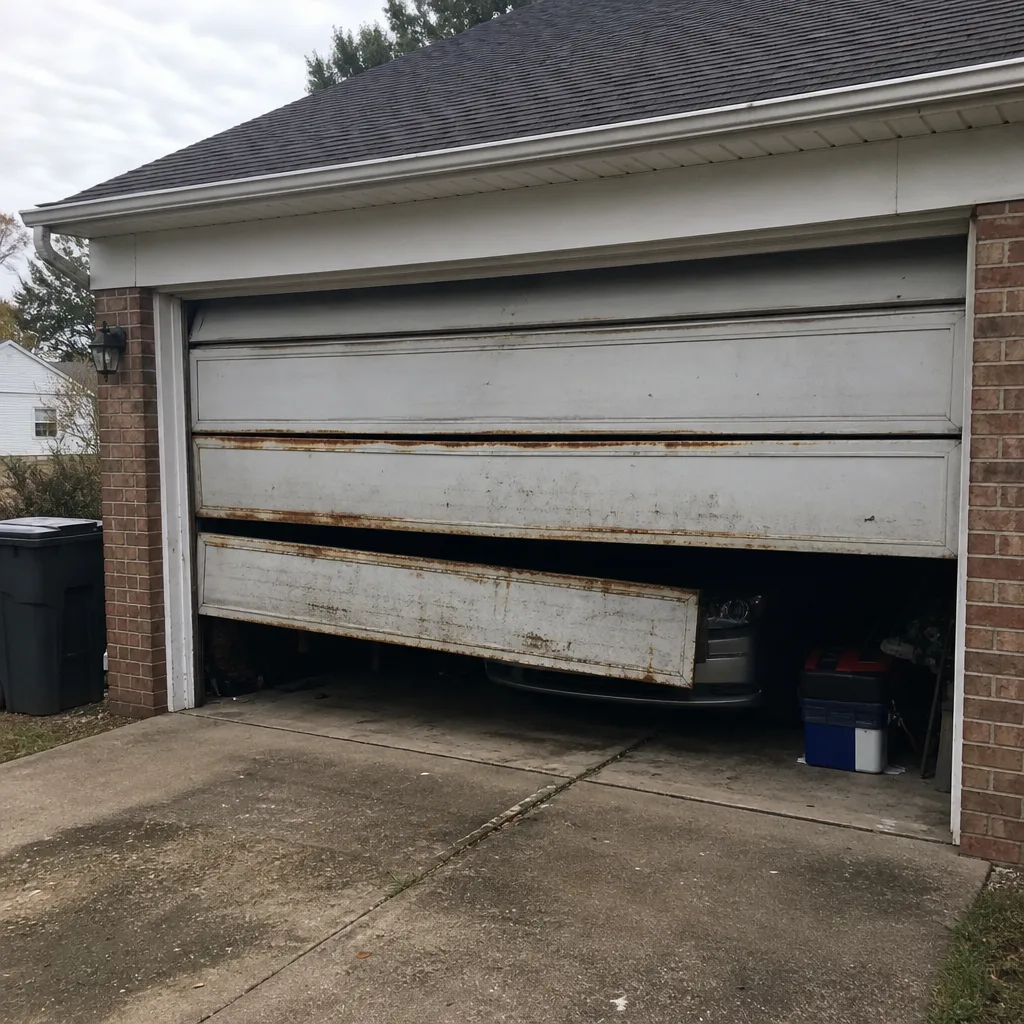 Before
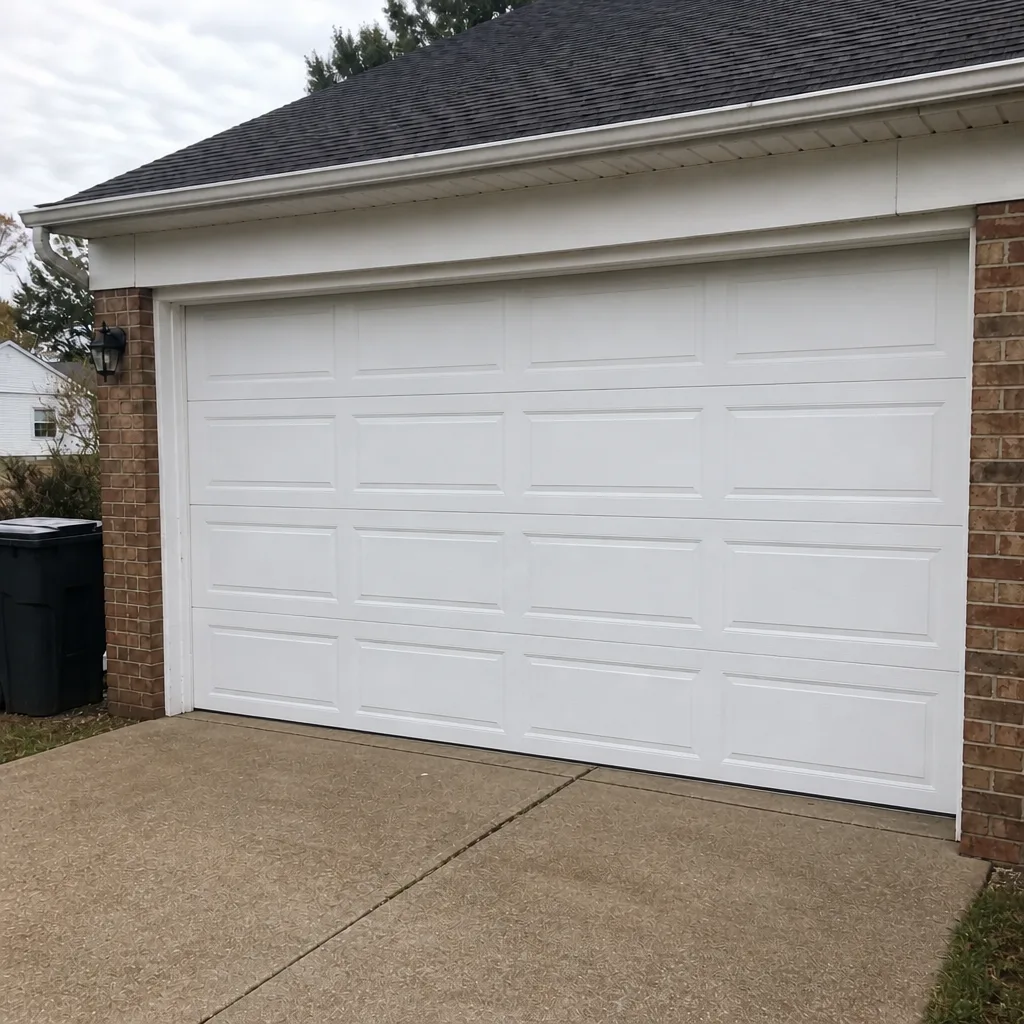 After
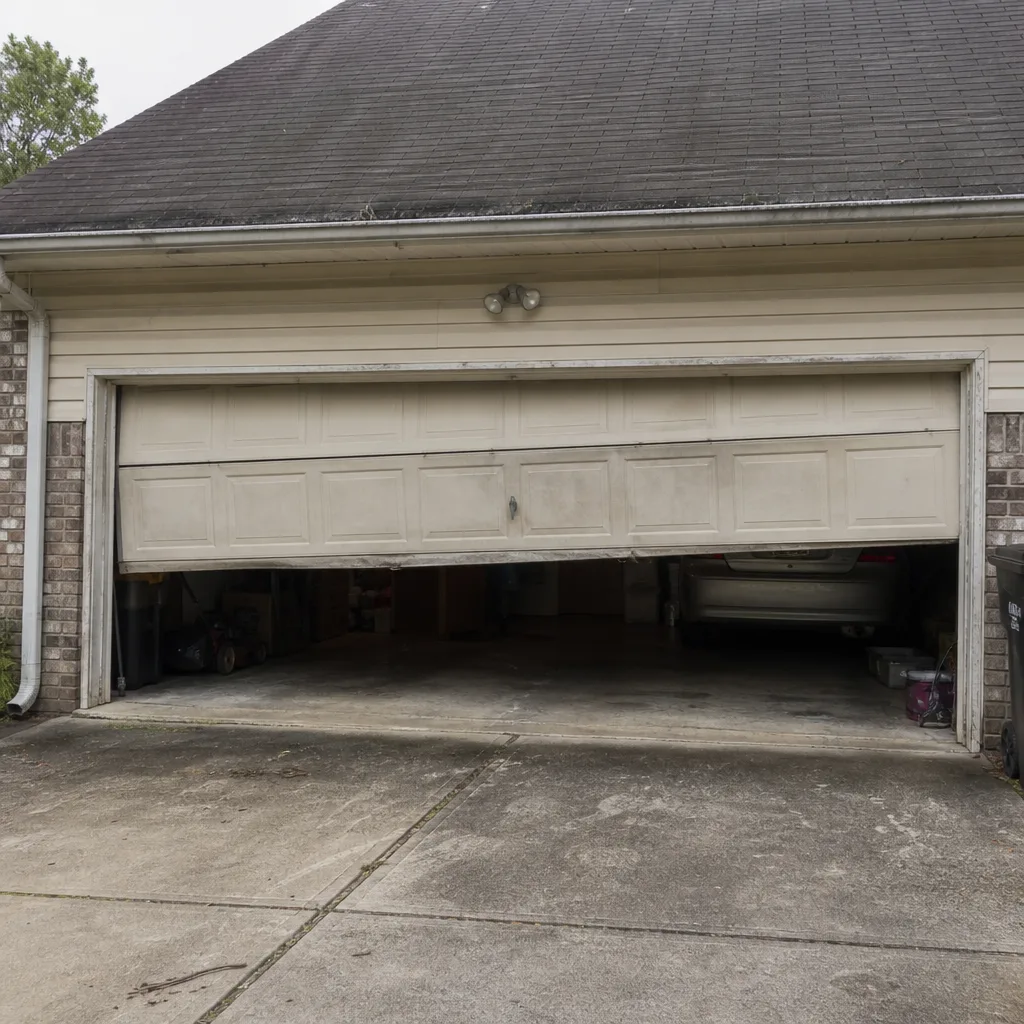 Before
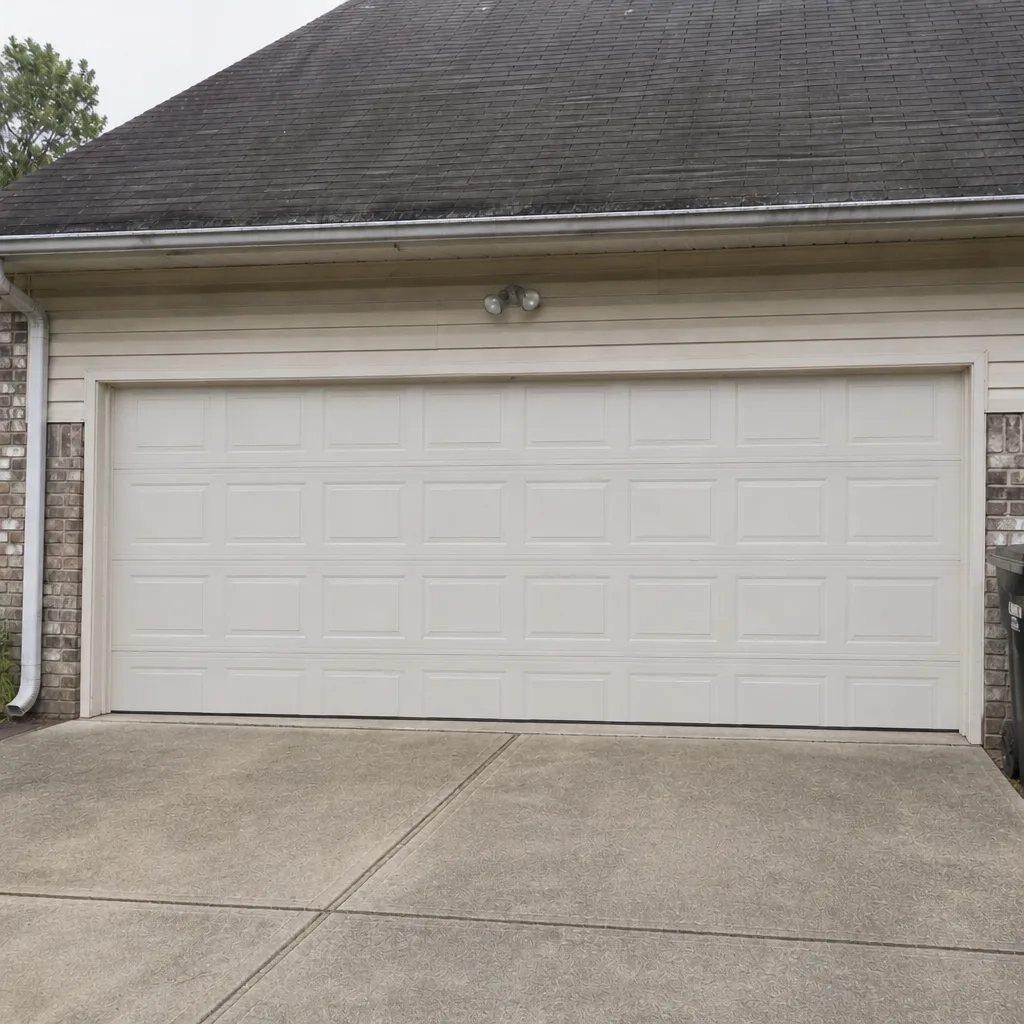 After
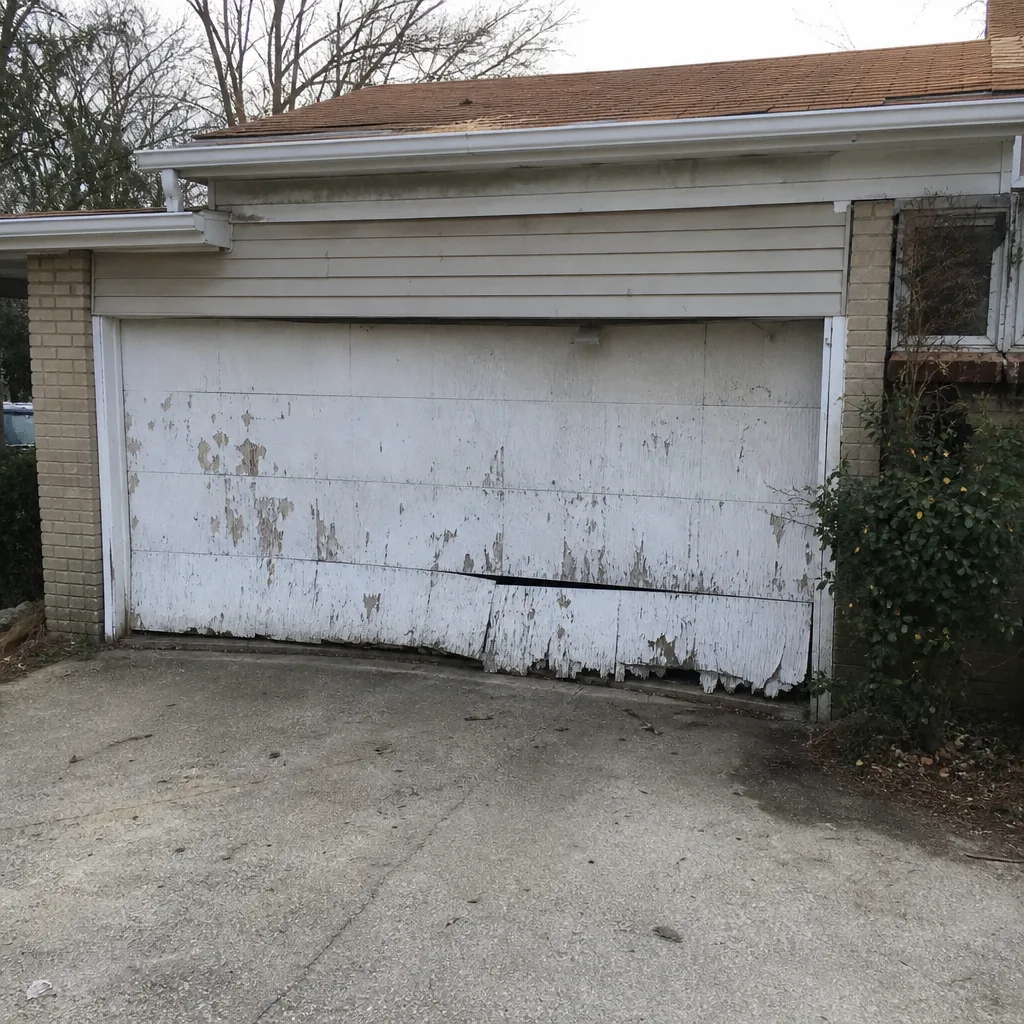 Before
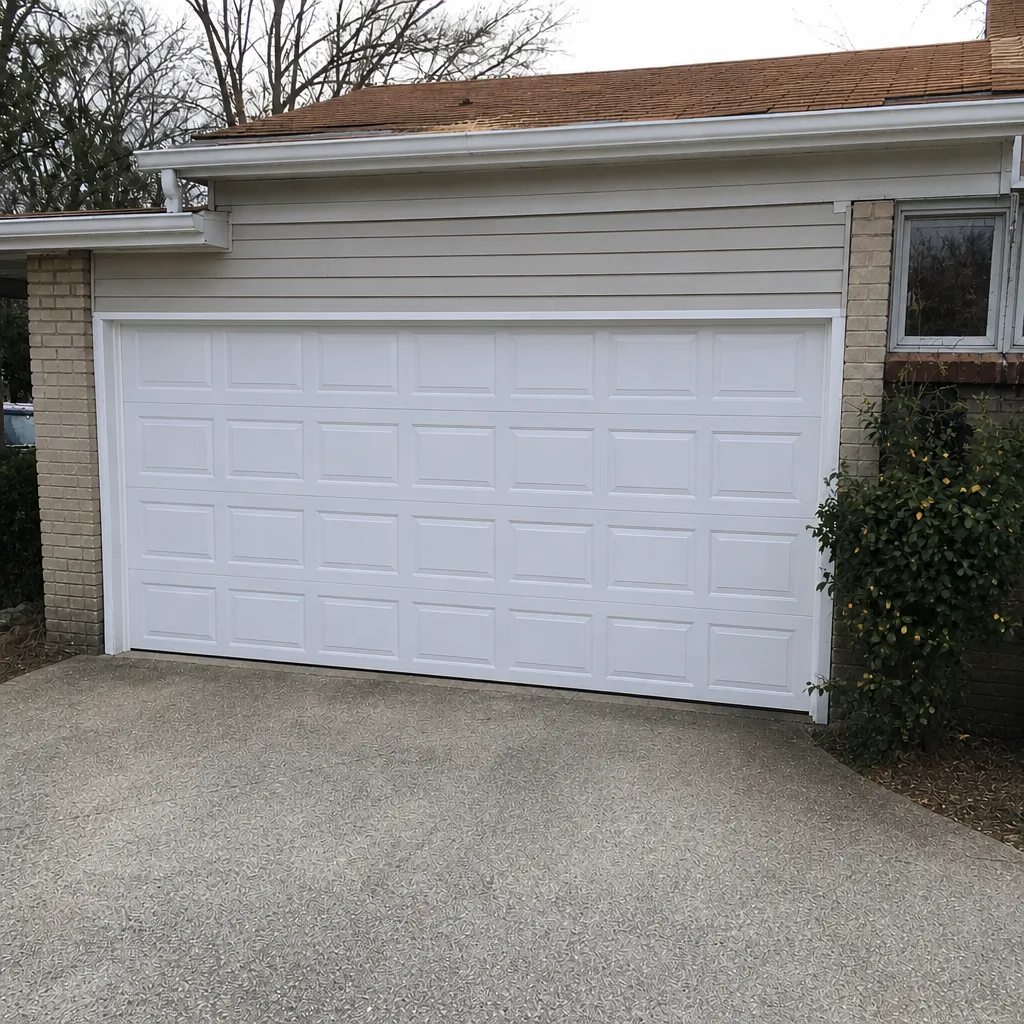 After
When to Call a Professional
Call a professional for anything involving the springs, cables, or counterbalance, and for a door that’s out of balance or won’t hold its position. Call when the door reverses partway and sensor checks don’t fix it, when a panel or the bottom seal is damaged, or when you hear a bang from the door followed by the opener struggling. Call before hurricane season if you’re unsure about track condition, anchors, or whether the door closes and seals correctly. And call when a door fails suddenly and blocks a car or leaves the house insecure; that’s what emergency service is for. Our technicians have up to 8 years of experience working with the brands many Kempsville homes already have, and we can work with the door and opener already installed. Garage Door Repair Kempsville offers free estimates, and we quote and agree the price with you before any work starts, so you know the number before the job begins.
Frequently Asked Questions
Twice a year is a sensible baseline here, once in fall and once in spring, because Kempsville’s climate puts two distinct stress periods on the door. Fall service prepares the door for damp, freezing-rain winters, and spring service catches what winter wore down before the hot, humid months. If you run the simple balance and safety test yourself between visits, you’ll catch problems earlier.
Because spring tension changes with temperature, and Kempsville’s swings are wide enough to matter. A door that felt balanced in July heat can feel heavier on a cold January morning, and the opener ends up compensating. That’s a balance issue, not a door that’s suddenly broken, and a technician can adjust the counterbalance. Call (844) 697-8393 to get it checked.
Replacing one spring typically falls in the low hundreds of dollars, and a matched pair is usually replaced together, so a pair costs about double. We quote the price and agree it with you before any work starts, so the written estimate is the number. Call (844) 697-8393 for an exact quote; estimates are free.
Inspect your tracks, hinges, rollers, and bottom seal before June 1 each year, and confirm the door closes fully and latches. A wind-rated door only performs as rated if it’s properly installed, on straight anchored tracks, with intact hardware. If anything looks loose or bent, get it checked before the season starts, not during a storm.
Yes, if it’s cracked, flattened, or not sitting flat against the slab, replace it before winter. A worn bottom seal lets freezing rain bond the door to the threshold, and the right seal prevents the frozen-stuck problem. It also protects against cold air and moisture through the coldest months.
For repairs, same-day service is often possible, and our emergency service exists for when a door fails and can’t wait. For a new door or a full replacement, it’s a scheduled job that starts with a free measure and a written price, so it isn’t same-day. Call (844) 697-8393 and we’ll tell you the soonest available time.
The Bottom Line
Kempsville’s climate has its own rhythm: a hurricane season that shapes inspection timing, a long humid summer that works on wood and seals, a damp winter that attacks bottom seals and thresholds, and wide temperature swings that move spring tension. A generic four-season calendar doesn’t account for any of that. What works is front-loading the hard work: storm-ready in late spring, moisture-aware in summer, tune-up in fall, seal-defense in winter, and a full inspection in spring. The safe parts you can handle yourself are the balance and safety tests; everything involving springs and cables belongs to a trained technician. Keep to that schedule and your door spends the year working instead of waiting for a repair.
If any step in this guide turns up something you’d rather have checked, or you need a tune-up, a repair, or a new door measured and scheduled, call Garage Door Repair Kempsville at (844) 697-8393 for a free estimate. We work with the door and opener you already have, and we quote the price and agree it with you before any work starts.
Written by the team at Garage Door Repair Kempsville.