Last updated November 21, 2026
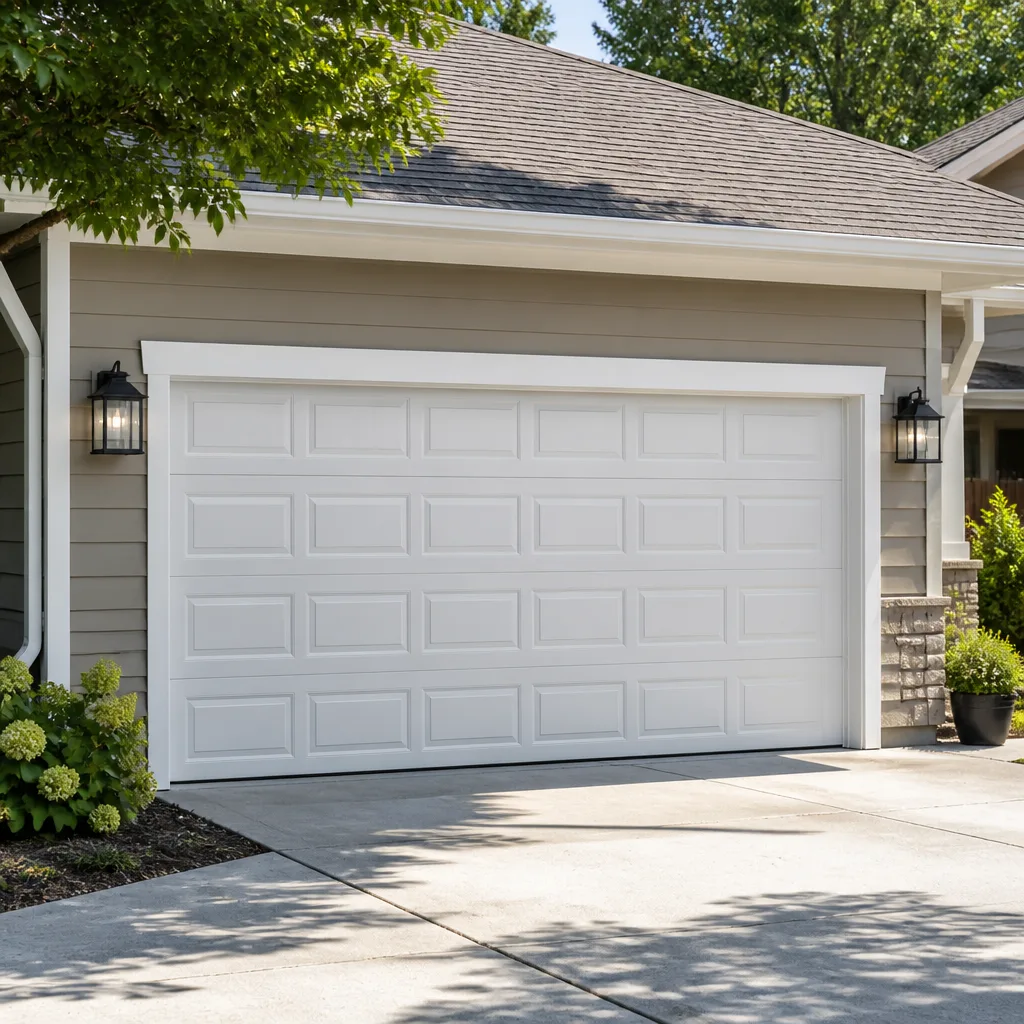 Raised-panel steel
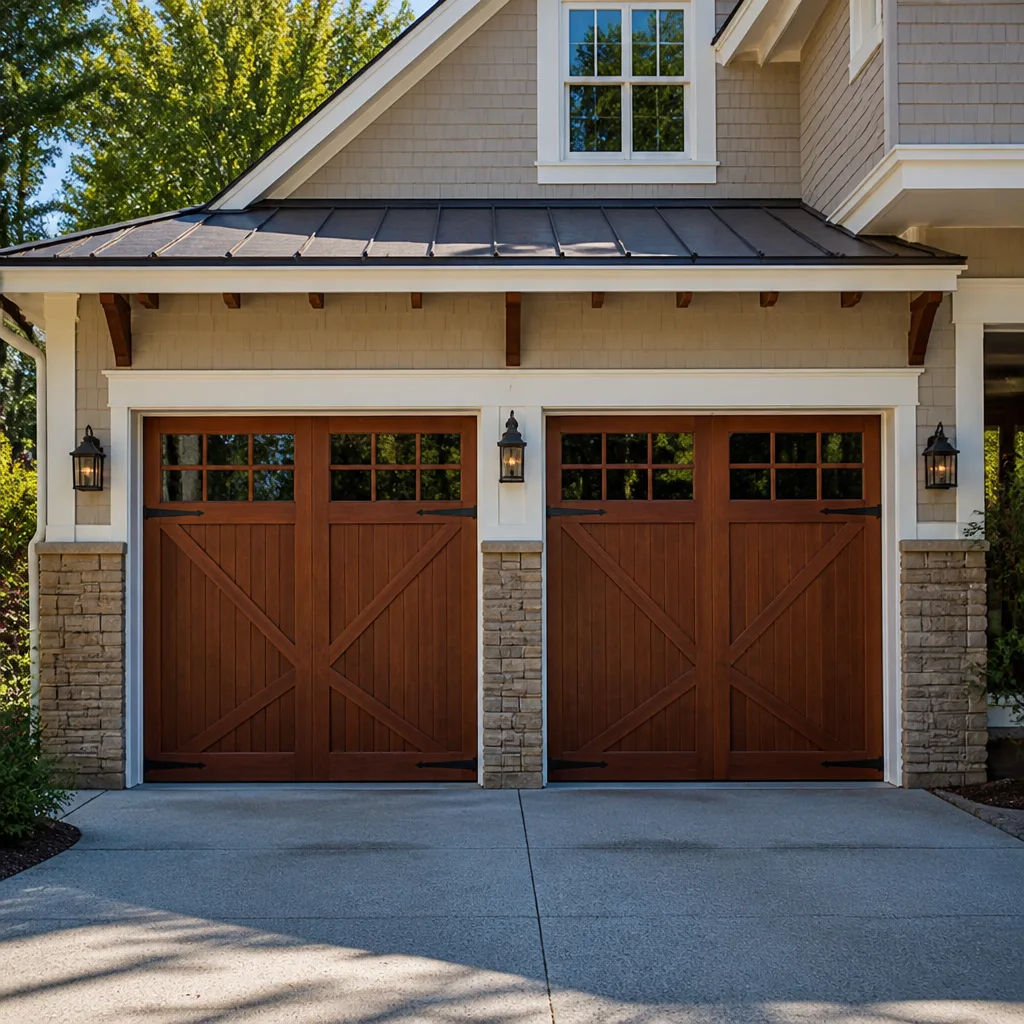 Carriage house
 Modern flush
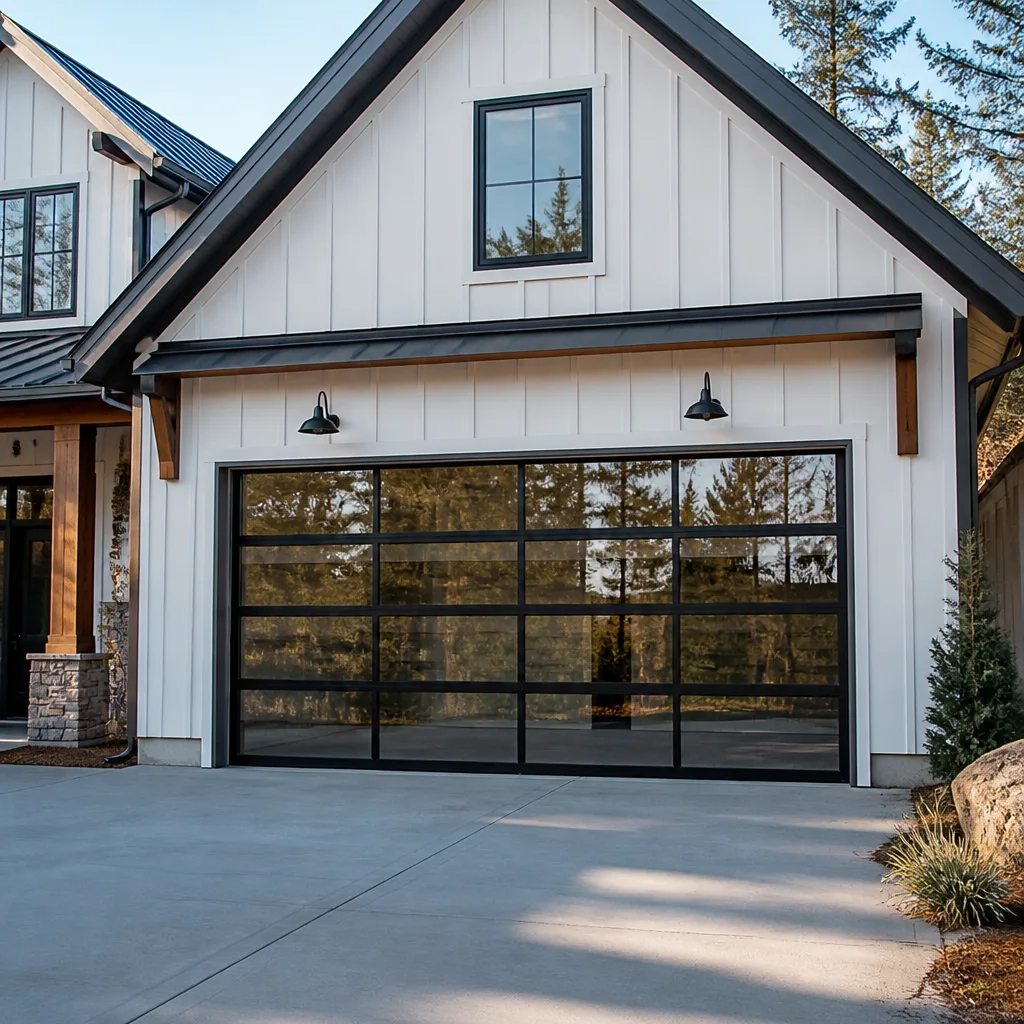 Full-view glass
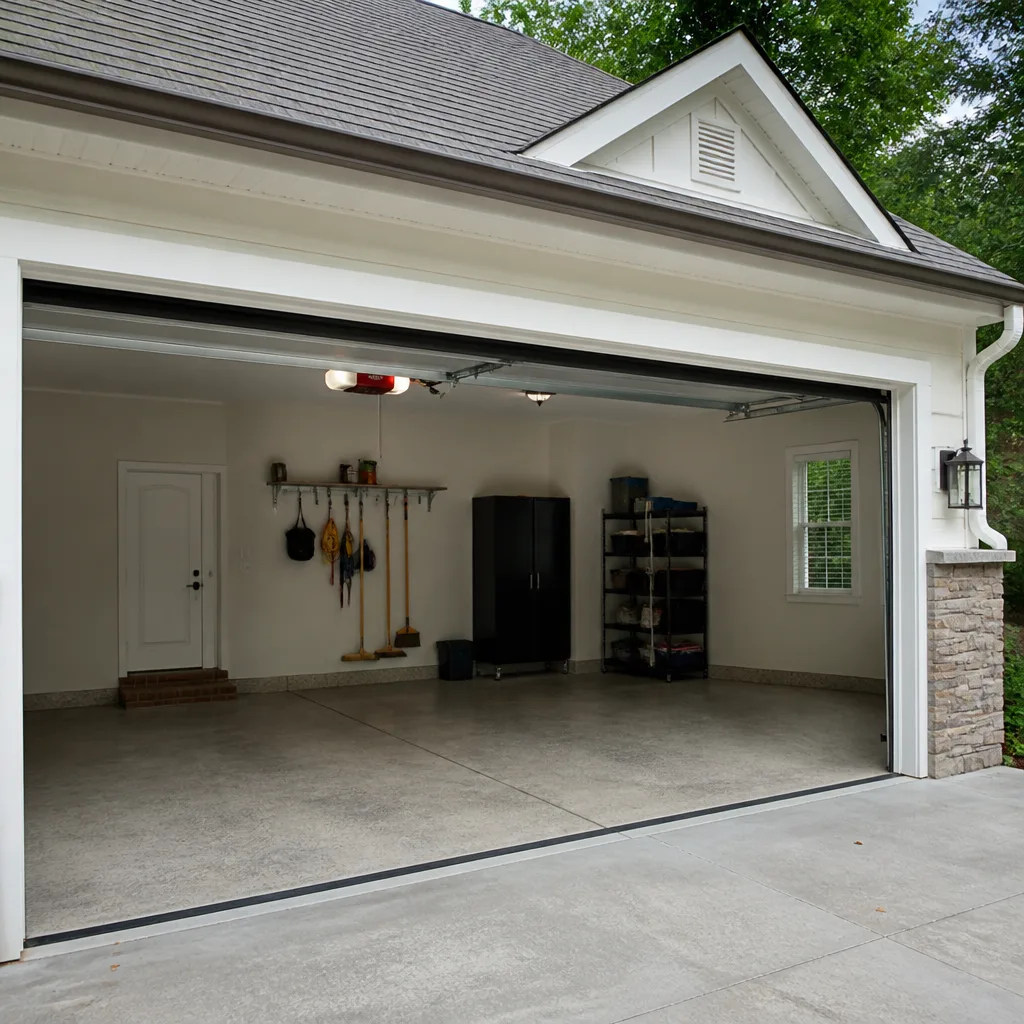 LiftMaster openers
 Chamberlain openers
Full 25-point door and opener safety check with every visit - springs, cables, rollers, tracks, and your LiftMaster or Chamberlain opener included
You get a price before we start. It does not change when the pro arrives.
Get your free estimateGarage Door Warning Signs: A Kempsville Homeowner’s Reference Guide
Most homeowners call for help after the door quits. By then, the failure has usually been broadcasting itself for days or weeks through sounds, movement patterns, and visible wear that are easy to read once you know what you’re looking at. A garage door that hesitates for half a second before moving isn’t just being slow. It’s telling you the opener is overworking against a balance problem, and that kind of strain wears out a motor long before the door itself stops working. This guide is a field reference for Kempsville homeowners: what each symptom means, which ones you can handle yourself, and which ones mean stop using the door now.
Quick Answer
The most important garage door warning signs in Kempsville are a door that reverses before closing, moves unevenly or jerks mid-travel, makes grinding or popping sounds, or shows a frayed cable or a gap in a spring coil. Grinding and rattling often trace to rollers and lubrication you can address yourself, while a snapped spring or frayed cable means stop using the door and call a trained technician. Catching these signs early turns a full failure into a routine repair.
Styles & brands we work with
- Raised-panel steel
- Carriage house
- Modern flush
- Full-view glass
- LiftMaster openers
- Chamberlain openers
Table of Contents
- What the Sounds Are Telling You: A Diagnostic Guide
- Inspecting Cables and Springs: Normal Wear vs. Imminent Failure
- Movement Red Flags: Reversing, Uneven Travel, and Jerking
- DIY-Addressable vs. Stop-Using-the-Door-Now
- Warning Signs Unique to Older Kempsville Homes
- Opener Warning Signs: When the Motor Is Struggling
- Seasonal and Weather-Driven Warning Signs in Kempsville
- A Simple Monthly Check You Can Do in Five Minutes
What the Sounds Are Telling You: A Diagnostic Guide
Sound is the earliest signal a garage door gives. A door that has always run quietly and suddenly develops a new noise is telling you which part of the system is under strain. Each distinct sound points to a different mechanical issue, and matching the noise to the cause is the fastest way to know whether you’re looking at a quick adjustment or a repair that needs a technician.
Grinding
Grinding usually comes from metal-on-metal contact at the rollers, hinges, or tracks. Dry rollers that have lost their lubrication, or rollers that have worn flat, grind as they travel. Sometimes the track has bent slightly and the roller is scraping the rail. Grinding is often a maintenance issue, but if it’s paired with a door that’s hard to lift by hand, the opener is fighting the door and the strain moves up the chain.
Popping
A sharp pop, especially one that happens at the same point in the travel every time, often points to a track that has shifted or a hinge that has worked loose. If the pop is loud and comes from above the door near the spring, treat it as serious: a torsion spring can pop as it fails, and that’s a stop-using-the-door moment. Popping at the top of a lift is also a common sign that a cable has jumped its drum.
Squealing
Squealing is usually friction. A dry torsion spring, a dry bearing plate, or a roller that has seized will squeal as the door moves. This is one of the more fixable sounds if you catch it early, since lubrication and a roller swap often quiet it down. Ignoring a squeal for months is how a small friction problem becomes a worn bearing or a binding track.
Rattling
Rattling is the loose-hardware sound: bolts, hinges, and brackets that have vibrated loose over years of use. It’s usually the least alarming of the four, but it still matters. Loose hardware lets the door shift slightly out of alignment, and that misalignment puts uneven load on the opener and the springs. A quick tighten of the bolts on the door panels is often all it takes, though you should leave the spring hardware alone.
Inspecting Cables and Springs: Normal Wear vs. Imminent Failure
A visual check of the cables and springs tells you more about the health of your door than almost anything else. You can do this from a safe distance with the door closed and the opener disconnected, looking without touching the high-tension parts. Here’s what normal wear looks like compared to what signals imminent failure.
What Normal Wear Looks Like
- Cables with a thin, even coat of light surface rust or a slightly dull finish
- Springs that show a consistent color with no visible gaps between coils
- Cables that run straight and sit evenly in their drums at the top corners
- Springs that hold their shape with no sag in the middle on an extension-style setup
What Signals Imminent Failure
- A visible gap of an inch or more in a torsion spring coil, which means the spring has broken
- A cable that has frayed strands sticking out along its length
- A cable that has come off the drum and is hanging loose or wrapped unevenly
- A spring that looks stretched, thin, or has lost its coil shape
- Rust pitting deep enough that the cable feels rough if you run a gloved hand near it
Springs and cables are the highest-tension parts of the whole system. A wound torsion spring stores enough energy to cause serious injury, and a snapping cable can whip with force. That’s why the safe rule is simple: look, don’t touch, and if you see a gap in a spring or a frayed cable, stop using the door and call a professional. Our garage door repair team handles spring and cable work with the right tools and training, and we treat it as one of the most important safety jobs on the door.
Movement Red Flags: Reversing, Uneven Travel, and Jerking
How the door moves is the second half of the diagnostic picture. A door that changes its movement pattern is telling you something in the balance, alignment, or safety system has shifted. These are the three movement red flags we see most often, and each has a distinct likely cause.
The Door Reverses Before Closing
A door that goes down a few inches and then reverses is almost always a safety sensor problem. The photo-eye sensors near the floor have either lost alignment, been bumped, or picked up dirt on the lens. A misaligned sensor is one of the most common and most fixable issues, and aligning the two eyes so they see each other usually solves it. If the sensors are clean and lined up and the door still reverses, the issue can be in the opener’s logic board or the limit settings, which is a technician call.
The Door Moves Unevenly Side to Side
When one side of the door rises faster than the other, the door is out of balance. The usual culprits are a stretched or broken spring on one side of an extension-spring setup, a cable that has slipped its drum, or a track that’s no longer plumb. Uneven travel puts a twisting load on the panels and the opener, and if left alone it leads to bent tracks and cracked panels. This is not a symptom to run through its full cycle repeatedly to test.
The Door Jerks Mid-Travel
A door that moves smoothly, then hitches partway up or down, is usually binding. Causes include a roller that’s come out of its track, a bent section of track, or a hinge that’s dragging. Jerking is often a mechanical alignment problem rather than a spring problem, but it still strains the opener every cycle. A door that jerks should be checked before the opener starts to fail from the extra load.
Balance is the underlying issue behind most movement problems. A properly balanced door should stay put halfway open when you disconnect the opener and lift it by hand. If it drops or rises on its own, the springs aren’t carrying the door’s weight, and the opener is doing work it was never meant to do. If your opener is showing strain from a balance issue, our garage door opener repair can sort out the motor side once the door itself is balanced again.
DIY-Addressable vs. Stop-Using-the-Door-Now
The most useful thing this guide can do is help you draw the line between what you can handle and what needs a trained professional. Getting that line right keeps you safe and saves you from making a small problem worse. Here’s the split we use.
Signs You Can Likely Address Yourself
- Squealing or grinding from rollers. Lubricating rollers and hinges with a proper garage door lubricant (not WD-40) often quiets a squeal.
- Loose bolts and rattling. Tightening the bolts on the door panels and hinges is a quick fix, as long as you avoid the spring hardware.
- Misaligned safety sensors. Nudging the sensor eyes back into alignment, or cleaning the lenses, resolves a lot of reversing doors.
- Debris in the tracks. Clearing dirt, leaves, and small objects from the tracks restores smooth travel.
Signs to Stop Using the Door Now
- A visible gap in a torsion spring coil, or a spring that has clearly snapped
- A frayed cable with broken strands, or a cable hanging loose off its drum
- A loud pop followed by the door not lifting, or lifting only with a shove
- A door that moves unevenly or binds hard, especially with the opener struggling
- Any sign of a bent track with the door jammed or off its rollers
If any of those stop-now signs are present, leave the door in the closed position, disconnect the opener if you can do it safely, and call a technician. Springs are the most dangerous component in a garage door system, and this is where a trained pro earns their keep. If the door is blocking a car or leaving the house open, our Garage Door Repair Kempsville team offers dedicated emergency service for exactly those situations, and we stay on top of the diagnosis so the door gets handled properly.
Warning Signs Unique to Older Kempsville Homes
Kempsville grew fast during the 1980s and 1990s construction boom, and a lot of homes still have their original garage door hardware. That older equipment has its own set of warning signs, and they show up in patterns that are slightly different from what you see on newer doors. If your home dates to that era, these are worth knowing.
Original Openers at the End of Their Life
Openers from that period were built to last, but the electronics and drive components age. A chain-drive opener that starts groaning, running slow, or failing to hold its limit settings is often showing its age. If the opener is a Genie or a Chamberlain from the 80s or 90s, the parts and logic may be harder to source, and a replacement opener is sometimes the cleaner path than repeated repairs. We service those older brands as part of our garage door opener repair work, so we can tell you whether repair or replacement makes more sense for the unit you have.
Wood Doors With Hidden Rot
Original wood panel doors from that era can develop rot at the bottom rails and around the hinges, often hidden behind paint. A door that suddenly feels heavier, or that has a soft spot near the bottom edge, may be taking on water. Probe gently with a screwdriver at the bottom corners to check. Wood doors also tend to warp over time, which throws off the balance and puts extra load on the springs.
Aging Springs That Have Never Been Replaced
A torsion spring on a door in a busy household often reaches the end of its life after roughly the number of cycles you’d expect from daily use over a couple of decades. Original springs on a 1990s Kempsville door are simply due. If the door has never had its springs replaced, plan for it. A spring that fails while the door is up can drop the door, and that’s a hazard worth avoiding.
Old Track and Roller Wear
Tracks and rollers from that era accumulate wear that newer hardware doesn’t show as quickly. Steel tracks can rust at the joints, and nylon rollers can go brittle and crack. Running a hand along the track (with the door down) can reveal rough spots or dents. Replacing worn rollers is a low-cost way to extend the life of an older door.
If your Kempsville home still has that original hardware and you’re not sure whether it’s due for a repair or a full replacement, our garage door installation team can walk you through the options. Our technicians have up to 8 years of experience, and we’re certified across 8 major brands, including LiftMaster, Chamberlain, Genie, Clopay, Amarr, Wayne Dalton, Craftsman, and Raynor. That matters on older homes: we arrive familiar with the specific hardware already on your door.
Opener Warning Signs: When the Motor Is Struggling
Your opener gives you its own set of warning signs, and they’re often separate from the door’s symptoms. A struggling motor is easy to overlook because the door still opens, but the strain compounds. Here’s what to watch for.
The Opener Hesitates Before Moving
That half-second pause before the door starts is the signature sign of an opener working against a balance problem. The motor has to overcome a load the springs should be carrying. Left alone, the hesitation gets longer, and eventually the opener’s capacitor or gear wears out. A balance check with the opener disconnected tells you whether the springs are the issue.
The Motor Runs but the Door Doesn’t Move
If you hear the opener running but the door stays put, the issue is usually in the drive: a stripped gear, a broken chain or belt, or a disconnect that’s been pulled. This is common on older chain drives and is a clear signal the unit needs a technician’s look. It’s not a symptom to keep cycling to see if it catches.
The Opener’s Lights Flash and It Won’t Close
Flashing lights and a refusal to close usually mean the safety sensors aren’t seeing each other or the opener’s travel limits are off. Check the sensor alignment first. If the eyes are lined up and clean, the limit settings or the logic board likely need adjustment, which is a job for a technician familiar with the specific brand.
Remote Range Shrinks or the Remote Stops Working
A remote that used to work from the driveway and now only works up close, or a wall button that’s more reliable than the remote, points to a failing receiver or a weak battery. On older LiftMaster and Chamberlain units, the receiver can age out. A replacement receiver or a newer opener may be the fix.
When the opener is the problem, the door still has to be balanced for the new or repaired unit to work well. These systems work as a pair, so a technician should check both.
Seasonal and Weather-Driven Warning Signs in Kempsville
Garage doors show different warning signs depending on the season. In Kempsville, the swings from hot, humid summers to cold winters put specific stress on the system, and knowing the seasonal patterns helps you catch problems early. The climate here is mild enough that doors don’t face extreme cold for long, but the humidity and temperature swings still leave their mark.
Summer Humidity and Swelling
Wood doors swell in the humid summer months, which can cause panels to bind and the door to feel heavier. If your door runs fine in winter and labors in summer, seasonal swelling is likely the cause. Lubricating the moving parts and checking the balance helps, and a technician can adjust the opener’s limits to compensate for the seasonal change.
Temperature Swings and Metal Hardware
Metal tracks and hardware expand and contract with temperature changes. That’s why a door that was quiet in spring might start rattling or popping as the seasons shift. A track that’s slightly out of alignment in one season may bind in another. A yearly check of the tracks and bolts catches this before it becomes a repair.
Storm Season and Impact Checks
Summer storms bring wind and debris. After a strong storm, check the tracks for debris, look at the panels for dents, and make sure the safety sensors are still aligned. Hail is uncommon here, but wind-driven debris and blown-in dirt are the more typical storm-related issues. A door that’s been hit or nudged should be checked for balance and alignment before you keep using it.
Winter Cold and Stiff Moving Parts
Cold weather thickens lubricants and can make rollers stiff, which puts more load on the opener. A door that groans on cold mornings is often just cold grease, but if the stiffness persists, a technician should look at the rollers and the balance. A little fall lubrication goes a long way toward a quieter winter.
A Simple Monthly Check You Can Do in Five Minutes
The best way to catch warning signs early is a short monthly check. This takes about five minutes and doesn’t require tools beyond a quick visual pass and a listen. Do it with the door closed and then again through one full cycle.
- Listen once as the door cycles. Note any grinding, popping, squealing, or rattling that wasn’t there last month.
- Watch the travel. Does it move evenly side to side? Any jerks or pauses?
- Look at the springs and cables. With the door down, check for gaps in the spring coils and frayed cables. Look, don’t touch.
- Test the safety sensors. Put an object in the door’s path and confirm it reverses. If it doesn’t, the sensors need attention.
- Tug the bolts. Check the bolts on the door panels and hinges for looseness. Leave the spring hardware alone.
- Lubricate if due. A thin coat of garage door lubricant on the rollers, hinges, and tracks keeps friction down.
- Check the balance. Disconnect the opener and lift the door halfway. It should stay put. If it drops, the springs need a look.
A door that passes this check is in good shape. A door that fails one step is giving you a warning while the repair is still small.
Common Mistakes to Avoid
- Ignoring a new noise and hoping it goes away. A new grinding or popping sound is the door telling you which part is under strain. Waiting lets a small fix turn into a bigger repair.
- Trying to fix a spring or cable yourself. These parts are under high tension and can cause serious injury. Leave them to a trained technician with the right tools and training.
- Greasing the tracks. Tracks shouldn’t be greased because the rollers need to roll, not slide. Lubricate the rollers and hinges instead, and keep the tracks clean and dry.
- Playing with the opener’s limit settings without understanding them. Adjusting limits blindly can make the door reverse or overtravel. If the door isn’t closing, check the sensors first before the limits.
- Assuming a 1990s Kempsville door doesn’t need spring work. Original springs on a home from that construction era are simply due, and a failed spring can drop the door. Plan for the replacement before it fails.
- Replacing the opener when the door is the real problem. A new opener won’t fix a door that’s out of balance. The door and the opener should be checked together.
- Skipping the monthly check because the door still opens. A door that opens isn’t the same as a door that’s in good shape. The warning signs show up before the failure.
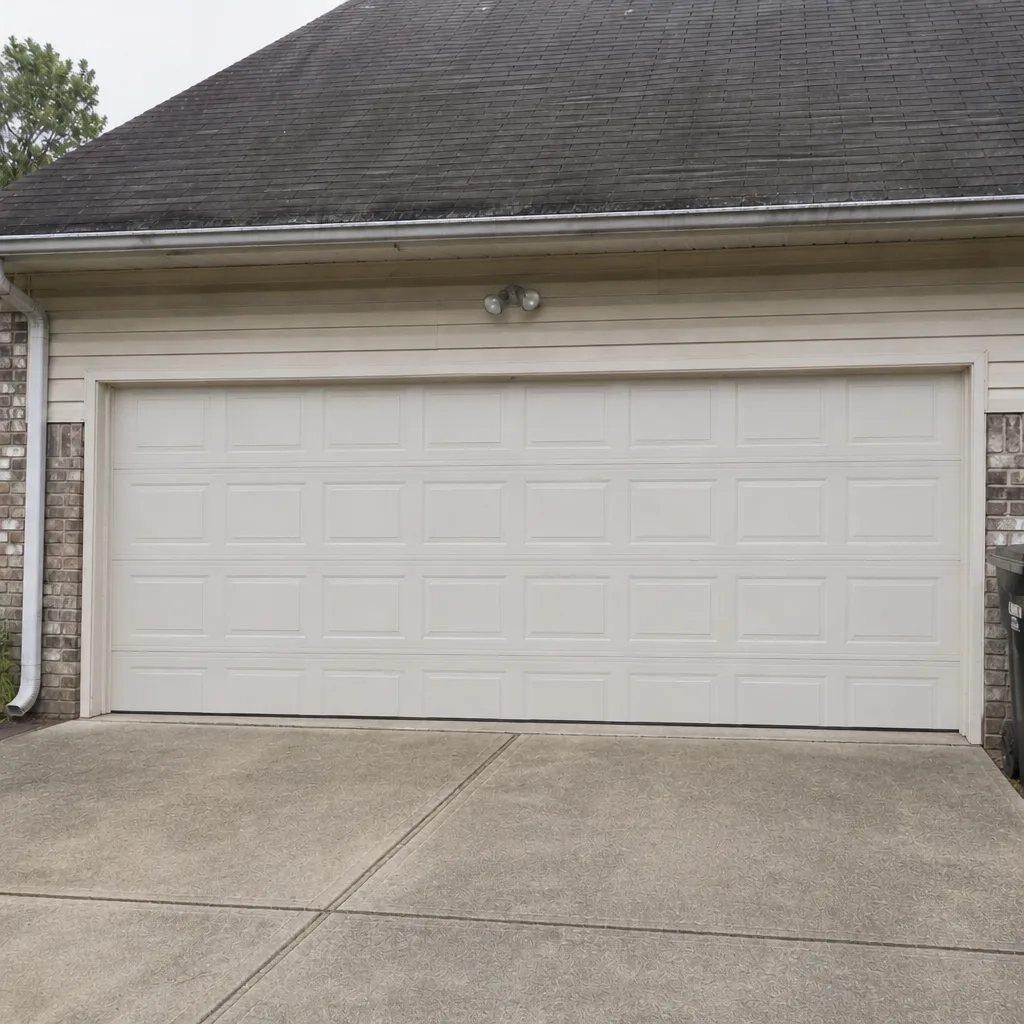
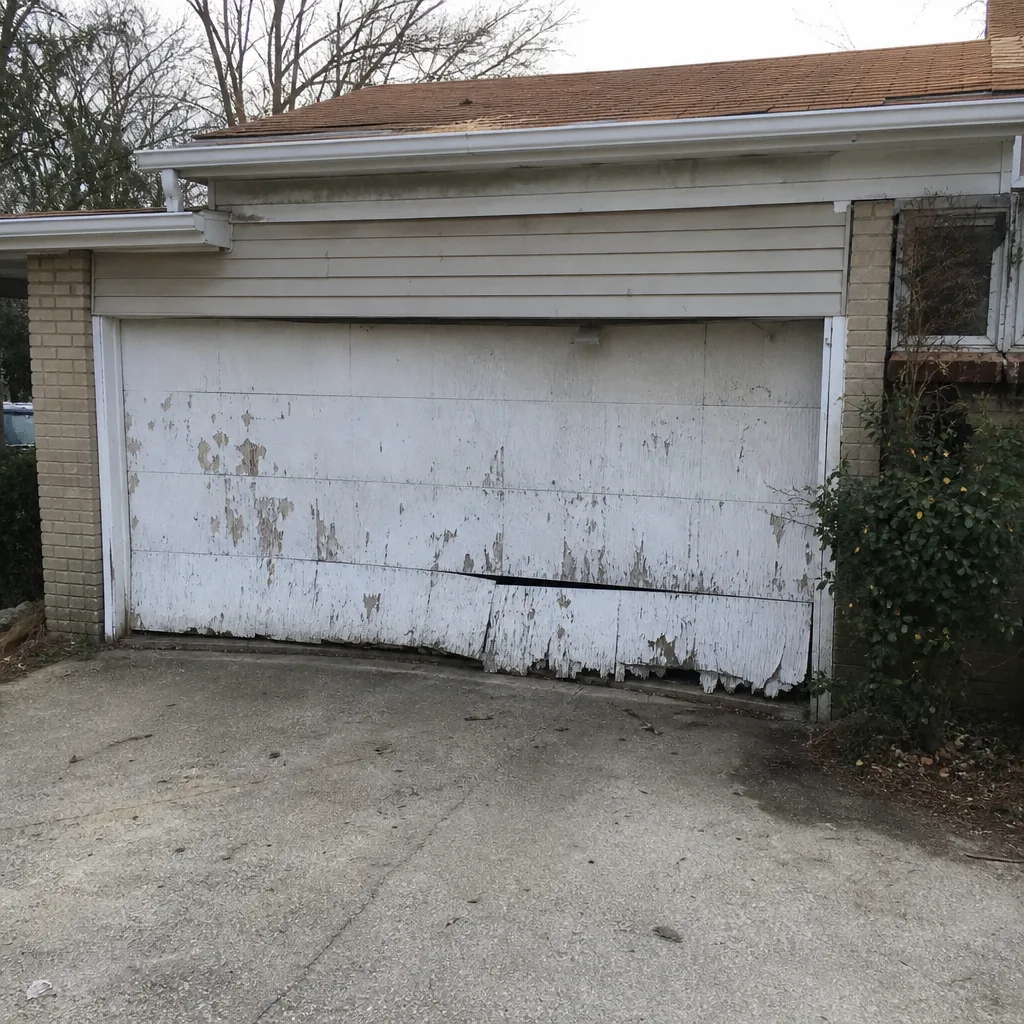
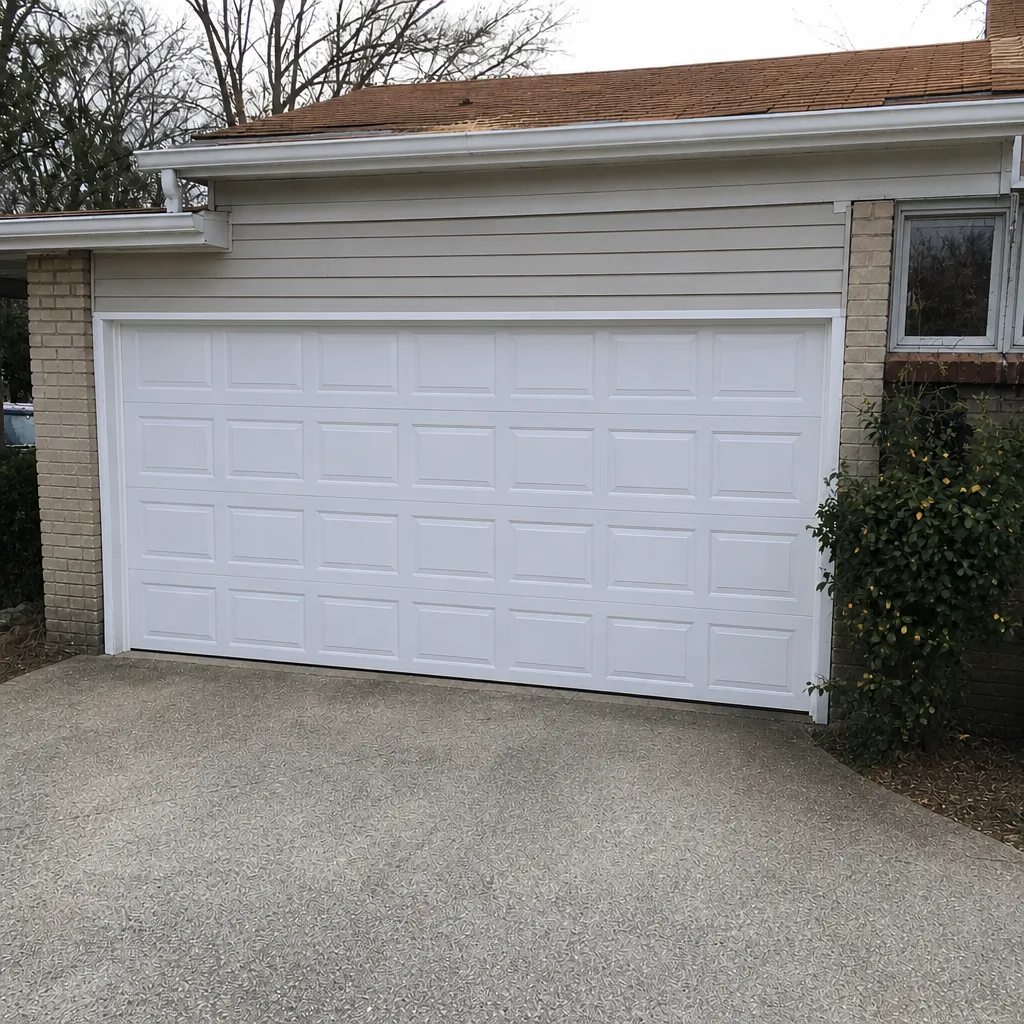
See the difference
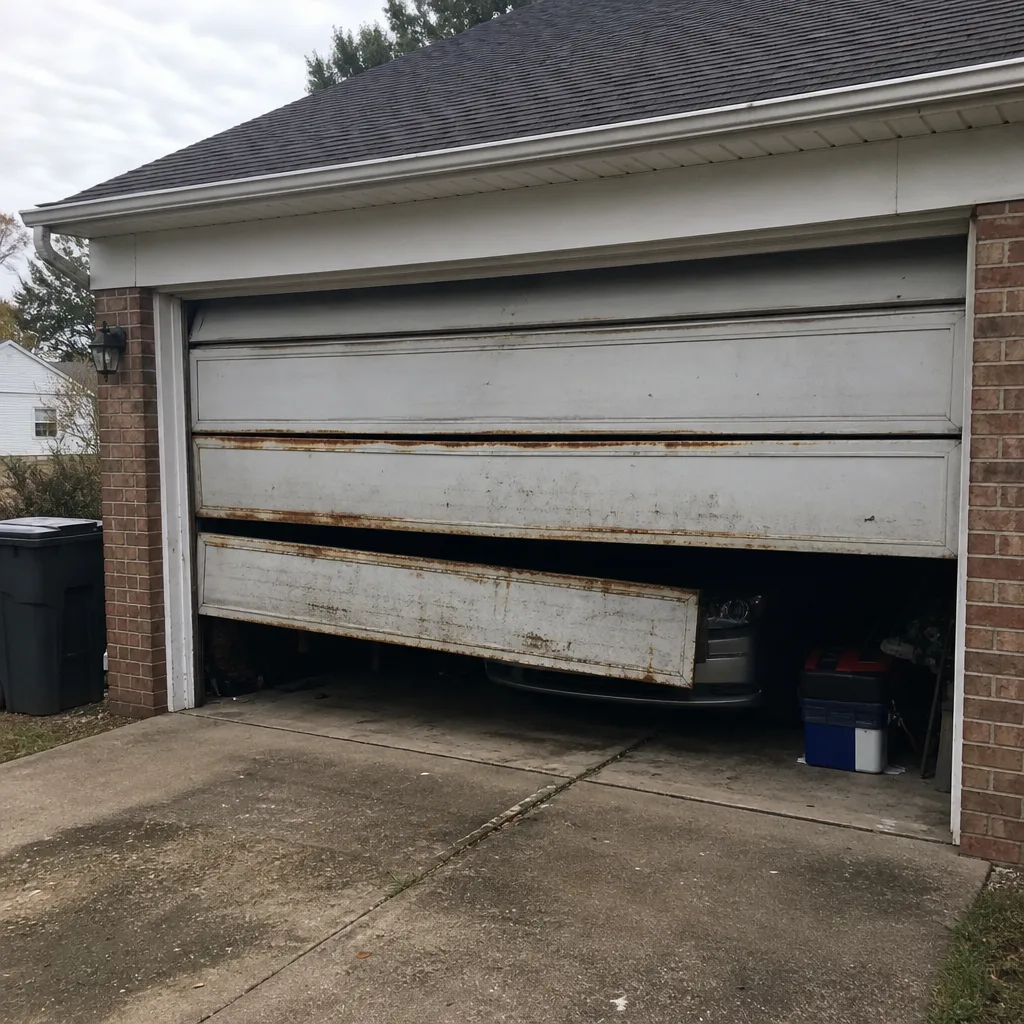 Before
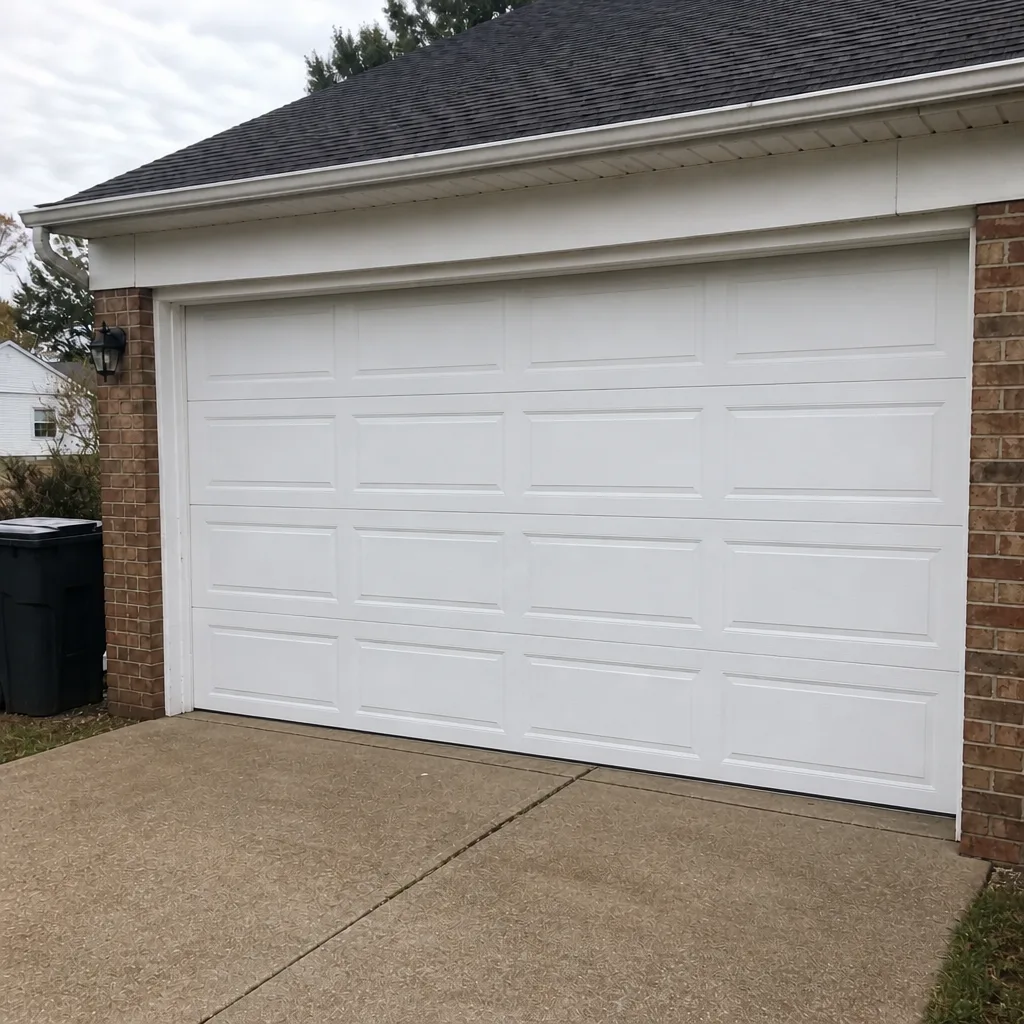 After
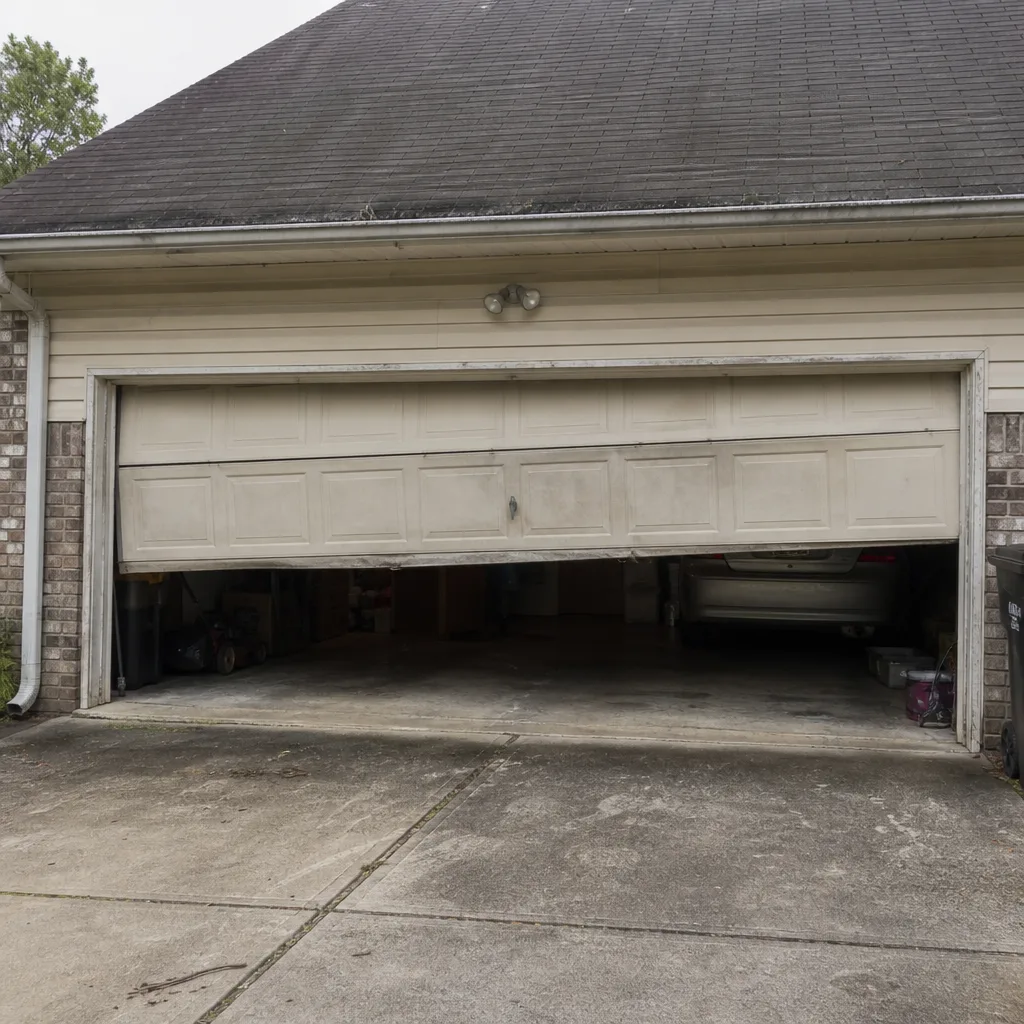 Before
 After
 Before
 After
When to Call a Professional
Call a technician when you see a broken spring, a frayed cable, a door that moves unevenly or binds, or a track that’s bent or jammed. Those are the stop-now signs, and continuing to run the door makes them worse. Also call if the door reverses and the sensors are clean and aligned, if the opener runs but the door doesn’t move, or if your older Kempsville hardware has never had a spring replacement. Springs are the most hazardous part of the system, and they’re not a job for a homeowner with hand tools. Garage Door Repair Kempsville offers free estimates in Kempsville, and we can diagnose the door and the opener together so you’re not coordinating two separate repairs. Call (844) 697-8393.
Frequently Asked Questions
A door that hesitates or slows before it moves is usually the first sign. That pause means the opener is working against a balance problem, which strains the motor over time. A new grinding or popping sound runs a close second. Call (844) 697-8393 if you’re not sure what you’re hearing.
Often, yes. Squealing and grinding from rollers, hinges, and loose bolts are usually lubrication and tightening jobs. A proper garage door lubricant on the rollers and hinges, and a quick tighten of the panel bolts, quiets most of it. If the noise is a sharp pop from the spring area or a cable, stop and call a technician.
A torsion spring is broken when you see a clear gap of an inch or more between the coils, usually above the door. An extension spring is broken when it hangs stretched or detached. Either way, stop using the door and call a professional, because a broken spring means the door is unsupported. Call (844) 697-8393 for spring repair.
A reversing door is almost always a safety sensor issue. The photo-eye sensors near the floor have lost alignment, picked up dirt, or been bumped. Clean the lenses and line the eyes up so they see each other. If they’re clean and aligned and the door still reverses, the opener’s limits or logic board need a technician’s look.
Watch for original springs that have never been replaced, wood rot at the bottom of a wood panel door, and worn rollers and tracks. Springs on a 1990s Kempsville door are typically due, and a failed spring can drop the door. Have the springs, cables, and opener checked together before they fail.
Repair is usually the right call if the door structure and panels are sound. Springs, cables, rollers, and openers can all be repaired or replaced while keeping the door you have. If the panels are rotted or the door is badly out of balance, replacement may make more sense. Call (844) 697-8393 for a free estimate and a clear recommendation based on your existing system, not on selling you a new door you don’t need.
The Bottom Line
Your garage door tells you it’s about to fail before it does. A hesitation before moving means the opener is overworking against a balance problem. Grinding, popping, squealing, and rattling each point to a different mechanical issue, and the fix depends on which sound you’re hearing. Springs and cables get a look, not a touch: a gap in a spring coil or a frayed cable means stop using the door now. And if you’re in an older Kempsville home with original 1980s and 1990s hardware, plan for spring, roller, and opener checks before they fail. A five-minute monthly check catches most of this while the repair is still small.
If you’ve read this and something on your door sounds familiar, don’t wait for the failure. Garage Door Repair Kempsville handles the door, the springs, and the opener together, and works with the brand you already own. We’re certified across 8 major brands, including LiftMaster, Chamberlain, Genie, Clopay, Amarr, Wayne Dalton, Craftsman, and Raynor. Call (844) 697-8393 for a free estimate and an upfront price quoted before any work starts. When it can’t wait, our emergency garage door service is there for doors that are stuck, jammed, or leaving the house open. One call covers the whole door.
Written by the team at Garage Door Repair Kempsville.