Last updated November 21, 2026
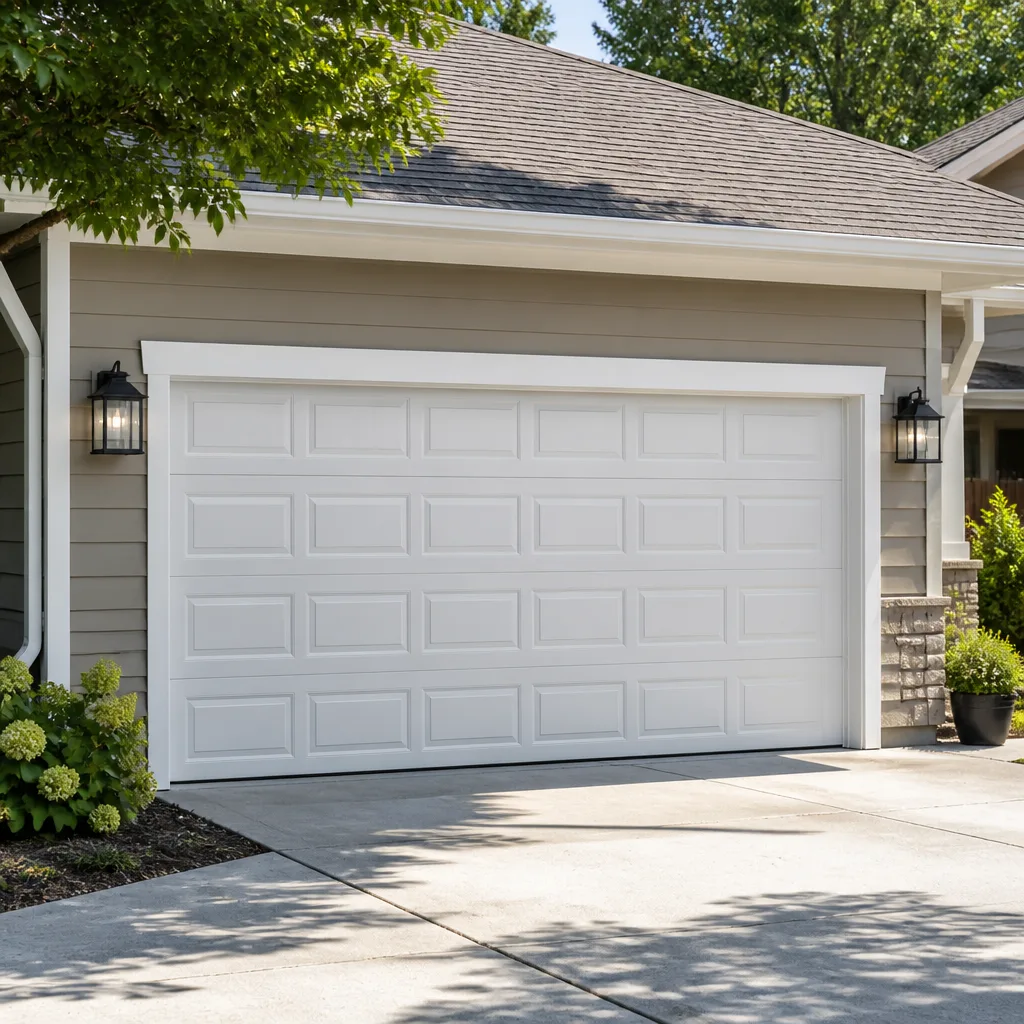 Raised-panel steel
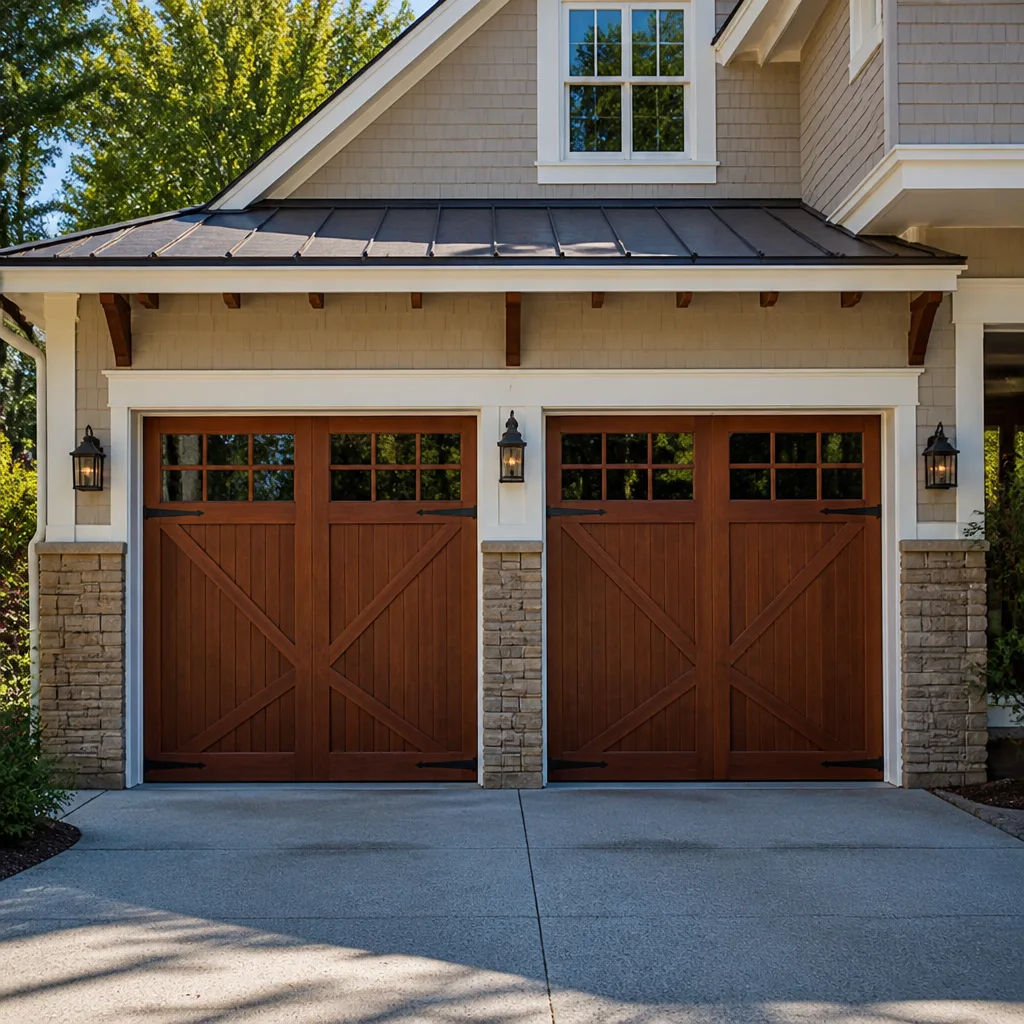 Carriage house
 Modern flush
 Full-view glass
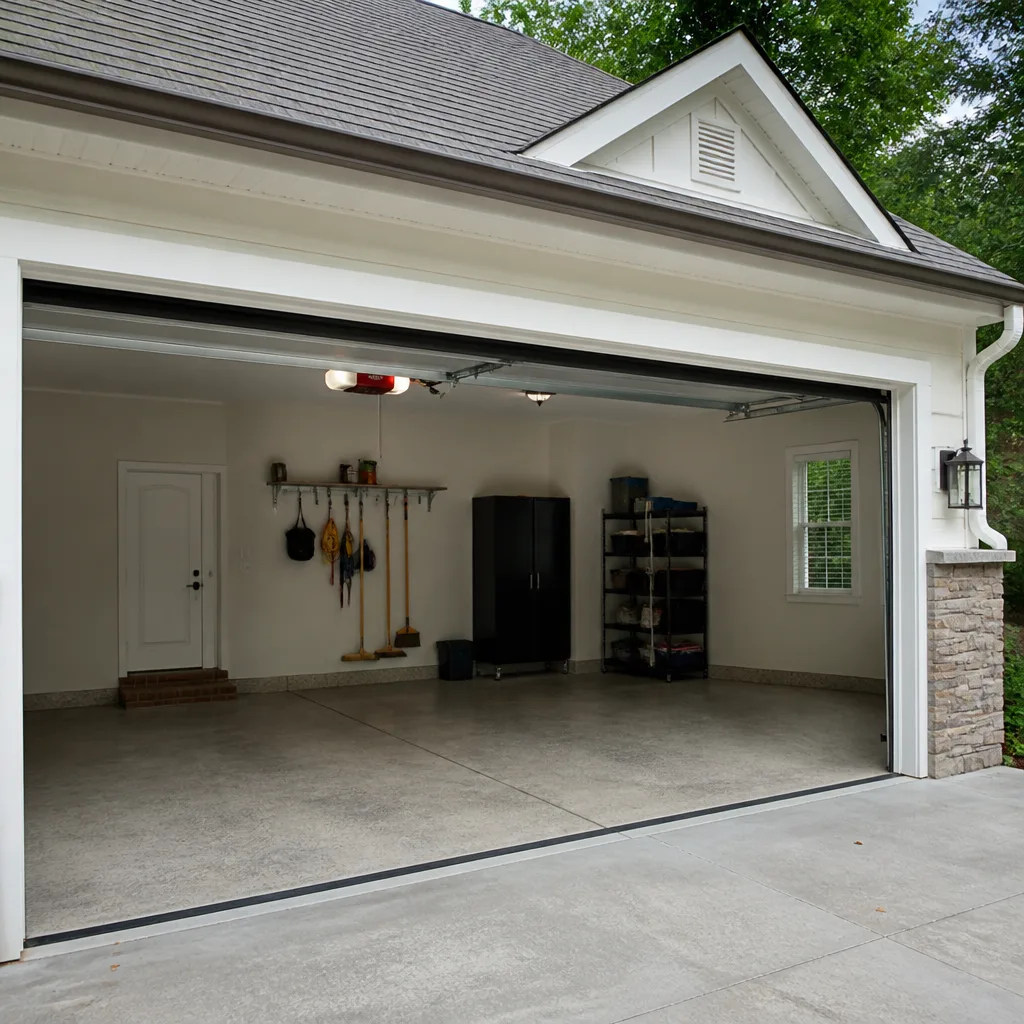 LiftMaster openers
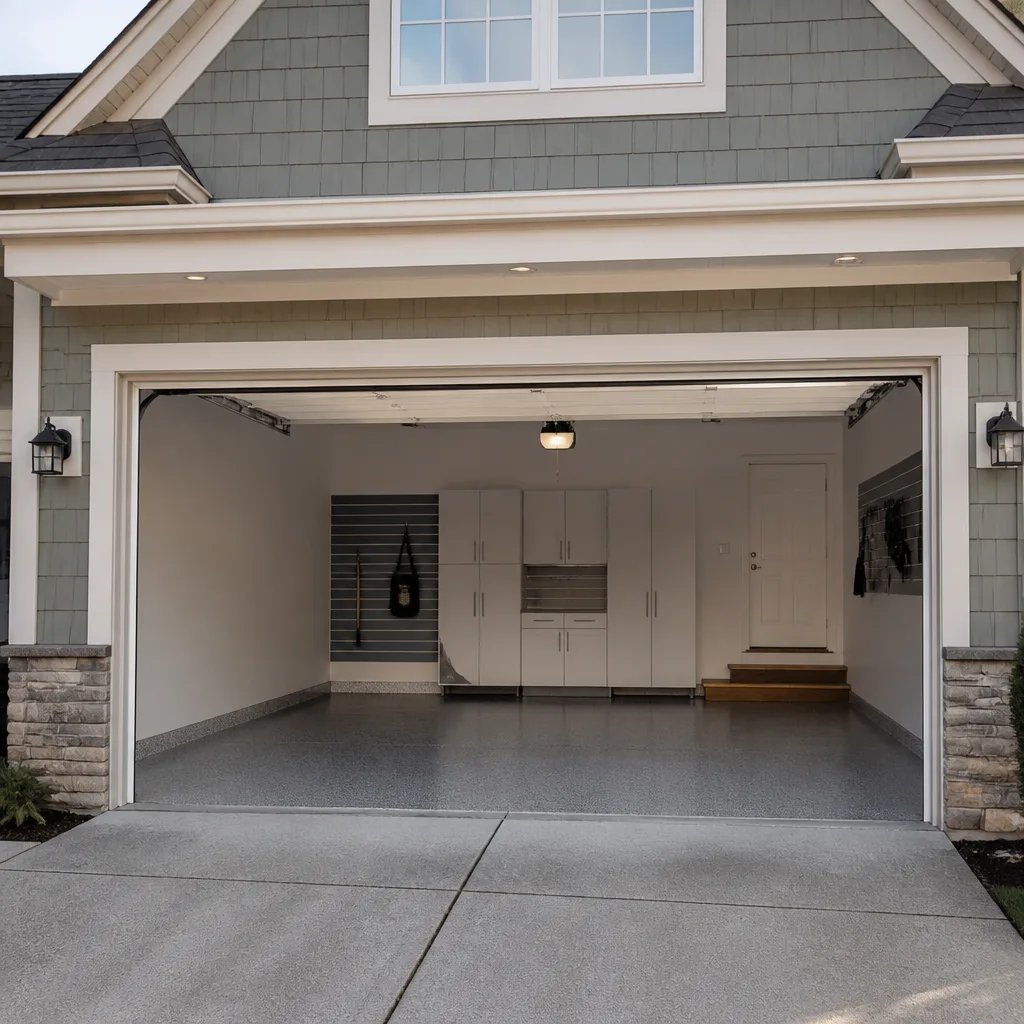 Chamberlain openers
Full 25-point door and opener safety check with every visit - springs, cables, rollers, tracks, and your LiftMaster or Chamberlain opener included
You get a price before we start. It does not change when the pro arrives.
Get your free estimateDIY vs Professional Garage Door: The Kempsville Homeowner’s Decision Guide
Search for “torsion spring replacement” and you’ll find hundreds of videos, forum threads, and blog posts walking you through the job. What almost none of them explain clearly is why this particular repair sits in a different category from anything else on your house. A torsion spring under full tension holds enough stored energy to break bones or worse if it releases when you’re not expecting it. That’s not a warning added for legal cover; it’s the actual physics of how the part works. This guide draws the line honestly: which garage door jobs in Kempsville are genuinely fine to do yourself, which ones you shouldn’t touch regardless of how handy you are, and how to run the real math on whether DIY actually saves you anything.
Quick Answer
Most garage door maintenance – lubrication, sensor cleaning, remote reprogramming, weatherstrip replacement, visual inspections – is safe and sensible to handle yourself. Anything involving the springs, cables, or the door’s balance system is a different question entirely. Those parts store and transfer serious energy, and a mistake can injure you or make the inevitable professional repair cost more than if you’d called first. In Kempsville, the deciding factor isn’t confidence or YouTube familiarity, it’s whether the task puts your hands near tensioned hardware.
Styles & brands we work with
- Raised-panel steel
- Carriage house
- Modern flush
- Full-view glass
- LiftMaster openers
- Chamberlain openers
Table of Contents
- The Daily Reality of a Kempsville Garage Door
- Jobs That Are Genuinely Fine to DIY
- The Physics of Torsion vs Extension Springs
- What a YouTube Video Actually Prepares You For
- Running the Real Math on DIY Savings
- Common Mistakes to Avoid
- When a Failed DIY Attempt Costs More
- When to Call a Professional
The Daily Reality of a Kempsville Garage Door
Kempsville isn’t a place where the garage is an afterthought. Drive through neighborhoods off Kempsville Road, around the Fairfield area, or out toward Centerville and you’ll notice the pattern: driveways are short, garages are attached, and for most households the garage door is the door the family actually uses. The front door is for guests. The garage is for groceries, kids’ backpacks, the dog, and getting to work on time.
That matters for this whole debate because it raises the stakes on downtime. A door that comes off its track or a spring that snaps on a Tuesday morning isn’t a weekend project you’ll get to eventually. It’s a car trapped in the garage and a house with a compromised opening. Kempsville homeowners who lean toward DIY are usually capable people, but they’re making the call under time pressure, which is exactly when DIY decisions get rushed.
There’s also a housing consideration. A lot of the housing stock here dates to the 1980s through the early 2000s, which means plenty of homes still have their original extension spring systems, and plenty more have already been converted to torsion. The two systems fail differently, and knowing which one you have is the single most important piece of information before you decide whether to touch anything yourself. Look above the door. A horizontal shaft running across the top with springs coiled around it is torsion. Two springs running parallel to the horizontal tracks, above them, along the sides, are extension springs.
One more local factor: Virginia’s humidity swings. Wooden door panels and weatherstripping move with the seasons here in a way they don’t in drier climates. That’s not a reason to call anyone – it’s a reason to check your weatherstripping and hinges a couple of times a year, which is exactly the kind of maintenance this guide will tell you to keep doing yourself.
Jobs That Are Genuinely Fine to DIY
A capable homeowner with a step ladder and a free afternoon can handle a meaningful share of garage door upkeep. We’re not going to pretend otherwise. Here’s the honest list of tasks where the risk is low, the tools are already in your garage, and calling someone out would be a waste of money.
- Lubrication. Hinges, rollers, the torsion shaft bearings, and the opener’s rail all benefit from a proper garage door lubricant. Avoid WD-40 as a general lubricant here; use a silicone-based or lithium spray designed for garage door hardware. Twice a year is plenty.
- Safety sensor cleaning and alignment. The two sensors near the floor at the door opening get dusty, get bumped by lawn equipment, and eventually get knocked out of aim. Wiping the lenses and checking that the indicator lights are steady, not blinking, is a five-minute job.
- Remote and keypad reprogramming. Whether you’ve got a LiftMaster or a Craftsman opener, reprogramming a remote or changing a keypad code is a manual-and-patience exercise, not a mechanical one. You won’t damage anything by trying.
- Weatherstrip replacement. The rubber or vinyl seal along the bottom of the door and around the frame wears down. Replacing it is a straightforward DIY job with the right width – measure the old strip before you buy.
- Visual inspection. Look at cables for fraying, hinges for cracking, and the balance of the door by disconnecting the opener and lifting it halfway by hand. If it won’t hold roughly in place, stop and call someone.
- Track wiping and debris clearing. Wiping dirt and cobwebs out of the tracks and clearing leaves from the threshold is easy maintenance. Bend the tracks with a hammer or a pry bar and you’ll create a bigger problem.
Notice what’s not on that list: springs, cables, brackets under tension, and anything requiring the door to be unweighted. Those aren’t DIY jobs with extra caution; they’re a different category altogether. More on why in the next section.
The Physics of Torsion vs Extension Springs
Torsion and extension springs do the same job – they counterbalance the weight of the door so a person (or an opener motor) can lift it – but they store their energy in different ways, and that difference changes the DIY risk profile significantly.
A torsion spring stores energy by twisting. When it’s wound to tension, a bar is holding a coil with hundreds of pounds of force behind it. Loosening or replacing one without the right winding bars and without knowing the correct number of turns for your door’s height and weight isn’t just difficult; a slip means that energy releases through whatever is holding the bar, usually your hand. There’s no partial version of this. It’s either done correctly under control or it’s a genuine hazard.
Extension springs stretch along the sides of the door and, on older systems, often don’t have safety cables running through them. Without cables, a snapped extension spring flies across the garage under load. Even on newer systems with cables, replacing one requires the door to be in a very specific position and both springs to be replaced together – mismatched springs on a two-spring door will cause the door to hang unevenly and load the opener prematurely.
Here’s the part most DIY guides skip: it’s not just about how skilled you are. It’s that the tools required – proper winding bars, a cable-holding vise grip, a door weight scale – are things a homeowner will use once and then store forever. Whether you have torsion or extension springs, the risk-to-reward math doesn’t work out for a one-time repair.
If you’re not sure which system you have or how old it is, garage door repair service typically starts with a diagnostic that tells you exactly what you’re working with and whether the existing setup has any deferred maintenance.
What a YouTube Video Actually Prepares You For
This isn’t a section telling you to stop watching tutorials. Watching a video before you attempt anything is smart, and a well-made tutorial on how to replace weatherstripping or reprogram a keypad remote is genuinely useful. The problem isn’t the format; it’s which jobs get presented as approachable.
A good video can teach you:
- The sequence of steps for a low-risk task
- What the correct part looks like versus a worn one
- What tools you’ll need and what a reasonable time estimate is
- What a “normal” symptom looks like versus a “stop and call someone” symptom
What a video can’t give you is the physical intuition that comes from having handled tensioned springs before. An experienced technician knows how a spring feels when it’s fully wound, recognizes the sound of a cable under the wrong load, and hears the difference between a door that’s binding and one that’s just noisy. That judgment is learned through repetition, and there’s no compressed version of it.
The other gap is diagnostic. Videos are specific to one system and one problem. If your door is making a grinding noise, a video on “grinding garage doors” might show you a torsion spring problem when the actual cause is a failing opener gear or a worn roller. In our experience, homeowners who start with a video and end up calling a technician do so because the video addressed a symptom they don’t actually have. Our garage door opener repair service routinely starts with a diagnosis issue rather than a mechanical one.
Watch the videos. Learn what you can. Just be clear-eyed about which jobs are teaching opportunities and which ones are hazards dressed up as tutorials.
Running the Real Math on DIY Savings
The honest answer on DIY savings is that for the low-risk tasks, you do save money – meaningfully. For the high-risk tasks, you usually don’t, once you count the full cost. Here’s how to run the numbers so you’re not just guessing.
Add up three things for any job you’re considering:
- Parts. Garage door parts ordered at retail (springs, cables, rollers, hinges, bearings) cost more per unit than a professional’s wholesale price. The professional’s markup on parts is baked into their labor pricing, so on a single-job basis, you’re usually not saving what you think on the parts side.
- Tools. Anything you don’t already own. Winding bars, a cable vise grip, a door weight scale, a torque wrench rated for the door’s load. If you’ll use the tool once, its full cost belongs in your savings calculation.
- Time. A task that takes a professional under an hour can take a careful first-timer most of an afternoon. That time has a value even if it’s not a dollar figure.
Then subtract the risk adjustment. Every hard-to-treat task has a chance of an injury or a mistake that makes the eventual professional repair more expensive. The risk adjustment isn’t a dollar amount you can calculate precisely; it’s the reason “X hours saved” isn’t a real savings figure if it comes with a meaningful chance of a much larger and slower repair.
Run that math on lubricating your hinges and it’s a clear win for DIY. Run it on replacing a torsion spring and the savings very often disappear. Our technicians have up to 8 years of experience, and that experience is exactly the part that doesn’t fit into a savings calculation. When you want an actual number for a specific job, Garage Door Repair Kempsville can price it out with a free estimate.
If you’re weighing whether to repair or replace the whole door, the same logic applies. A cost comparison on a replacement is worth getting in writing – our garage door installation service provides free written estimates.
Common Mistakes to Avoid
- Assuming torsion and extension springs are interchangeable. They’re different systems with different failure modes, and DIY advice written for one can be actively wrong for the other. Identify your system before you do anything.
- Replacing one spring on a two-spring door. On a door that uses a pair of springs, replacing only one leaves the pair mismatched, and the door will run unevenly and load the opener harder than it should. Springs are typically replaced as a matched pair.
- Using WD-40 as a long-term lubricant. It’s a great penetrating spray and a terrible hinge lubricant. Use garage-door-specific silicone or lithium spray instead.
- Bending or adjusting tracks to fix a rubbing door. A door that’s rubbing a track is usually a sign of a bigger issue – a worn roller, a bent panel, or a door that’s out of balance. Adjusting the track to mask it makes the eventual repair bigger.
- Ignoring the safety sensors because the door works. A dirty or misaligned sensor works fine until it doesn’t, and then the door reverses on a person or a car. Clean them and check them a few times a year.
- Calling in to buy a spring without knowing the door’s model. If you’re going to call for spring repair in Kempsville, the model of your door and the brand of your opener (LiftMaster, Chamberlain, Raynor – any of them) helps the technician bring the right part. It also makes the job faster, which is the better savings math.
- Assuming a rental quote covers the same work as a repair quote. Some rental garage door repairs in Kempsville are done to make the door pass rather than to fix the underlying cause. If you’re a homeowner, you want the fix, not the minimum.
When a Failed DIY Attempt Costs More
There’s a specific pattern to how DIY garage door attempts get more expensive. It’s not random. Here are the scenarios we see most often.
Partially replaced springs. A homeowner replaces one spring without replacing its partner. The repair call now includes a new matched pair plus the labor to rebalance the door, and the cost is roughly double what the original repair would have been.
Stripped torsion shaft hardware. Using the wrong winding tools can score the shaft or strip the set screws on the spring anchor bracket. That turns a spring replacement into a shaft and hardware replacement, sometimes requiring new end plates.
Opener damage from a door that’s out of balance. A door that’s not properly balanced forces the opener to pull weight it wasn’t designed for. The opener gear, the trolley, or the logic board can fail over the following weeks. Now it’s a spring repair plus a LiftMaster or Genie opener repair.
Injured fingers or hands. The most expensive version of a DIY attempt is the one where someone gets hurt. Beyond the medical cost, the door is now stuck in whatever position it stopped, which sometimes means the car is trapped in the garage.
In each of these, calling first would have been the cheaper path. That’s not a sales pitch – it’s what the numbers look like. A free estimate is often enough to tell you whether the job is small, big, or “please don’t touch this yourself.” Emergency garage door service exists precisely because sometimes the decision has already been made and the door is down.
When to Call a Professional
Call a professional when the job involves anything under tension, when the door won’t move or won’t hold a half-open position, or when the symptom isn’t obvious and you need an actual diagnosis. Specifically:
- A spring has broken, snapped, or is visibly bent
- A cable has frayed, come off its drum, or is slack
- The door won’t close evenly, or reverses halfway down
- The door has come off its track
- The opener runs but the door doesn’t move (or vice versa)
- Anything requiring you to unweight the door
Garage Door Repair Kempsville offers free estimates in Kempsville – call (844) 697-8393. We work with the door and opener you already have, across brands including LiftMaster, Chamberlain, Genie, Clopay, Amarr, Wayne Dalton, Craftsman, and Raynor. Our technicians have up to 8 years of experience, and spring repair is a standalone service we handle directly – we don’t push an upgrade you don’t need. When it can’t wait, emergency garage door service is a real offering, not an off-hours line you’ll leave a message on. One call covers the whole door, from the spring to the opener.
See the difference
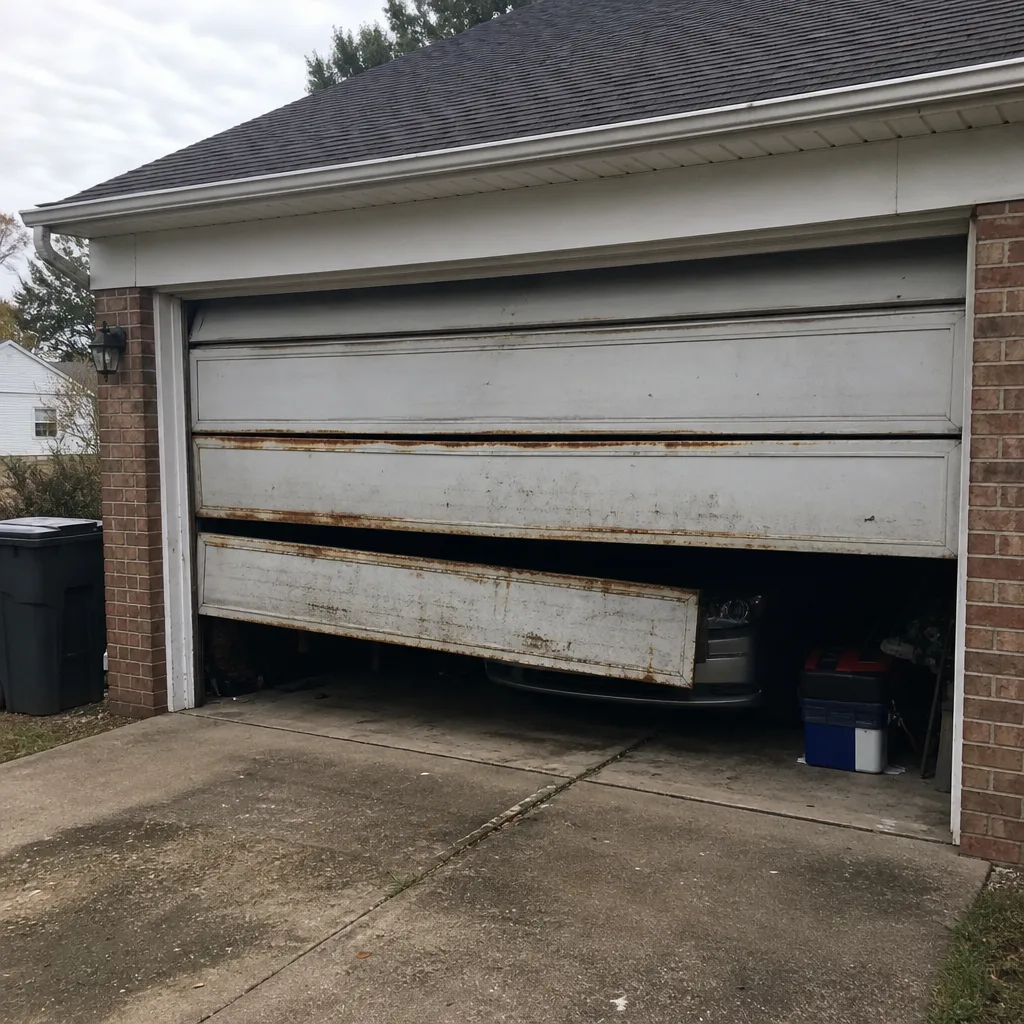 Before
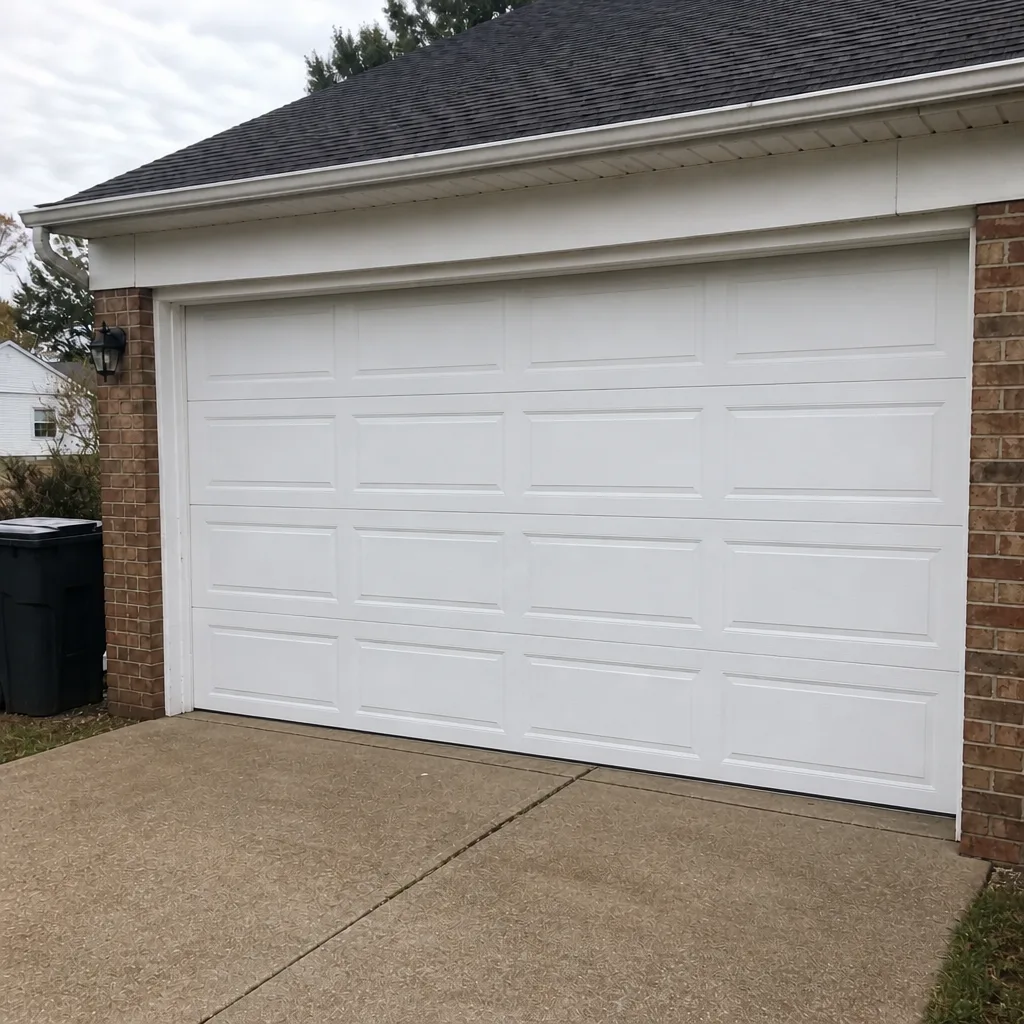 After
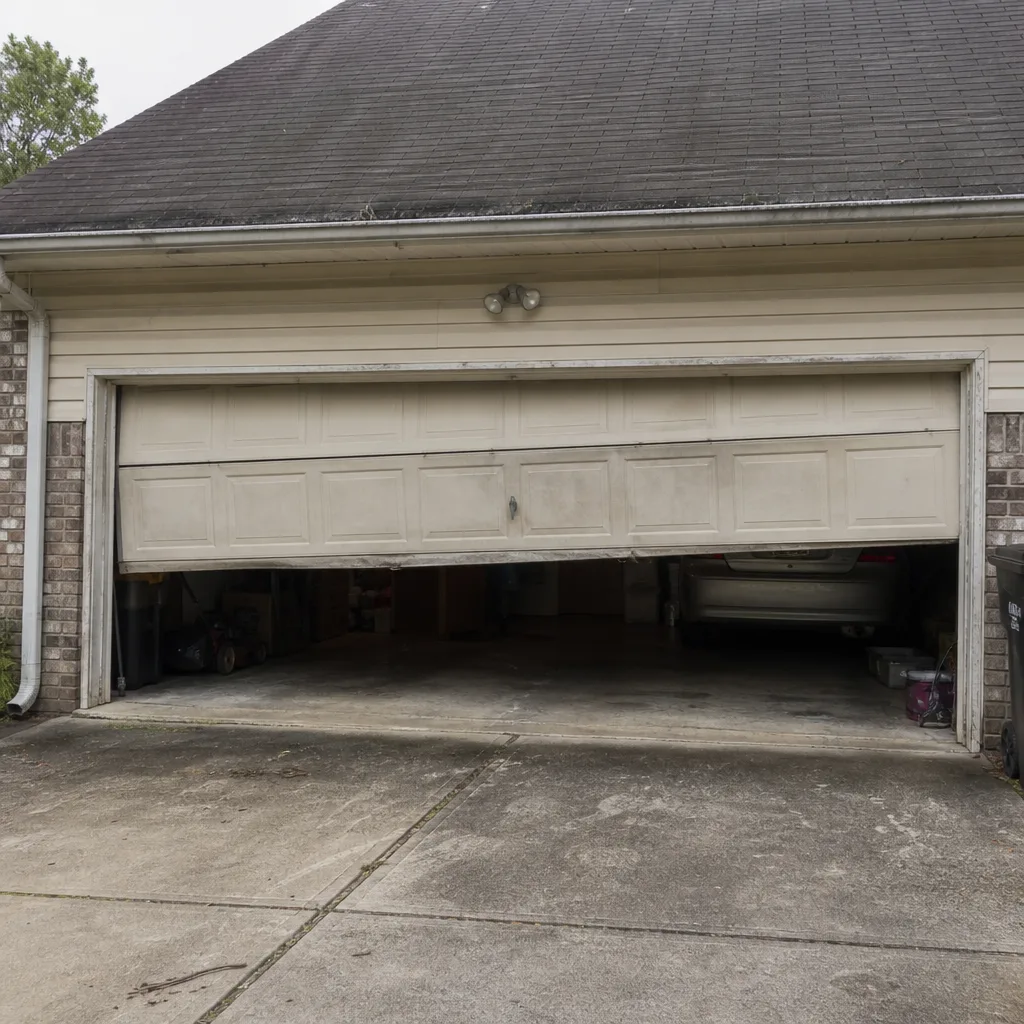 Before
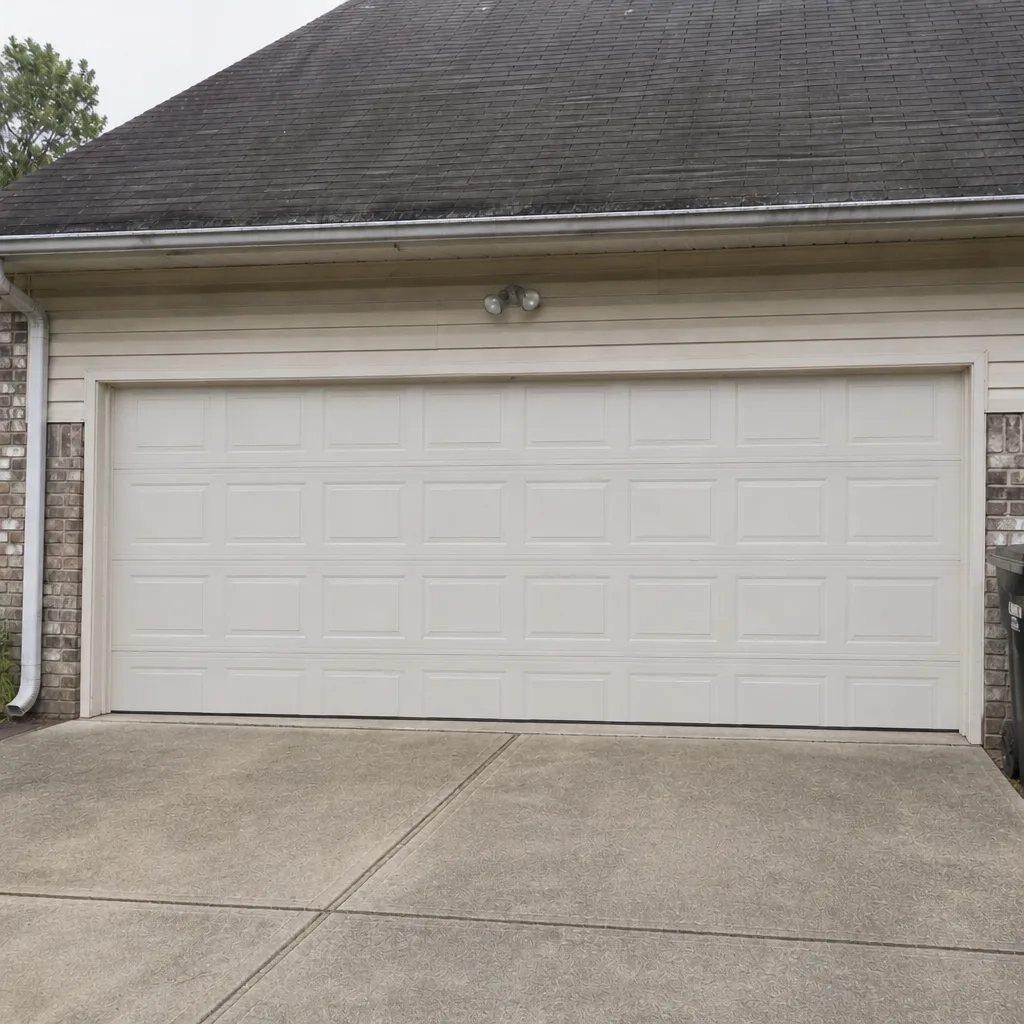 After
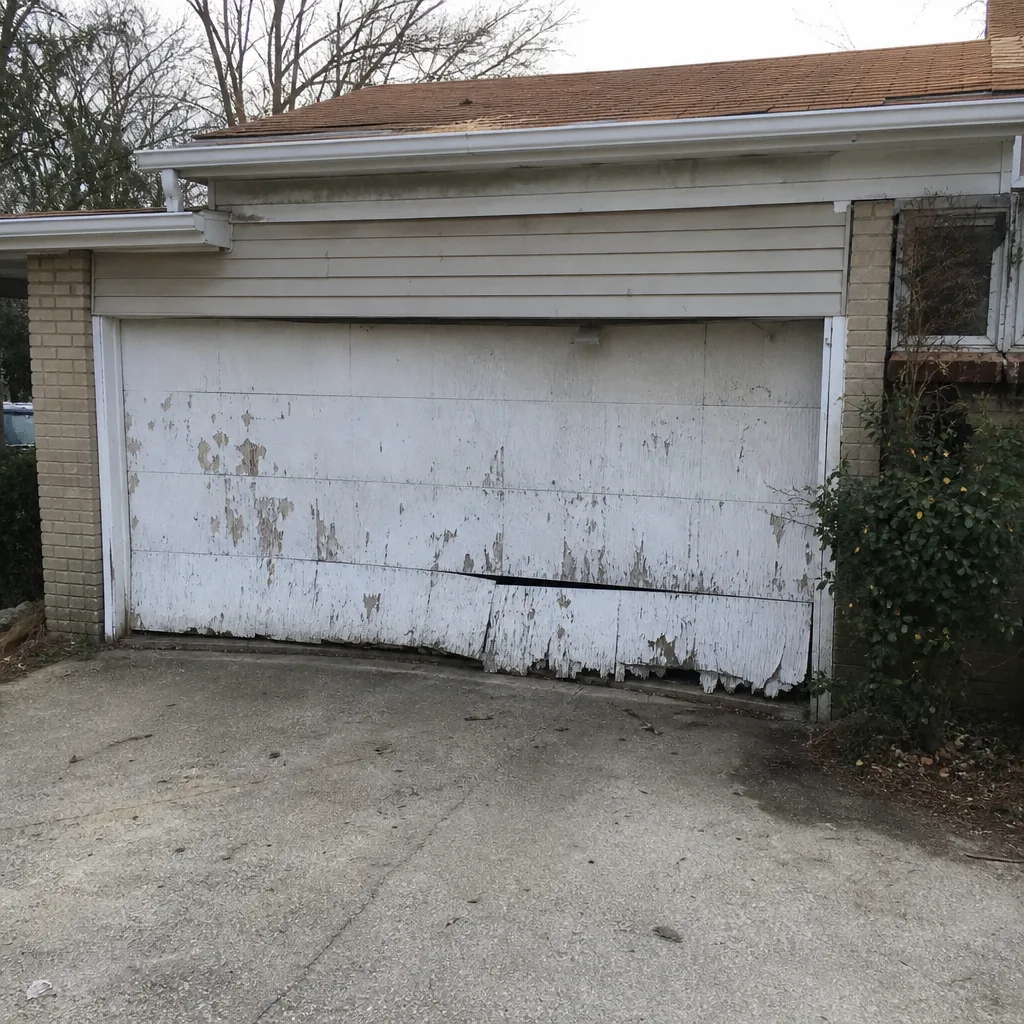 Before
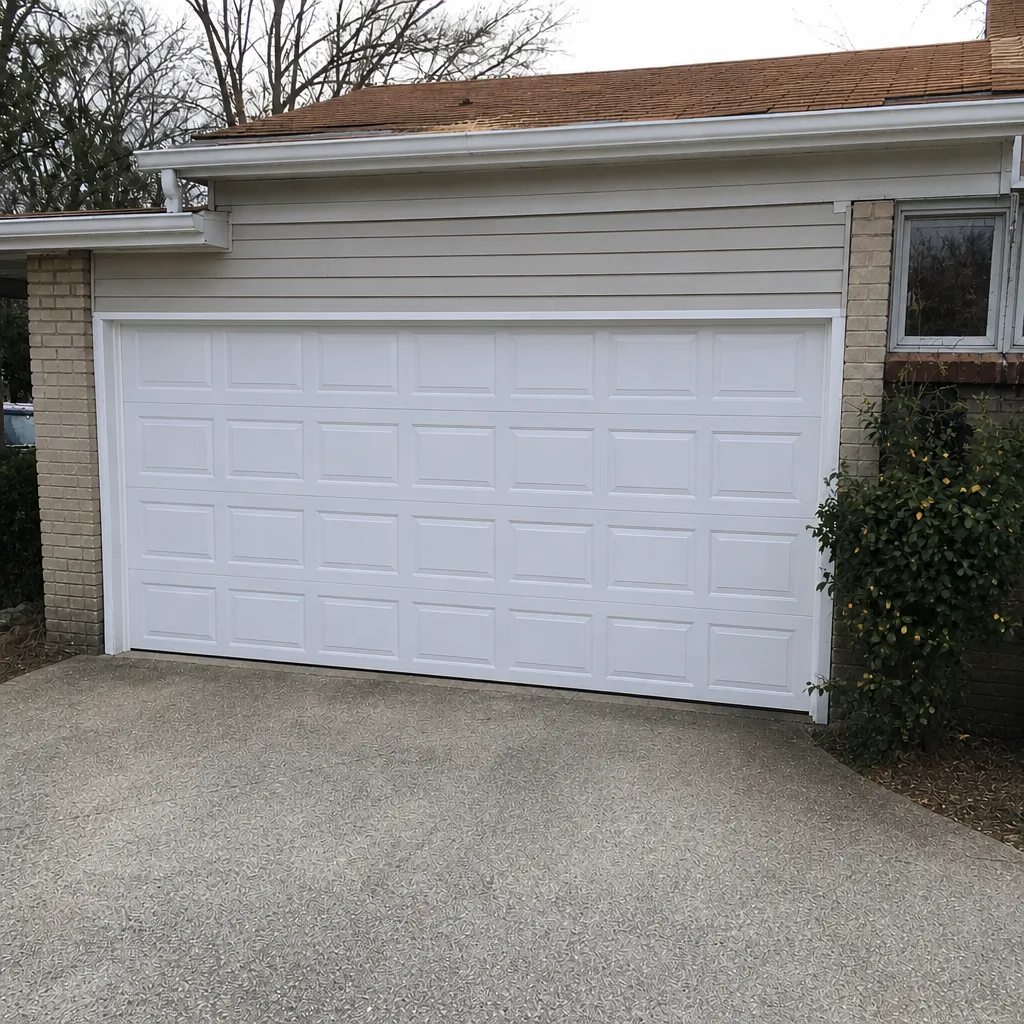 After
Frequently Asked Questions
No, and this is the one DIY answer we’re firm on. Torsion springs store enough tensioned energy to cause serious injury if released uncontrolled, and extension springs without safety cables can fly across the garage when they break. There’s no safe first-timer version of either repair. The tools and the training to do it correctly are both professional-grade. If a spring has broken, call (844) 697-8393 for a free estimate.
It depends on the job. Diagnostic visits and small repairs (sensor alignment, roller replacement, opener reprogramming) are typically at the lower end, while spring replacement, cable repair, or opener motor replacement sit higher. Every quote is written and agreed before any work starts, so you’ll know the number before we begin. Call (844) 697-8393 for an exact quote – estimates are free.
No. The written estimate is the agreed price. If the technician finds something different than expected, they’ll show you the issue and give you a revised estimate before doing any additional work. You won’t get a bill for something you didn’t agree to.
Lubrication, sensor cleaning, remote reprogramming, weatherstrip replacement, and visual inspection. Those tasks involve no tensioned parts and no risk of the door coming down unexpectedly. Anything involving springs, cables, or unweighting the door is a professional job, even for a confident DIYer.
Yes – the local pro is licensed and insured as their state requires. That matters on a high-risk repair like spring replacement, where the work itself has real physical hazards and where the technician’s training is the safety margin. Call (844) 697-8393 for a free estimate.
Often, yes. Emergency garage door service is a real offering, and a door that’s stuck open or stuck closed is exactly what it’s for. Fast dispatch runs from 7am to 7pm. Call (844) 697-8393 and describe what’s happening with the door and opener – we’ll tell you what’s available.
The Bottom Line
The DIY-versus-pro question on garage doors comes down to one thing: whether the task puts you near tensioned hardware. Lubrication, sensor cleaning, weatherstrip replacement, and remote reprogramming are genuine DIY wins – do them, and do them regularly. Springs, cables, and anything requiring you to unweight the door are not DIY-appropriate no matter how skilled you are, because the risk isn’t about skill, it’s about stored energy and tools you’ll use once. Run the real math (parts, tools, time, risk) before deciding, and if you’re on the fence, remember that a free estimate costs nothing and a failed attempt usually costs more than the original repair would have. Our technicians have up to 8 years of experience and work across all major brands – LiftMaster, Chamberlain, Genie, Clopay, Amarr, Wayne Dalton, Craftsman, and Raynor. If you’re in Kempsville and want a straight answer on whether your project is a DIY one, call Garage Door Repair Kempsville at (844) 697-8393 for a free estimate. The written quote is the price, and the conversation costs you nothing.
Written by the team at Garage Door Repair Kempsville.