Last updated November 21, 2026
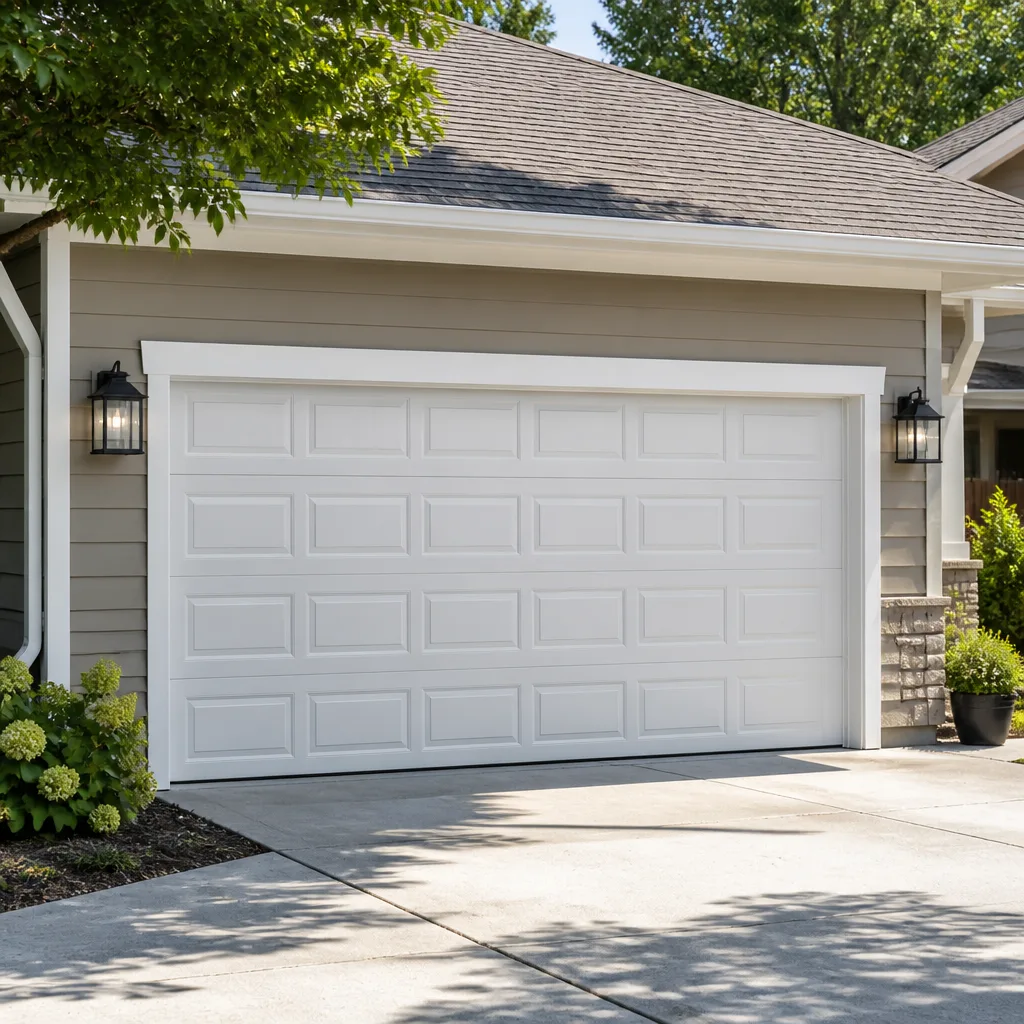 Raised-panel steel
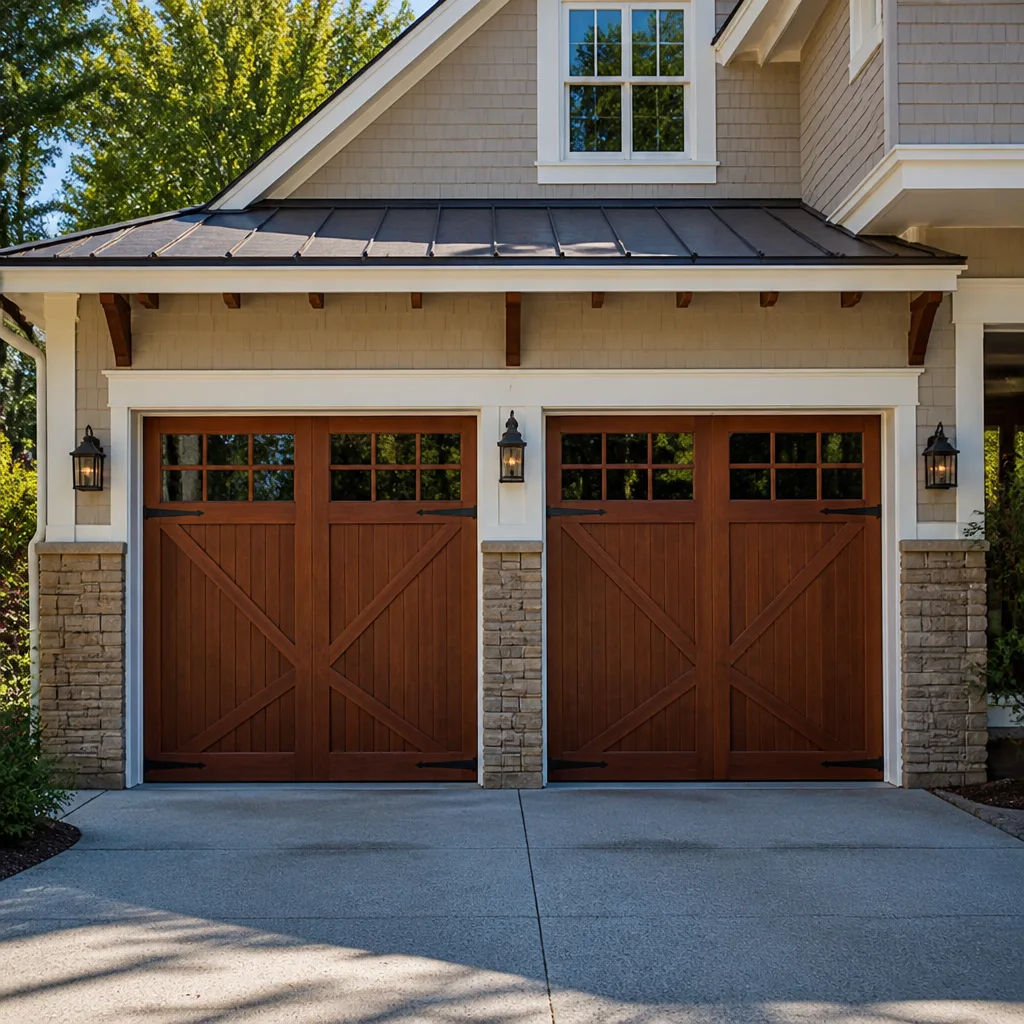 Carriage house
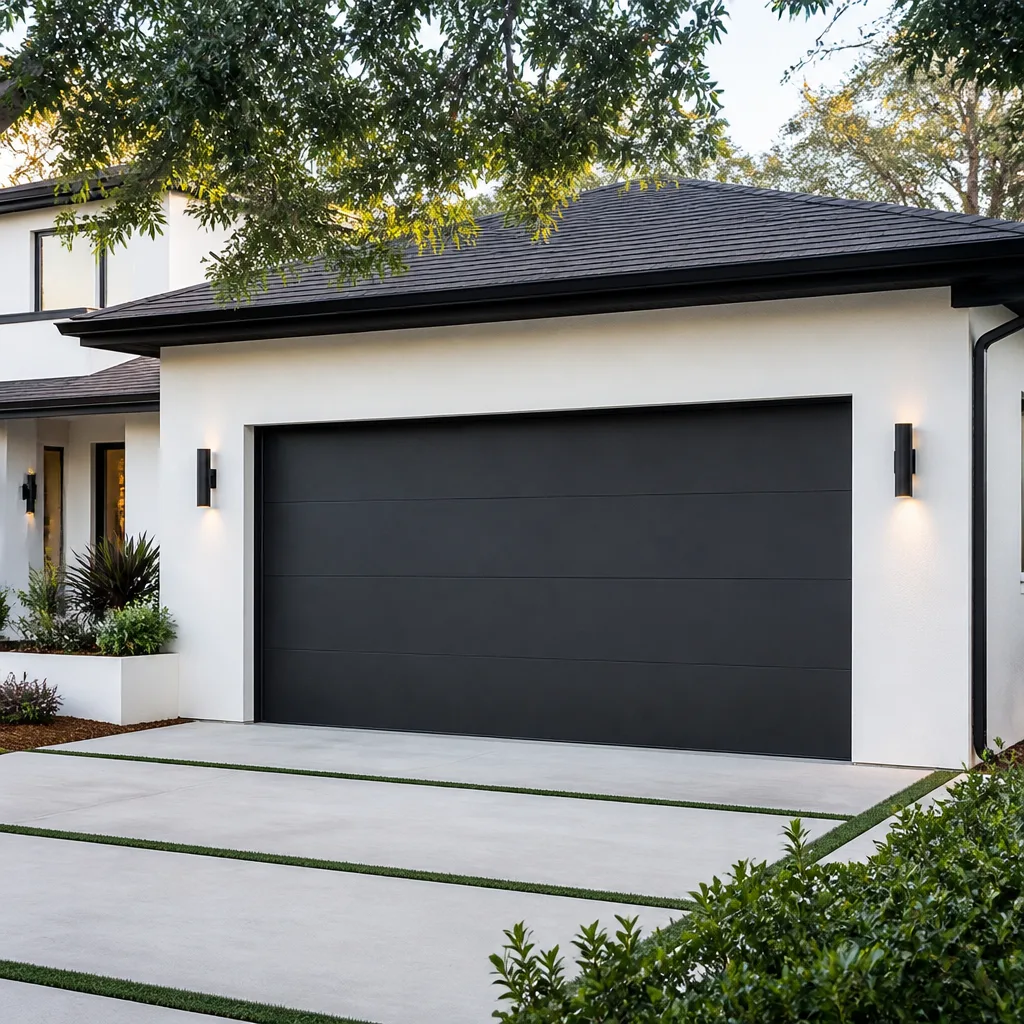 Modern flush
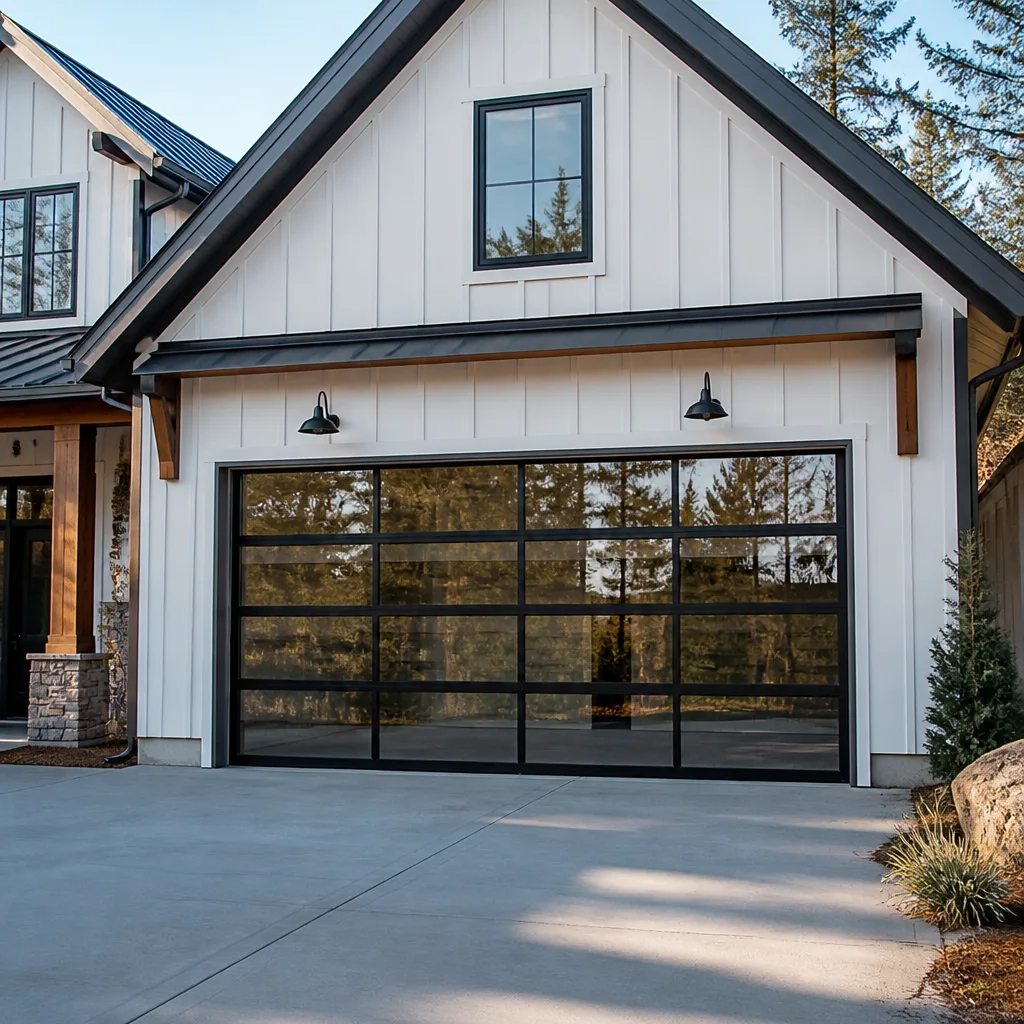 Full-view glass
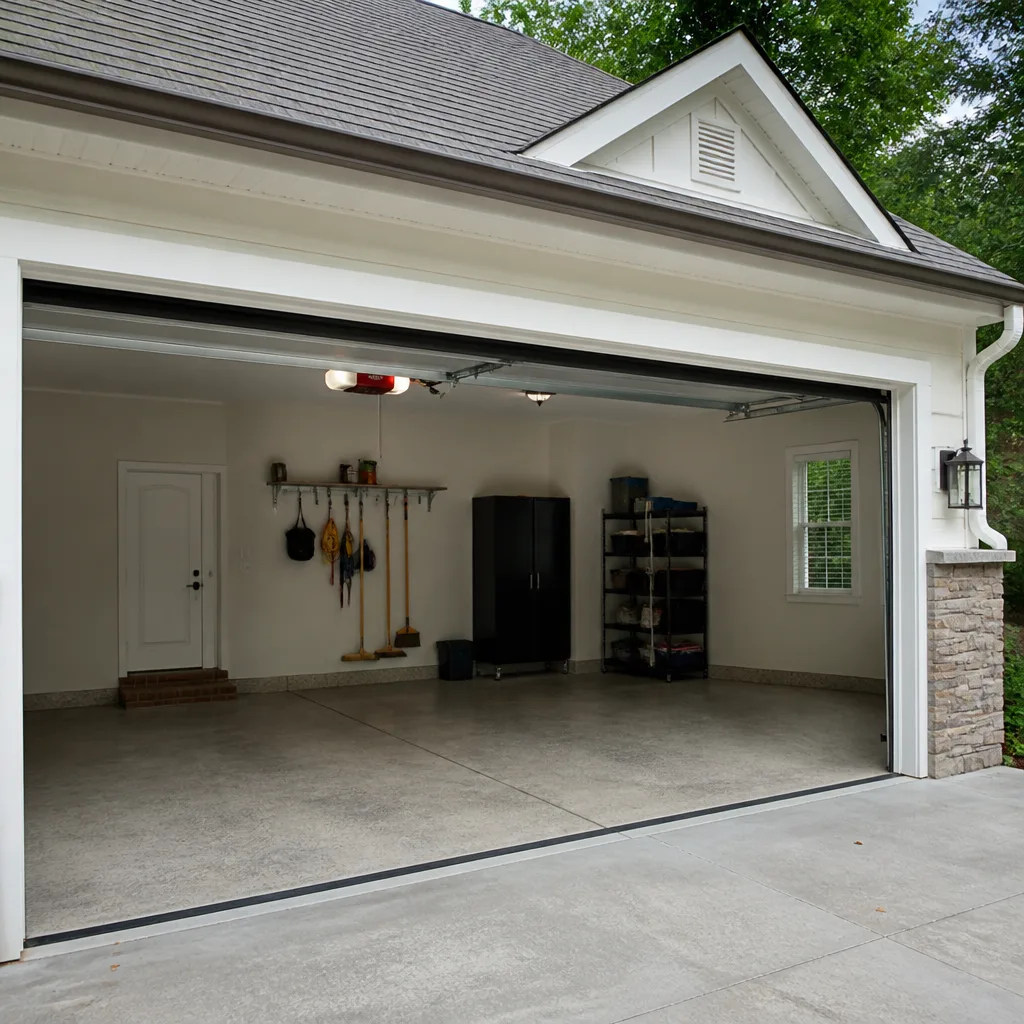 LiftMaster openers
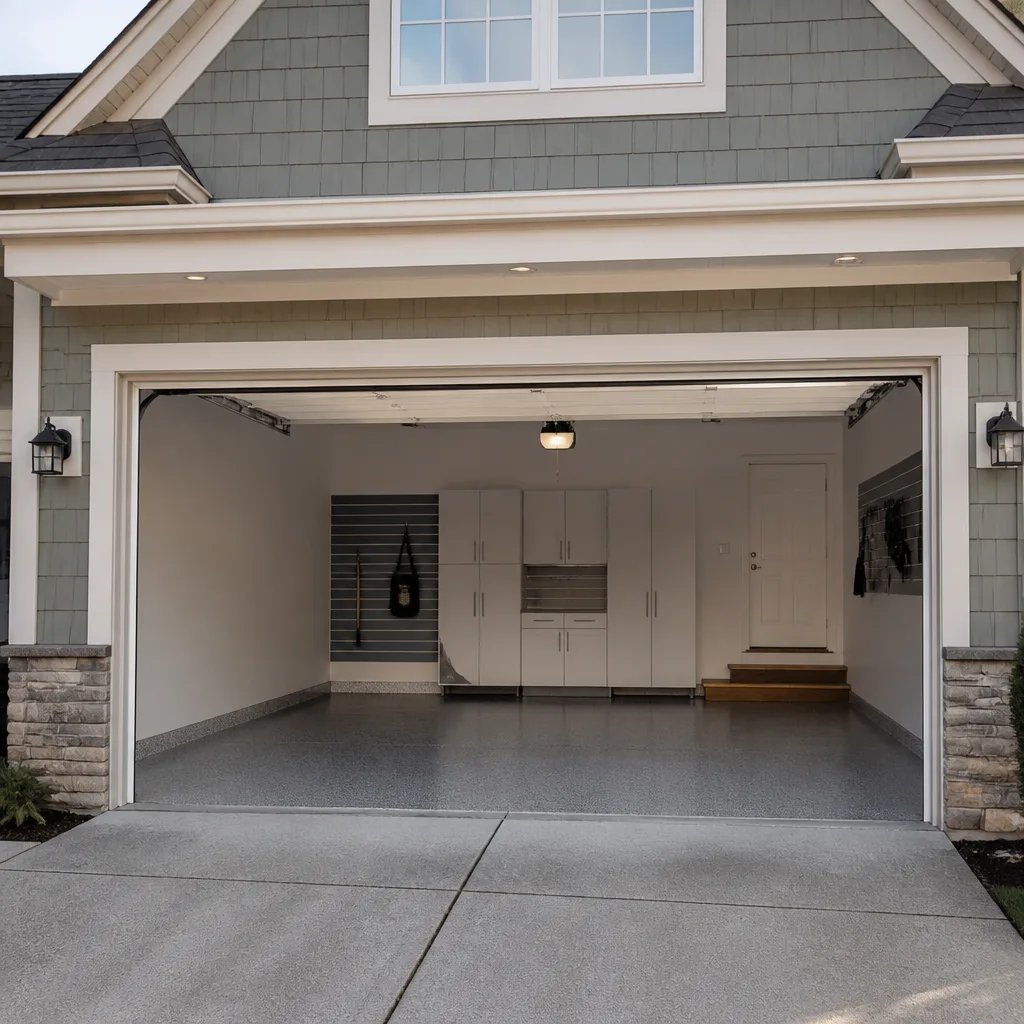 Chamberlain openers
Full 25-point door and opener safety check with every visit - springs, cables, rollers, tracks, and your LiftMaster or Chamberlain opener included
You get a price before we start. It does not change when the pro arrives.
Get your free estimateThe Complete Guide to Garage Doors in Kempsville
Most garage door guides are written for a house that doesn’t exist here. They describe a dry, mild suburb where a door sits untouched for decades and a spring quietly gives out on a Tuesday. Kempsville isn’t that place. A significant share of homes here went up between 1975 and 1995, which means a lot of the doors in this neighborhood are running on hardware that’s 20 to 30 years old – well past the roughly 10,000-cycle lifespan of a standard torsion spring. Add the humidity that hangs over this part of Virginia and the math gets shorter, not longer. In this guide we’ll walk through the housing stock and door styles you’ll actually find in Kempsville, how the local climate treats springs and tracks, how to read the label on the door you already own, and how to tell a repair from a replacement without anyone pushing you toward the second one.
Quick Answer
A garage door in Kempsville is a mechanical system with a finite lifespan, and most doors here are older than their owners assume. If your door is loud, slow, uneven, or has never had its springs and rollers looked at, the smart move is a professional inspection before something fails with a car trapped inside. Repair is usually the right call when the panels and structure are sound; replacement makes sense when the door itself is worn out. Either way, the whole system – door, springs, tracks, opener – should be assessed together, not one piece at a time.
Styles & brands we work with
- Raised-panel steel
- Carriage house
- Modern flush
- Full-view glass
- LiftMaster openers
- Chamberlain openers
Table of Contents
- Why Kempsville’s Housing Stock Shapes Everything About Your Door
- How Kempsville’s Humidity Treats Springs, Tracks and Seals
- The Door Styles You’ll Actually See in Kempsville
- Single-Car vs. Double-Car Doors: Where Each One Fails
- How to Read Your Door’s Manufacturer Label Before You Call
- Repair or Replace? An Honest Way to Decide
- Springs: The Most Dangerous Part of the System
- Your Opener and the Brands That Live in Kempsville Garages
- Common Mistakes to Avoid
- When to Call a Professional
Why Kempsville’s Housing Stock Shapes Everything About Your Door
Kempsville grew up through a stretch of decades, and its subdivisions tell that story in the garage. The homes built between 1975 and 1995 – a large slice of the neighborhood – were framed with standard single and double bays that fit the door sizes every major manufacturer still produces. That’s good news for parts. A Clopay or Wayne Dalton door from the mid-1980s uses dimensional profiles that remain available today, so a damaged section can often be matched rather than forcing a whole-door replacement.
The harder truth is about what’s behind the panels. When a door installed in, say, 1988 has never been fully serviced, the torsion spring, rollers, hinges and bearings are all original. That hardware has cycled tens of thousands of times if the garage is the main entry – which, in Kempsville, it usually is. The average family opens and closes the door four to six times a day, and the math compounds over three decades.
We’ve seen this pattern repeat across Kempsville neighborhoods because the build timeline was so consistent. What that means practically:
- Original doors are often structurally sound but mechanically worn out.
- Panel profiles from the 1980s and 1990s remain matchable for major brands.
- Springs on unserviced doors are frequently well past their rated cycle life.
- Openers from the era are often still running but lack modern safety features.
The takeaway is simple: the door on your Kempsville home may look fine and still be a mechanical liability. Age isn’t visible from the curb.
How Kempsville’s Humidity Treats Springs, Tracks and Seals
Kempsville sits in Virginia’s humid belt, and that has a real, measurable effect on garage hardware. A garage is an unconditioned space – it swings between the heat of a summer afternoon and the cooler night, and it pulls in the damp air that settles over the region. Every one of those cycles leaves a little condensation on bare metal. Over months and years, that condensation becomes rust, and rust becomes friction, and friction becomes a door that grinds, sticks, or snaps a spring early.
Here’s where this climate bites hardest:
- Torsion and extension springs corrode at the coil, which weakens them and shortens their cycle life compared with a dry climate.
- Steel tracks develop surface rust that grabs the rollers and makes the door jump and shudder.
- Rollers and bearings lose lubrication faster in humid air and start to squeal or seize.
- Bottom seals and side weatherstripping crack, harden and pull away, letting damp air and pests in.
- Hinges and fasteners rust at the pivot points, adding resistance the opener has to fight.
What we do about it in practice is routine lubrication on the moving parts and a close look at the springs and tracks at every service visit. If a door in Kempsville is treated to two lubrication passes a year and a spring inspection, it will outlast a neglected door in the same neighborhood by a wide margin. That’s the local maintenance rhythm this climate rewards.
The Door Styles You’ll Actually See in Kempsville
Walk any Kempsville subdivision and you’ll notice the palette repeats. The most common door here is a raised-panel steel door in a single or double width, painted to match the trim, sized 8 or 9 feet wide for a single bay and 16 feet for a double. Sectional steel is the default because it’s durable, insulates reasonably, and comes from every major brand.
Beyond the default, a few styles show up enough to matter for parts availability:
- Raised-panel steel: the standard. Panels are stamped and interchangeable within a manufacturer’s line for years at a stretch.
- Carriage-house style: decorative hardware and window inserts on a steel door. Popular on homes updated in the last two decades.
- Wood and wood-composite: less common but present on older custom homes. These need more attention in humidity.
- Fiberglass and aluminum: lighter doors on some single bays. Rollers and hinges matter more here because the panels weigh less and can rattle.
Why this matters for you: parts availability follows the profile, not the paint color. If your door is a standard raised-panel steel section from a brand like Clopay or Amarr, matching a damaged panel is usually straightforward. If it’s a discontinued wood-composite or a one-off custom profile, replacement of the section can mean sourcing or fabricating, and a full door replacement may actually be the cleaner path. Knowing what you have before anyone quotes you is half the battle.
Single-Car vs. Double-Car Doors: Where Each One Fails
A single-car door and a double-car door look like the same machine at different widths, but they fail in different places and for different reasons. Understanding which you own tells you what to watch – and what a technician will be checking.
Single-car doors (typically 8 to 9 feet wide) are lighter and cycle faster. They tend to:
- Wear out opener gears and drive belts sooner because the door is lighter and cycles more frequently per household.
- Develop roller and hinge issues on the outer edges, where the shorter door twists slightly as it lifts.
- Lose alignment on the tracks more easily, since a lighter door is more sensitive to a bent rail.
Double-car doors (typically 16 feet wide) are heavier and carry more load per cycle. Their distinct failure points:
- Springs carry roughly double the weight, so the springs and cables wear differently and need proper tension balance.
- Center hinges and the center stile take more stress and can crack or loosen over time.
- Track spread is a bigger issue – the wider the door, the more the side tracks can bow out of parallel.
- Openers on double doors work harder and benefit from a properly matched horsepower rating.
In Kempsville, many subdivisions have a mix of both, and the age of each type in the same block can differ by a decade. Whatever you own, the system should be evaluated as a whole, because a worn spring on a double door and a worn opener on a single door can both leave you stuck – just for different reasons.
How to Read Your Door’s Manufacturer Label Before You Call
Before you call anyone for garage door repair, take two minutes to find the manufacturer label on your door. It tells the technician what system they’re dealing with, and it saves you a diagnostic round-trip. The label is usually a sticker or stamped plate, and it’s placed consistently across the major brands.
- Look on the top section, inside the garage. The manufacturer label is commonly affixed to the inside face of the top panel, near the center or a corner.
- Read the brand and model line. You’ll see the make (Clopay, Amarr, Wayne Dalton, Raynor, and so on) and a model or series number. Note both.
- Find the date of manufacture. Most labels include a production date or a serial number that encodes it. A four-digit year is a strong clue to the door’s age.
- Check the section profile and gauge. Some labels note the panel profile and steel gauge – useful if you need a matching section.
- Photograph the label. A phone photo of the sticker is faster than transcribing numbers, and it lets you share exact details with whoever you call.
If there’s no label, look for a stamped logo on the hardware or on the end stile of a section. If you still can’t identify it, a technician can often recognize the profile from the panel shape alone. Knowing the make and approximate year is real information that changes how the repair gets scoped – and it’s the kind of detail that lets a repair-first approach actually work, because the technician knows what’s compatible before arriving.
Repair or Replace? An Honest Way to Decide
This is where a lot of guides get pushy. Replacement is sometimes the right call, but it’s often the wrong one, and the decision should rest on the door’s condition rather than on a sales target. Here’s how we frame it honestly.
Lean toward repair when:
- The panels are structurally sound with no significant dents, rust-through or rotting.
- The tracks are straight and the framing is solid.
- The failure is mechanical – a spring, a cable, a roller, an opener gear – not a structural one.
- The door is a standard profile for which matching parts are still produced.
Lean toward replacement when:
- Multiple panels are damaged, warped or rusted through.
- The door is a discontinued or custom profile that can’t be matched.
- The tracks are bent beyond adjustment or the framing has settled.
- The door has reached the end of its mechanical life and repairs would only buy months, not years.
In our experience in Kempsville, the majority of older doors fall into the repair category because the structure is fine and the hardware is what’s worn. A repair-first approach means we recommend what your existing system actually needs, not the product line we’d rather sell. That’s a philosophical choice as much as a technical one, and it’s the way we run every visit.
Springs: The Most Dangerous Part of the System
Springs are the most dangerous component in your garage door system, and this is where we slow down and get careful. A torsion spring stores an enormous amount of energy – enough to launch a door, and enough to seriously injure someone who tries to release or adjust it without training. When a spring breaks, the door can come down hard on whatever or whoever is under it. A cable can whip loose under tension.
Because of that, this part of the guide is about what to check and how a proper repair works, not how to do it yourself. If you’re going to get your hands near the springs, don’t. Call a professional.
What a professional spring repair involves:
- Secure the door in a fully open position with locking pliers or C-clamps on the track, so it can’t drop.
- Measure the existing springs – wire size, inside diameter, and length – so the replacement matches the door’s weight.
- Release tension safely using the correct winding bars and procedure.
- Install matched springs – a matched pair is usually replaced together, so a pair costs about twice the price of a single spring.
- Re-tension and balance, then test the door through several full cycles.
Most doors use either a single torsion or extension spring, and a matched pair is usually replaced as a set because a worn spring working against a new one strains both. Spring repair on its own is a repair category many generalists avoid or outsource – the tools and training are specific. In Kempsville, that’s why we handle spring repairs in-house, with the full procedure done in one visit.
Your Opener and the Brands That Live in Kempsville Garages
The opener is the part of the system you interact with most and think about least. Most Kempsville openers are chain- or belt-drive units from one of the major brands, and because the door was installed alongside the opener, you’ll usually find a name like LiftMaster, Chamberlain or Genie mounted on the ceiling. A newer belt-drive from LiftMaster has a very different failure signature than a chain-drive from the 1990s, and a technician who knows the model saves time on diagnostics.
Common opener issues we see:
- Gear and sprocket wear on older chain-drive units – the opener runs but the door barely moves.
- Safety sensor misalignment that stops the door mid-travel – a frequent and inexpensive fix.
- Remote and keypad programming that drifts after a power surge.
- Limit switch drift that changes how far the door travels.
- Belt and screw-drive noise that points to lubrication or a worn idler.
When an opener needs a repair, the right answer is almost always to work with the model you already own rather than to swap it. We service openers across the major brands – a LiftMaster and a Genie are both familiar ground – because the repair should follow your system, not the other way around. Openers are also the least invasive thing to service, so if you’re hearing a new sound from the ceiling, it’s worth a look before the noise turns into a door that won’t open at all.
Common Mistakes to Avoid
- Using the opener to diagnose a stuck door. If you force the opener against a jam and the motor is straining, you’re compounding a mechanical problem into an opener problem. Stop and diagnose the door itself first.
- Treating a broken spring as a DIY job. The energy in a torsion spring is dangerous. A spring can break with a rifle-shot noise and injure anyone near it – call a professional, don’t attempt the repair.
- Skipping lubrication because the door “seems fine.” In Kempsville’s humid air, bare metal rusts between visits. Lubricating the moving parts a couple of times a year is the cheapest maintenance you can do.
- Replacing an opener to fix a door problem. A door that drags or won’t close is usually a spring, track or roller issue. A new opener won’t fix a worn spring, and it’s an expensive misdiagnosis.
- Ignoring a building that’s settled unevenly. An older home can have a garage framing that’s out of square, which misaligns the tracks and makes the door bind. The solution is straightening the track or the framing, not adjusting the door endlessly.
- Calling a single-brand dealer for a multi-brand door. If your door is a Clopay and your opener is a Genie, you want a technician who works across both, not one who only stocks their own line.
- Waiting for total failure. A door that’s loud, slow or uneven is telling you something. Waiting for it to fail completely usually means you’re dealing with an emergency, which is the wrong time to make a considered decision.
When to Call a Professional
Most garage door problems fall into a category where a trained technician will save you time, money and risk. Call a professional when a spring has broken or you hear a loud snap; when the door is off its track or hanging crooked; when the door won’t close all the way or reverses immediately; when the opener is grinding or the door moves in jerks; or when the door is simply louder than it used to be and you can’t tell why. Any repair involving the tensioned parts of the system – springs and cables – is not a homeowner job. A stuck door blocking a car or leaving the garage open is exactly the kind of problem a Garage Door Repair Kempsville technician handles, including when it can’t wait. Garage Door Repair Kempsville offers free estimates in Kempsville – call (844) 697-8393 to get an appointment and a written price.
See the difference
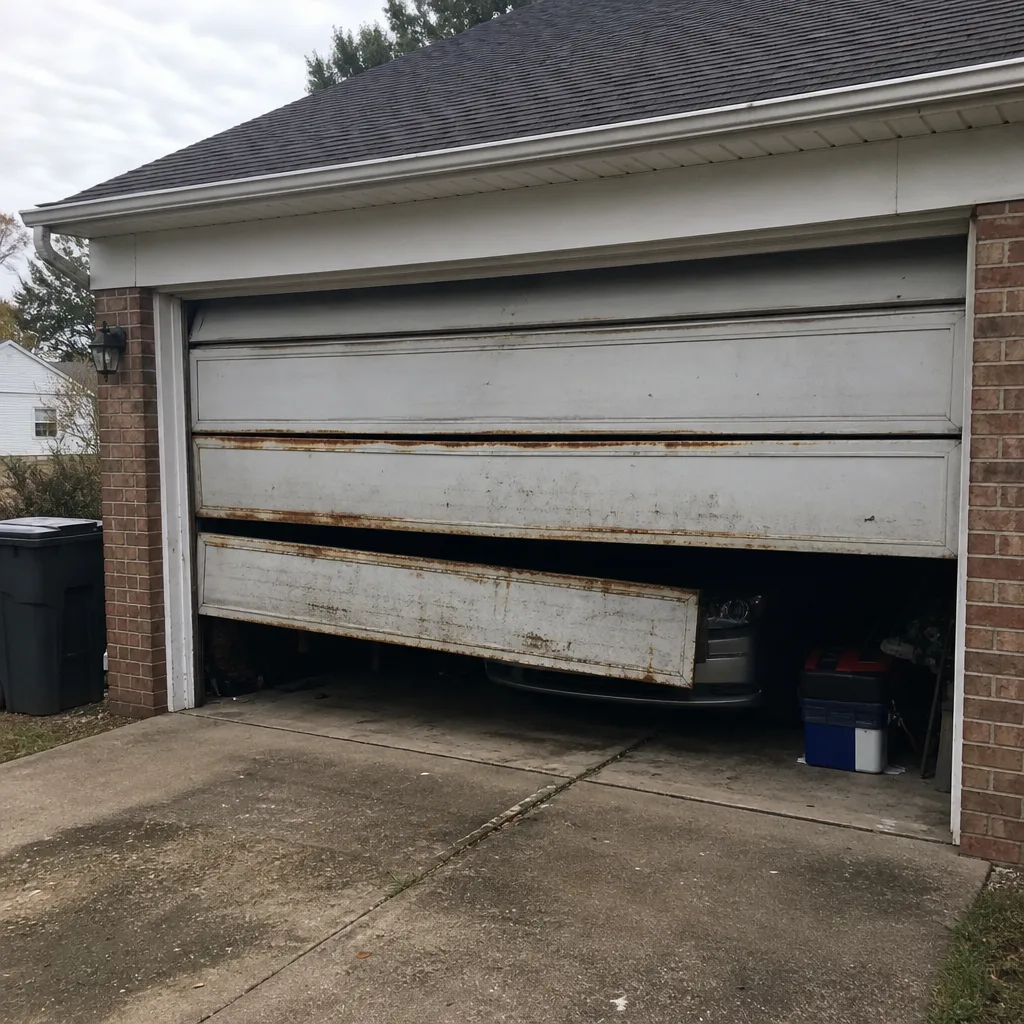 Before
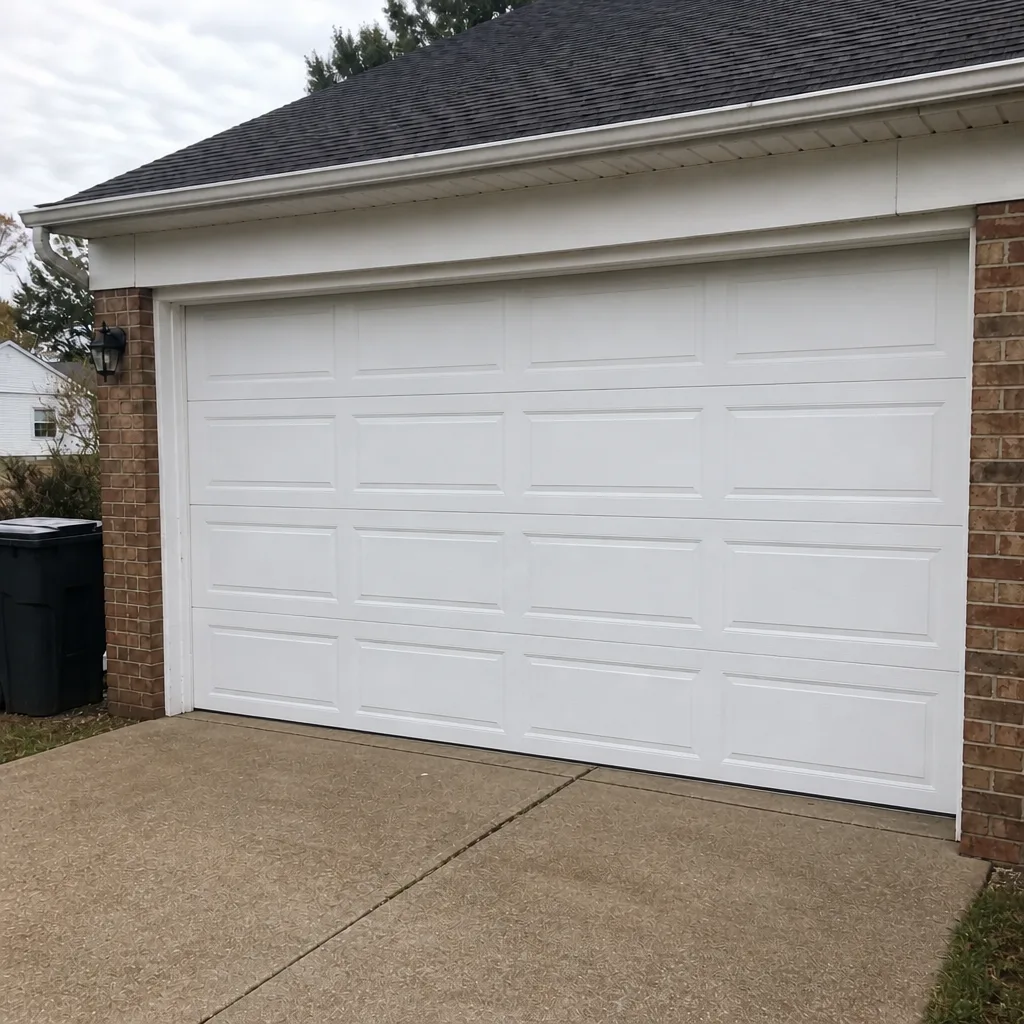 After
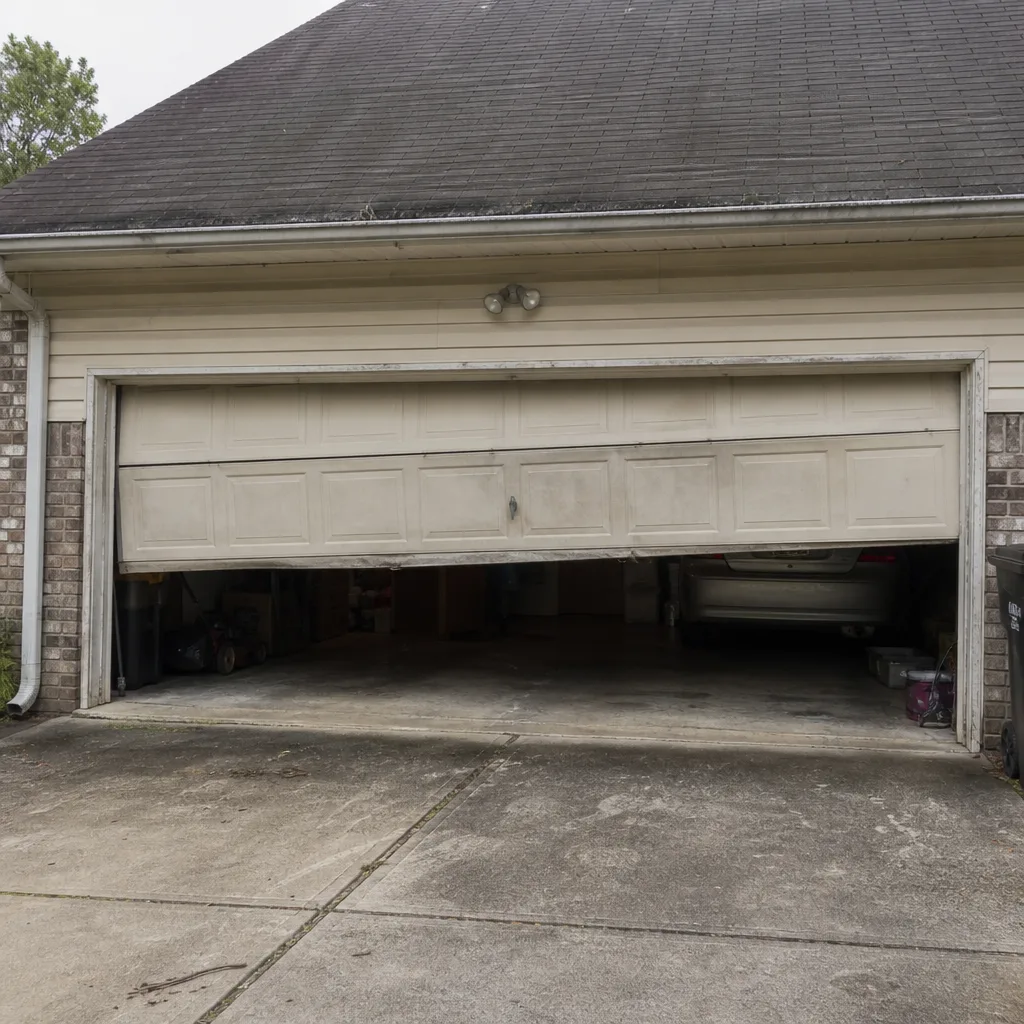 Before
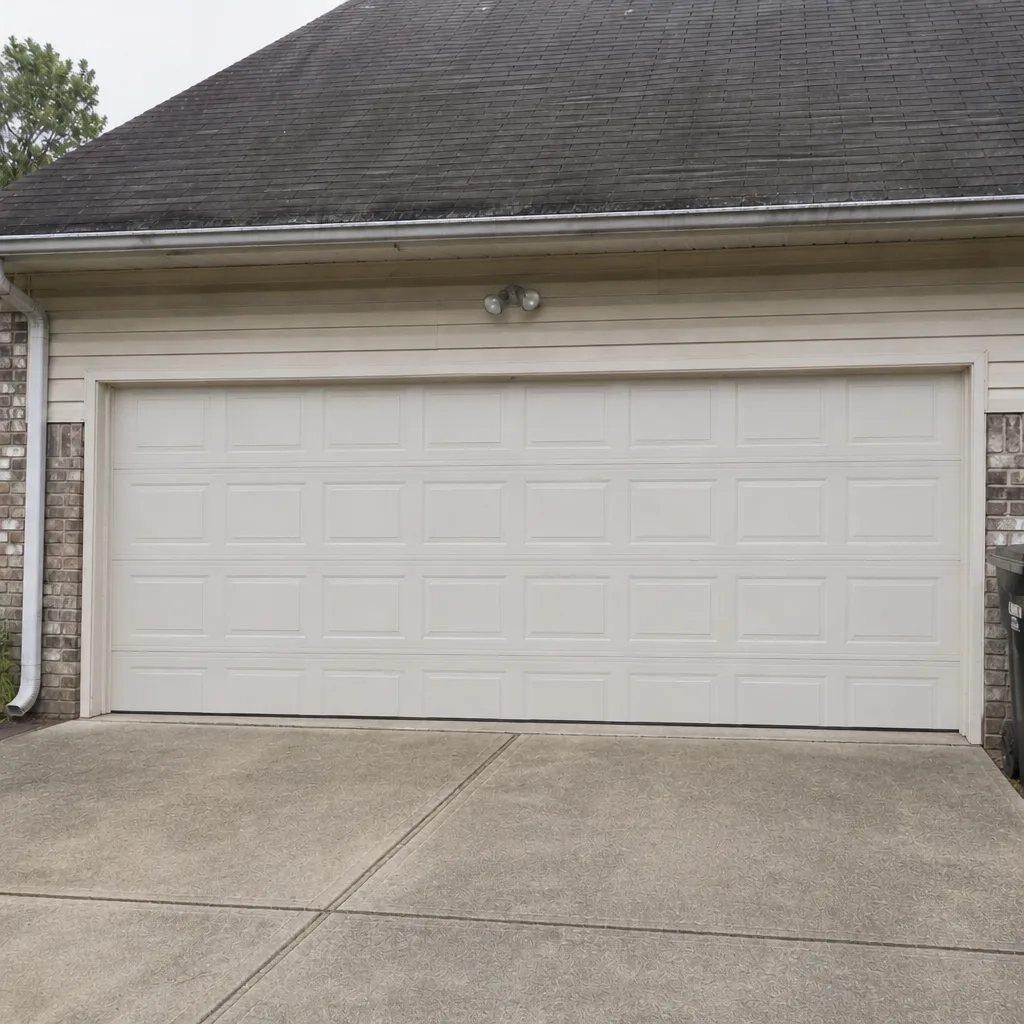 After
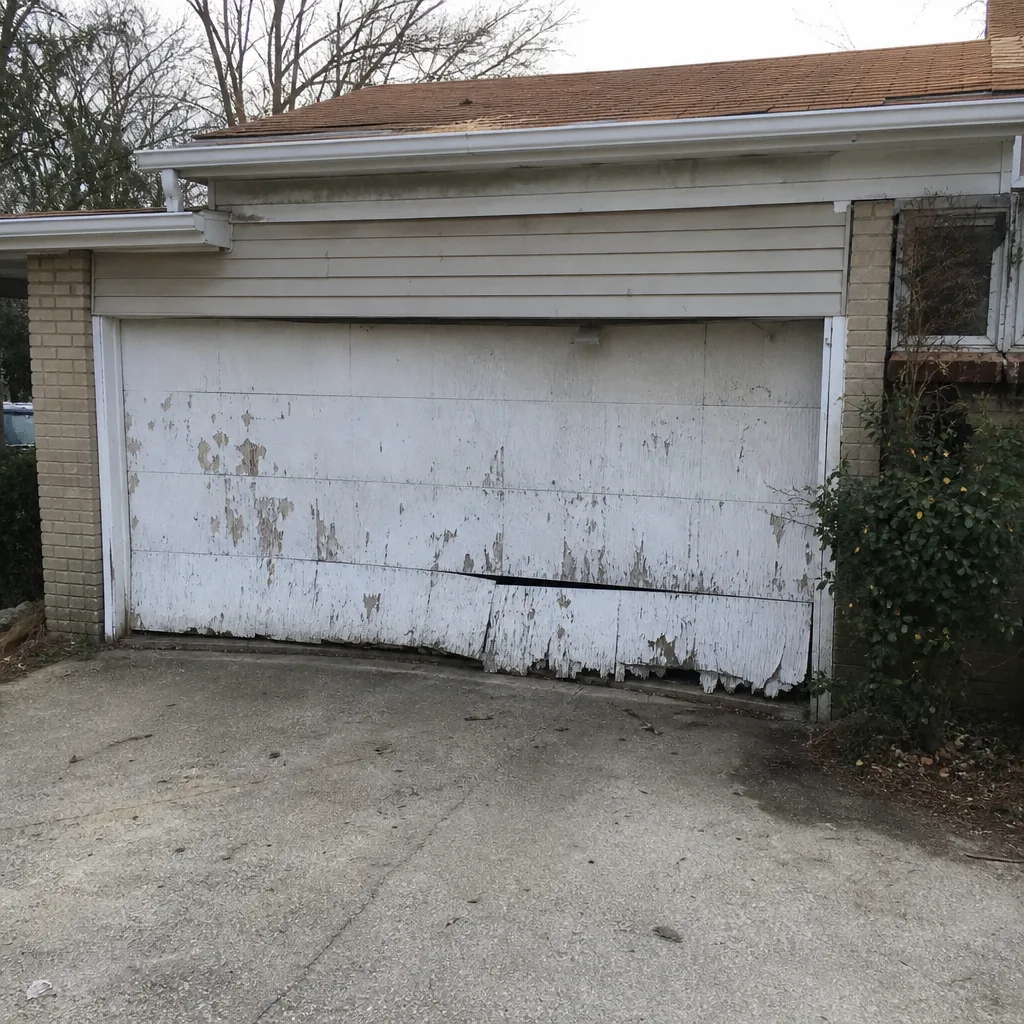 Before
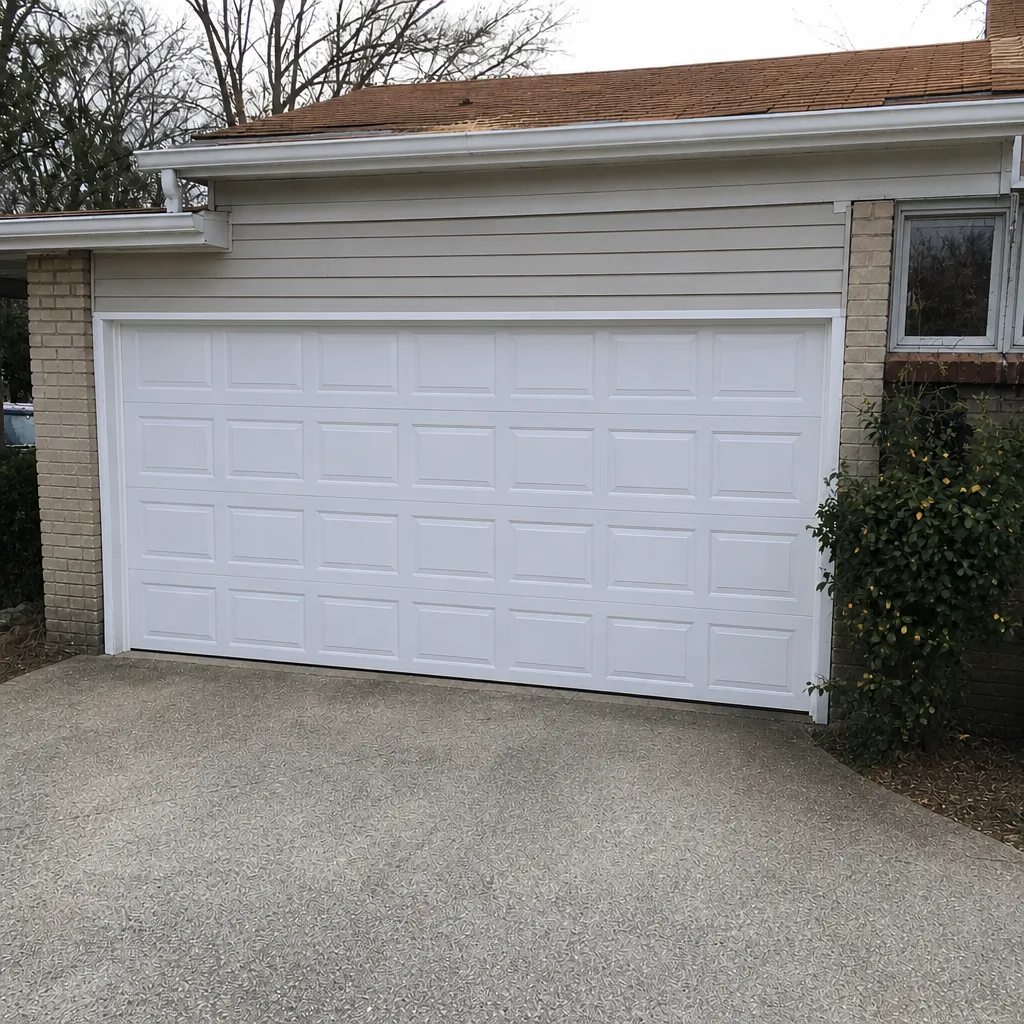 After
Frequently Asked Questions
Most garage door repairs in Kempsville fall into a typical range, with minor fixes on the lower end and full spring or opener replacements higher up. The written estimate you get before any work begins is the price – that’s the only number that matters, and we state it up front. Call (844) 697-8393 for an exact quote – estimates are free.
Yes, emergency garage door service is a real, listed offering, and urgent situations can be booked same-day when available. A door stuck shut blocking your car or leaving the house open is exactly the scenario we prioritize. Call (844) 697-8393 and tell us what’s happening with the door.
No – the price is quoted and agreed before any work starts, and it doesn’t change just because the job turns out to be a certain type. If, once we’re on site, we find something that changes the scope, we tell you before we proceed. There are no surprise add-ons at invoice time. Call (844) 697-8393 for a free estimate.
Yes – the local professional who arrives is vetted, licensed and insured as the state requires, and has the training to handle spring, track and opener work safely. Our technicians have up to 8 years of experience across the major door and opener brands. Call (844) 697-8393 to book.
Repair is usually the right call when the panels and structure are sound and the failure is mechanical – a spring, a cable, a roller or an opener. Replacement makes sense when panels are damaged or the profile can’t be matched. For garage door installation or a full assessment, we’ll tell you which one your door actually is, in plain terms.
We service the major brands, including LiftMaster, Chamberlain, Genie, Clopay, Amarr, Wayne Dalton, Craftsman and Raynor – the brands that were most commonly installed in Kempsville-area homes. If you already own a name-brand system, the technician arrives familiar with that hardware. Whether it’s a garage door opener repair or a spring replacement, one call covers the whole door.
The Bottom Line
Your Kempsville garage door is a mechanical system built to a finite lifespan, and the homes here – many built between 1975 and 1995 – are running hardware that’s often well past its rated stress. The local humidity makes springs, tracks and seals wear faster, so a service rhythm of lubrication, inspection and prompt repair pays for itself. Read the label on your door before you call anyone, know whether you have a single or double bay, and lean on a repair-first approach. Repair the door you have when its structure is sound, replace it only when it isn’t. If you’re not sure which one you’re looking at, get a free estimate and let a trained technician tell you the difference.
The team at Garage Door Repair Kempsville works across the door and opener brands most Kempsville homes already have – LiftMaster, Chamberlain, Genie, Clopay and more – and handles repairs, spring service, installation and opener work in one call. When a door jams or a spring breaks, we can work with your insurer and get the local professional out to make it right. Call (844) 697-8393 for a free estimate.
Written by the team at Garage Door Repair Kempsville.